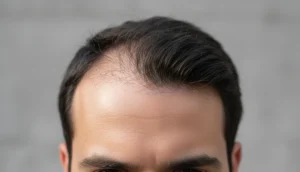
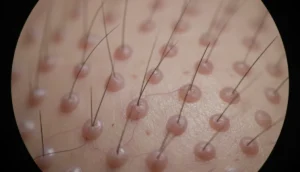
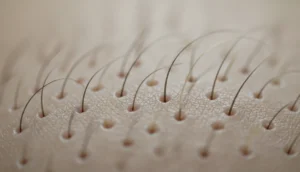
If you’re wondering how to get a fuller hairline, you’re not alone. Millions of men and women notice thinning around the forehead and temples, and the desire for a denser, more defined hairline is growing worldwide. A fuller hairline not only improves appearance but also boosts self‑confidence, which can affect personal and professional interactions.
In this article we’ll explore the science behind hairline recession, practical lifestyle changes, effective non‑surgical treatments, and the latest surgical options such as FUE and DHI transplants. By understanding the root causes and the range of solutions, you can make an informed decision on the best path to achieve a richer hairline.
Recent studies show that up to 40 % of adults experience noticeable hair thinning by age 35, highlighting the importance of early intervention. Whether you’re dealing with a receding hairline, thinning hair, or simply want to thicken the existing strands, the strategies below will guide you toward lasting results.
Understanding Hairline Loss: Causes and Early Signs
Before tackling the question of how to get a fuller hairline, it’s essential to recognize why the hairline recedes in the first place. Genetics, hormonal shifts, and environmental factors all play a role.
Genetic Predisposition
Family history is the most common predictor of a receding hairline. The androgen‑sensitive follicles in the frontal scalp respond to dihydrotestosterone (DHT), leading to gradual miniaturization.
Hormonal Influences
Changes in testosterone levels, thyroid disorders, and stress‑induced cortisol spikes can accelerate hair thinning. Balancing hormones through medical evaluation often slows progression.
External Factors
Frequent heat styling, harsh chemicals, and tight hairstyles cause traction alopecia, which can thin the hairline over time.
- Age‑related follicle shrinkage
- Smoking and poor circulation
- Nutrient deficiencies (iron, zinc, biotin)
| Cause | Typical Impact on Hairline | Early Indicator |
|---|---|---|
| Genetics (male/female pattern) | Gradual recession at temples | Family members with similar patterns |
| Hormonal imbalance | Diffuse thinning, especially at crown | Sudden shedding after stress or illness |
| Environmental stress | Localized thinning along hairline | Breakage after styling or chemical exposure |
Identifying the primary cause early allows you to target treatment more effectively, setting the foundation for a fuller hairline.
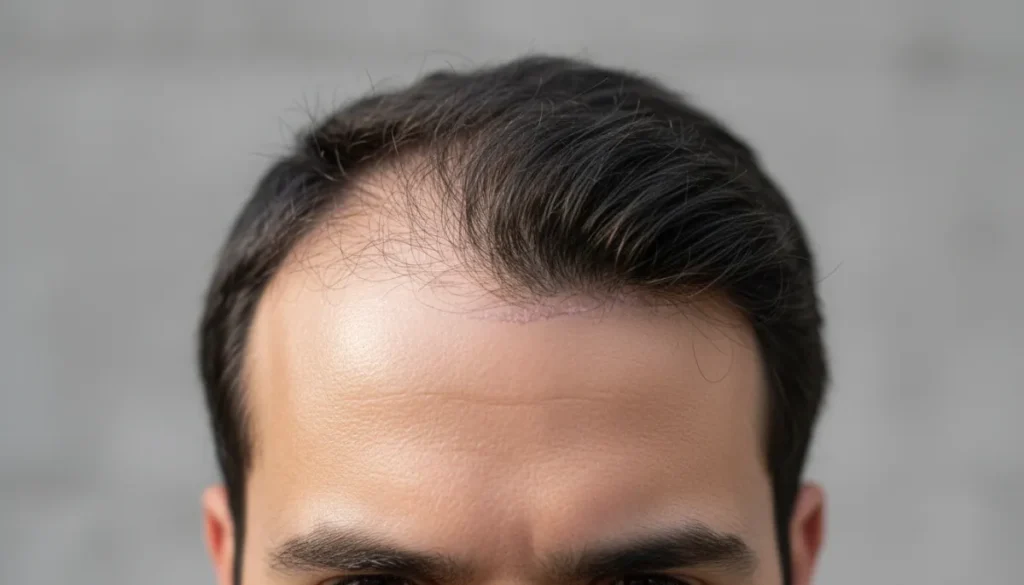
Nutrition and Lifestyle: Building Hair from the Inside Out
One of the most natural ways to answer the question of how to get a fuller hairline is by feeding your body the nutrients it needs for robust hair growth. Diet plays a pivotal role in follicle health, and certain foods can accelerate the hair growth cycle.
Protein‑Rich Foods
Hair is primarily made of keratin, a protein. Consuming adequate protein supports follicle regeneration. Excellent sources include lean poultry, fish, eggs, legumes, and dairy.
Vitamins and Minerals
Biotin, vitamin D, iron, and zinc are essential for hair strength. Deficiencies often manifest as thinning hair or a receding hairline.
- Biotin: Eggs, nuts, whole grains
- Vitamin D: Sunlight exposure, fortified milk
- Iron: Red meat, spinach, lentils
- Zinc: Pumpkin seeds, oysters, chickpeas
Hydration and Scalp Health
Staying hydrated improves blood flow to the scalp, delivering nutrients more efficiently. Aim for at least 2 liters of water daily.
Incorporating these dietary habits can noticeably improve hair density within a few months, especially when combined with other treatments.
Non‑Surgical Treatments: Boosting Density Without Surgery
For many seeking how to get a fuller hairline, non‑surgical options provide a low‑risk, cost‑effective first step. While results vary, consistent use can lead to visible thickening.
Topical Solutions
Minoxidil (2 % for women, 5 % for men) is FDA‑approved to stimulate follicular activity. Applied twice daily, it can increase hair shaft diameter and prolong the growth phase.
Platelet‑Rich Plasma (PRP)
PRP therapy involves injecting concentrated platelets into the scalp to release growth factors. Clinical studies report a 30‑45 % improvement in hair density after three sessions.
Natural Products
Ingredients such as caffeine, saw palmetto, and rosemary oil have demonstrated modest benefits in reducing DHT levels and improving scalp circulation.
- Caffeine shampoos – stimulate follicles
- Saw palmetto supplements – block DHT conversion
- Rosemary oil – enhances microcirculation
When combined with a healthy lifestyle, these treatments can be a practical component of a comprehensive plan to achieve a fuller hairline.
Surgical Options: FUE and DHI Hair Transplant Techniques
When non‑surgical methods are insufficient, many ask how to get a fuller hairline through surgical restoration. Modern transplant techniques such as Follicular Unit Extraction (FUE) and Direct Hair Implantation (DHI) offer precise, natural‑looking results.
FUE (Follicular Unit Extraction)
FUE removes individual follicular units from a donor area (usually the back of the scalp) and implants them into the thinning front zone. The method leaves minimal scarring and allows for a customized hairline design.
DHI (Direct Hair Implantation)
DHI uses a patented implanter pen that places grafts at optimal depth and angle in a single step, reducing handling time and improving graft survival.
| Technique | Key Advantage | Typical Recovery Time |
|---|---|---|
| FUE | High precision, minimal scarring | 7‑10 days for visible healing |
| DHI | Higher graft survival, natural angle | 5‑7 days for visible healing |
Both techniques can add 2,500‑4,000 grafts in a single session, enough to reconstruct a natural‑looking hairline and increase overall density. Choosing the right method depends on your scalp condition, donor hair availability, and aesthetic goals.
Aftercare and Long‑Term Maintenance for a Sustainable Hairline
Regardless of the method you choose, understanding how to get a fuller hairline also means caring for it after treatment. Proper aftercare maximizes graft survival and preserves natural hair health.
Immediate Post‑Procedure Care
Keep the scalp clean, avoid direct sun exposure for two weeks, and follow the surgeon’s medication regimen (often includes antibiotics and anti‑inflammatories).
Long‑Term Hair Care Routine
- Use sulfate‑free shampoos to reduce scalp irritation.
- Massage the scalp gently to stimulate blood flow.
- Continue minoxidil or natural serums if recommended.
- Schedule regular follow‑up appointments to monitor growth.
Lifestyle Adjustments
Maintain a balanced diet, manage stress through exercise or meditation, and avoid smoking, as nicotine constricts blood vessels that feed hair follicles.
By integrating these habits, the results of a transplant or non‑surgical regimen can last many years, giving you a consistently fuller hairline.
Why Choose Gold City Hair for Your Hairline Transformation
Gold City Hair combines cutting‑edge FUE and DHI techniques with a personalized, transparent approach. Since 2017, our experienced team has helped thousands of clients achieve a natural, fuller hairline while maintaining the highest standards of safety and comfort. We tailor each plan to your unique scalp condition, ensuring optimal graft placement and long‑lasting results.
Ready to start your journey toward a fuller hairline? Contact Gold City Hair today to schedule a free, no‑obligation consultation and discover the best solution for your needs.
Take the first step to renewed confidence—your new hairline awaits.
FAQ
What causes a receding hairline?
Genetics, hormonal changes, and environmental stressors are the main drivers of hairline recession.
How can nutrition improve hairline density?
A diet rich in protein, vitamins, and minerals supports follicle health and can thicken the hairline.
What are the best non‑surgical treatments for a fuller hairline?
Topical minoxidil, PRP therapy, and DHT‑blocking natural products are the most effective non‑surgical options.
What is the difference between FUE and DHI hair transplants?
FUE extracts individual grafts with minimal scarring, while DHI uses a pen to implant grafts at optimal depth and angle in a single step.
How should I care for my scalp after a hair transplant?
Keep the scalp clean, avoid sun, use gentle shampoos, and follow post‑procedure medication and massage guidelines.