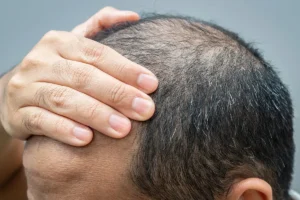
Many people wonder, do hair styling products cause hair loss, and the answer isn’t always straightforward. While styling aids can give you the look you want, certain ingredients, application habits, and scalp conditions may contribute to hair shedding or increased breakage. Understanding the relationship between these products and your hair health is essential, especially if you’ve noticed more hair falling out than usual.
Recent surveys indicate that up to 30% of regular product users experience some form of hair thinning or breakage, prompting a surge in online searches about product‑related hair loss. This article breaks down how styling products interact with your scalp, the warning signs to watch for, and practical steps to enjoy styling without compromising hair health.
We’ll also discuss when it’s time to consult a specialist and how Gold City Hair can help you restore confidence through advanced hair restoration techniques.
How Styling Products Interact With Your Scalp and Hair
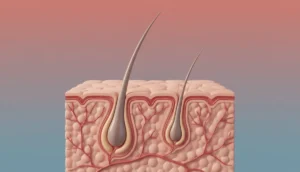
Hair styling products, from gels to mousses, contain a variety of chemicals designed to hold, add volume, or protect hair. While many are safe when used correctly, some ingredients can irritate the scalp or weaken hair shafts, potentially leading to increased shedding.
Common Ingredients and Their Effects
- Alcohol – Often used for quick drying, it can strip natural oils, leaving hair dry and brittle.
- Silicones – Provide shine but may build up on the scalp, blocking pores if not properly cleansed.
- Parabens – Preservatives that can cause irritation in sensitive individuals.
- Fragrances – Can trigger allergic reactions, leading to inflammation and hair loss.
- Polymer Resins – Offer strong hold but may cause hair shaft rigidity, increasing breakage.
Choosing products that balance performance with scalp‑friendly formulas is key to minimizing risk.
| Product Type | Typical Ingredients | Potential Impact on Hair |
|---|---|---|
| Hair Gel | Alcohol, polymers, fragrance | Can dry scalp, cause breakage if over‑applied |
| Mousse | Alcohol, silicone, polymers | Light hold; may dry hair if not rinsed well |
| Hair Spray | Alcohol, polymers, fragrance | Strong hold; residue may clog follicles |
| Leave‑In Conditioner | Silicones, oils, proteins | Adds moisture; low risk of shedding |
Understanding these components helps you make informed choices that protect your hair from unnecessary damage.
Warning Signs That Styling Products May Be Contributing to Hair Shedding
Not all hair loss is caused by genetics or hormonal changes; product misuse can be a hidden culprit. Look for these indicators that your styling routine might be affecting your hair health.
- Increased hair on your pillow or in the shower drain after using a specific product.
- Itchy, flaky scalp that feels tight after applying gels or sprays.
- Visible breakage along the shaft, especially near the ends.
- Hair that feels unusually dry or brittle despite regular conditioning.
- Redness or irritation around the hairline after applying styling aids.
If you notice any of these symptoms, consider rotating or eliminating the suspect product for a few weeks to see if the condition improves. Consistent hair shedding that coincides with product use is a strong clue that the formulation may be too harsh for your scalp.
Best Practices for Using Styling Products Safely
Enjoy the benefits of styling without compromising hair integrity by following these proven habits.
- Read Labels Carefully – Choose products labeled “alcohol‑free,” “paraben‑free,” or “suitable for sensitive scalp.”
- Apply to Dry Hair – Applying heavy products to wet hair can trap moisture, leading to swelling and breakage.
- Use Minimal Amounts – A pea‑sized amount of gel or a light mist of spray is usually sufficient.
- Wash Thoroughly – Ensure all residue is removed with a gentle shampoo; consider a clarifying wash once a week.
- Alternate Products – Rotate between different brands or types to prevent buildup.
- Protect From Heat – Use heat‑protectant sprays before styling with blow‑dryers or straighteners.
| Practice | Why It Matters | Recommended Frequency |
|---|---|---|
| Clarifying Shampoo | Removes buildup of silicones and polymers | Once a week |
| Deep Conditioning | Restores moisture lost from styling | 2–3 times a month |
| Scalp Massage | Improves circulation, reduces irritation | Daily, 2–3 minutes |
Following these steps helps keep your hair strong, reduces the risk of hair thinning, and allows you to continue using your favorite styling aids responsibly.
When to Seek Professional Help for Hair Loss Concerns
If you’ve adjusted your styling habits and still notice persistent hair loss, it may be time to consult a hair restoration specialist. Professional evaluation can determine whether the shedding is due to product irritation, underlying medical conditions, or genetic factors.
Key indicators that you should schedule a consultation include:
- Hair loss that continues for more than three months despite changes in product use.
- Sudden, patchy thinning that doesn’t improve with scalp care.
- Accompanying symptoms such as persistent itching, redness, or scalp sores.
- Family history of alopecia or hormonal imbalances.
At Gold City Hair, our experienced team offers comprehensive assessments, including scalp analysis and personalized treatment plans. Whether you need medical therapy, PRP, or advanced transplant techniques like FUE or DHI, we provide transparent communication and a tailored approach to restore both hair and confidence.
Overlooked Factors That Amplify Product‑Related Hair Loss
Even with the right products, certain habits can magnify the risk of hair loss.
Excessive Heat Styling
Frequent use of flat irons, curling wands, or high‑heat blow‑dryers weakens the hair shaft, making it more vulnerable to breakage caused by styling gels or sprays. Pair heat tools with a high‑quality heat protectant and keep temperatures below 350°F.
Poor Nutrition and Hydration
Hair health reflects overall body health. Insufficient protein, iron, or vitamin D can exacerbate shedding, especially when combined with harsh styling chemicals. A balanced diet supports stronger follicles.
Over‑Washing
Washing hair daily strips natural oils, leaving the scalp dry and more susceptible to irritation from styling products. Aim for 2–3 washes per week, adjusting based on oiliness and activity level.
By addressing these secondary factors, you create an environment where styling products are less likely to trigger hair loss.
Why Choose Gold City Hair
Gold City Hair has been a trusted hair transplant center in Turkey since 2017, offering state‑of‑the‑art techniques such as FUE, DHI, and eyebrow/beard transplants. Our team prioritizes personalized care, transparent communication, and natural‑looking results. Whether you’re dealing with product‑related shedding or more extensive hair loss, we combine expertise with advanced technology to help you regain confidence.
Ready to stop worrying about hair loss and start seeing real results? Contact Gold City Hair today to schedule a free, no‑obligation consultation and discover the best solution for your unique needs.
FAQ
Can hair styling products cause hair loss?
Yes, certain ingredients and misuse can contribute to shedding or breakage.
What ingredients in styling products are most likely to irritate the scalp?
Alcohol, silicones, parabens, strong fragrances, and polymer resins are common irritants.
How can I tell if a product is causing my hair to shed?
Look for increased hair on pillows, scalp itching, dryness, or breakage after using a specific product.
What are the best practices for using styling products safely?
Read labels, use minimal amounts, apply to dry hair, wash thoroughly, rotate products, and protect from heat.
When should I see a professional for hair loss related to styling products?
If shedding persists for more than three months despite product changes or you notice patchy thinning, seek a specialist.
How does heat styling affect product‑related hair loss?
Heat weakens hair shafts, making them more vulnerable to breakage from styling chemicals.