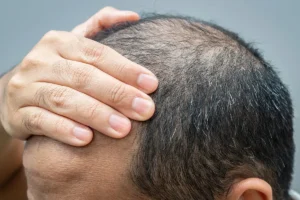
One of the most common questions is, does hair transplant hair grow after the procedure, and many prospective patients wonder if the new follicles will truly become permanent. Understanding the biology behind graft survival, the timeline of visible results, and the variables that influence success is essential for anyone considering a hair restoration journey.
Hair loss affects millions worldwide, yet modern techniques such as FUE and DHI have transformed the outlook for those seeking a natural‑looking solution. In this article we’ll explore how transplanted hair actually grows, what you can expect during the recovery phase, and how to maximize the longevity of your results.
We’ll also address common myths—like the belief that hair plugs are still the standard—or concerns about whether the donor area will regrow hair. By the end, you’ll have a clear, evidence‑based picture of the entire process, empowering you to make an informed decision.
Understanding the Biology of Hair Transplant Growth
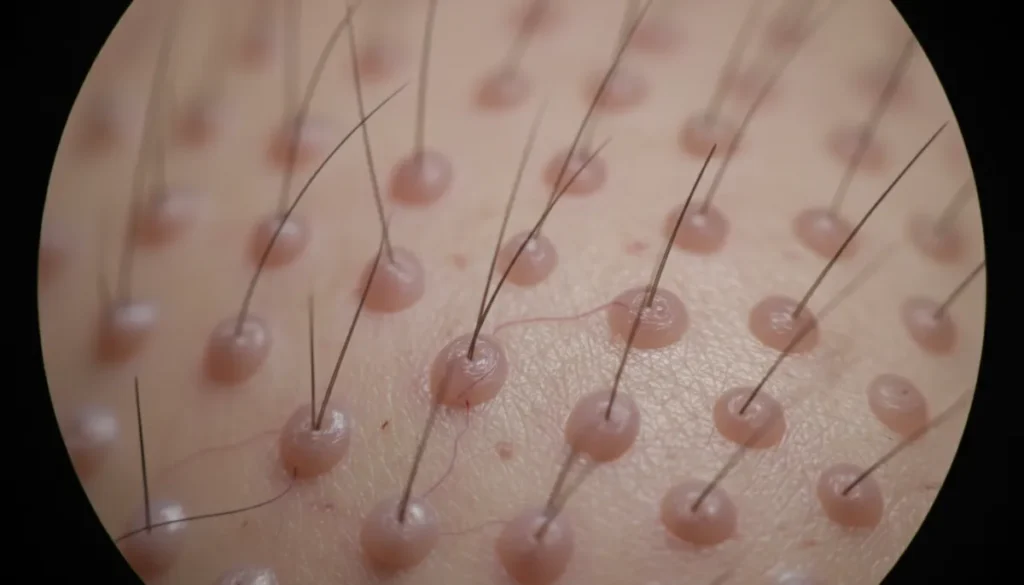
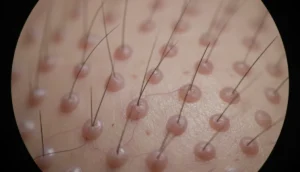
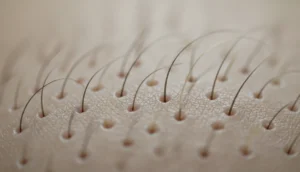
When a surgeon extracts grafts from the donor area—usually the back of the head—they preserve the hair follicle’s root, which contains the necessary cells to produce new hair shafts. These grafts are then implanted into the thinning or balding zones, where they establish a new blood supply.
Why Grafts Survive
Survival hinges on two critical factors: adequate vascularization and minimal trauma during extraction. Techniques like Follicular Unit Extraction (FUE) and Direct Hair Implantation (DHI) are designed to keep the follicle’s surrounding tissue intact, reducing shock loss and promoting rapid re‑vascularization.
Hair Cycle Reset
After implantation, each follicle enters a resting phase (telogen) that typically lasts 2–3 weeks. This is why patients often notice shedding of the transplanted hairs before new growth begins. Once the follicles shift back to the growth phase (anagen), they start producing visible strands.
| Phase | Duration | What Happens |
|---|---|---|
| Telogen (Rest) | 2‑3 weeks | Shedding of transplanted hairs, preparation for new growth. |
| Anagen (Growth) | 3‑6 months onward | New hair shafts emerge, gradually thickening over time. |
| Exogen (Shedding) | Variable | Natural shedding of old hairs, replaced by new growth. |
Because the transplanted follicles retain their original genetic programming, they continue to behave like hair from the donor zone. This means that once they establish a blood supply, they will keep growing for a lifetime, answering the core query: does hair transplant hair grow permanently? The answer is yes—provided the procedure is performed correctly and post‑operative care is followed.
Key Factors That Influence Growth Success
Not every transplant yields identical outcomes. Several variables determine how well the grafts take and how robust the new hair will be.
Technique Selection
- FUE (Follicular Unit Extraction) – Individual follicles are harvested, minimizing scarring and allowing precise placement.
- DHI (Direct Hair Implantation) – Uses a pen‑like device to insert grafts directly, reducing handling time.
- Traditional strip surgery – Removes a strip of scalp; still effective but involves linear scarring.
Donor Hair Quality
The density and health of hair in the donor region are paramount. Men with robust, thick hair at the back of the scalp typically experience higher graft survival rates. Women may benefit from eyebrow or beard transplants where donor hair matches the target area’s texture.
After‑Care Protocol
Proper post‑operative instructions—such as gentle washing, avoiding direct sun exposure, and using prescribed medications—significantly affect outcomes. Patients who adhere to the regimen often report faster growth and less follicular shock.
Patient‑Specific Factors
- Age – Younger patients may have faster healing, but older individuals still achieve excellent results with proper care.
- Smoking – Nicotine constricts blood vessels, reducing graft nourishment.
- Medical conditions – Hormonal imbalances or autoimmune disorders can impact hair growth cycles.
By evaluating these elements before surgery, surgeons can set realistic expectations and tailor the plan to maximize the answer to the primary query.
Timeline: When to Expect New Hair Growth
Patience is a virtue in hair restoration. While the answer to does hair transplant hair grow is affirmative, the visible results unfold over several months.
First 2 Weeks – Healing Phase
The scalp may appear red and mildly swollen. Small scabs form around each graft, which naturally fall off within 7‑10 days. Shedding of transplanted hairs is common and should not be alarming.
Weeks 3‑8 – Early Growth
New hair shafts begin to emerge, often appearing as fine, peach‑fuzz hairs. At this stage, the density is low, but the foundation is being laid.
Months 3‑6 – Visible Thickening
Hair becomes noticeably thicker and longer. Patients typically start seeing a marked improvement in coverage, especially in the frontal and mid‑scalp areas.
Months 9‑12 – Full Maturation
Most grafts have entered the mature anagen phase, delivering a natural look. Final density and texture may continue to improve up to 18 months, depending on individual factors.
Understanding this timeline helps set realistic expectations and reduces anxiety during the waiting period.
Common Myths and Misconceptions
Even with abundant information, many myths persist, often clouding the decision‑making process.
Myth 1: Hair Plugs Are Still Standard
Older “hair plug” techniques involved large grafts that produced an unnatural, “doll‑like” appearance. Modern hair transplant methods use follicular units containing 1‑4 hairs, delivering a natural density and direction.
Myth 2: The Donor Area Never Grows Back
After extracting follicles, the donor scalp typically does not regrow new hair in the exact same spot, because the follicles are permanently removed. However, the surrounding hair can often be rearranged to conceal any minor thinning, especially when using FUE or DHI.
Myth 3: Transplanted Hair Grows Instantly
Patience is required. As outlined in the timeline, visible growth starts around the 3‑month mark. Expect a gradual increase rather than an overnight transformation.
Myth 4: Only Men Benefit from Transplants
Women experiencing diffuse thinning can also achieve natural results, particularly with techniques that address the frontal hairline or use eyebrow and beard transplants for aesthetic balance.
Dispelling these myths reinforces the realistic answer to the central question and guides patients toward evidence‑based expectations.
Post‑Procedure Care and Long‑Term Maintenance
Successful outcomes rely not only on surgical skill but also on diligent after‑care.
Immediate Post‑Op Routine
- Keep the scalp clean with a prescribed gentle shampoo starting 48 hours post‑surgery.
- Avoid touching or scratching the graft sites.
- Sleep with the head elevated for the first few nights to reduce swelling.
Medication and Supplements
Doctors may prescribe anti‑inflammatory medication, antibiotics, and sometimes finasteride or minoxidil to support existing hair and enhance graft survival.
Lifestyle Adjustments
- Refrain from intense exercise or heavy lifting for 2‑3 weeks.
- Protect the scalp from direct sunlight using a loose hat or sunscreen (SPF 30+) for the first month.
- Maintain a balanced diet rich in proteins, vitamins (especially B‑complex and biotin), and minerals.
Long‑Term Maintenance
Regular follow‑up appointments allow the surgeon to monitor progress and address any concerns. If future hair loss occurs, supplemental treatments or a secondary transplant can be planned.
By adhering to these guidelines, patients reinforce the natural growth cycle of transplanted hair, ensuring that the answer to does hair transplant hair grow remains a confident “yes” for years to come.
Why Choose Gold City Hair
Gold City Hair has been delivering personalized hair restoration solutions in Turkey since 2017. Our clinic specializes in advanced FUE and DHI techniques, as well as eyebrow and beard transplants, ensuring each patient receives a treatment plan tailored to their unique needs. We prioritize transparent communication, state‑of‑the‑art facilities, and a dedicated medical team that guides you from consultation through long‑term after‑care. Trust a proven partner to help you regain confidence with natural‑looking, lasting results.
Ready to see how your hair can grow and thrive after a transplant? Contact Gold City Hair today to schedule a personalized consultation and take the first step toward a fuller, more confident you.
FAQ
Does hair transplant hair grow permanently?
Yes, transplanted follicles continue to grow for a lifetime if the procedure and after‑care are done correctly.
What is the typical timeline for hair growth after a transplant?
Visible growth usually starts around 3 months, with full maturation by 12‑18 months.
Which hair transplant technique offers the best graft survival?
Both FUE and DHI are designed to maximize graft survival, with DHI offering slightly less handling time.
What post‑operative care steps are essential for optimal growth?
Gentle shampooing, avoiding sun, keeping the scalp elevated, and following medication protocols are key.
Can the donor area regrow hair after extraction?
No, the exact follicles removed do not regrow, but surrounding hair can be rearranged to mask any thinning.
What are common myths about hair transplants?
Myths include the belief that hair plugs are still standard, that transplanted hair grows instantly, and that only men benefit.