When you hear the term laser hair loss therapy, you might picture high‑tech devices or futuristic clinics, but the reality is both approachable and evidence‑based. This article explains how laser technology can help restore thinning hair, what results you can realistically expect, and how it fits into a broader hair‑restoration plan.
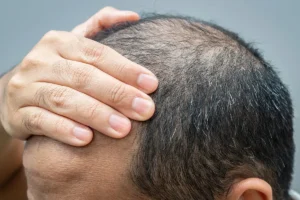
Hair loss affects up to 40 % of men and women by age 35, and many seek non‑surgical options before considering a transplant. Low‑level laser therapy (LLLT) has emerged as a popular choice because it is painless, requires minimal downtime, and can be used at home or in a clinic.
We’ll explore the science behind laser stimulation, compare device types, discuss safety, and outline how you can combine laser treatment with proven methods such as medication, PRP, or surgical transplantation. By the end, you’ll have a clear roadmap for deciding whether laser therapy is right for you.
How Laser Therapy Works for Hair Regrowth
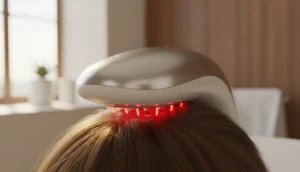
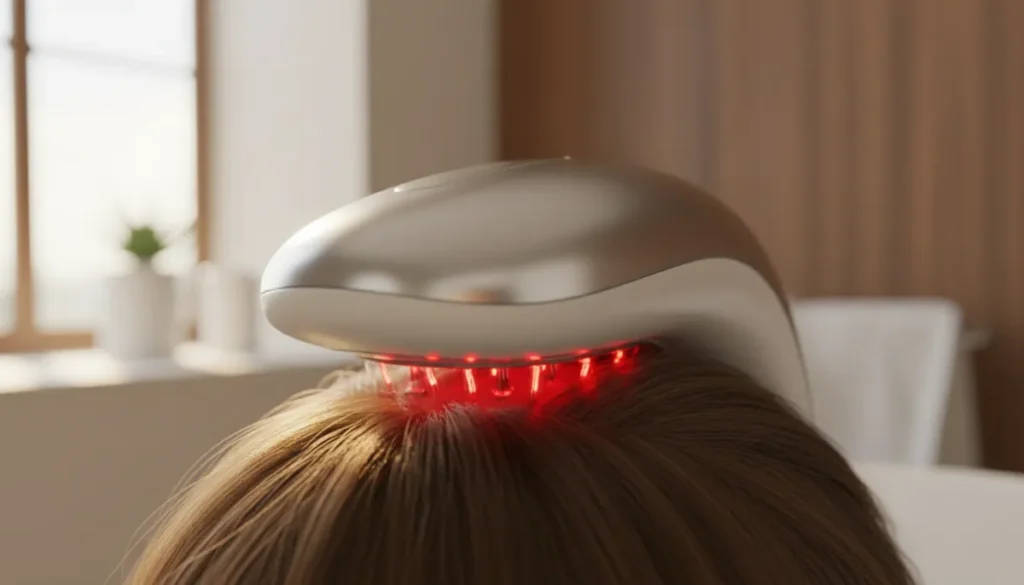
Low‑level laser therapy operates on the principle of photobiomodulation, where specific wavelengths of light—usually in the red or near‑infrared spectrum—penetrate the scalp and stimulate cellular activity. The photons are absorbed by mitochondria, the energy factories of cells, leading to increased adenosine triphosphate (ATP) production. More ATP means hair‑follicle cells can work more efficiently, extending the anagen (growth) phase and reducing inflammation that often triggers shedding.
Clinical studies have shown that regular sessions, typically three times per week for 12–24 weeks, can increase hair density by 10‑30 %. While results vary, the mechanism is consistent: improved blood flow, enhanced nutrient delivery, and activation of stem cells within the follicle bulge region.
- Wavelength: 630‑670 nm (red) or 800‑850 nm (near‑infrared) for optimal penetration.
- Energy density: 4‑5 J/cm² per session is the range most often cited in research.
- Session length: 15‑30 minutes, depending on device power.
Because the process is non‑invasive, it can be safely combined with other hair loss treatments, such as finasteride, minoxidil, or platelet‑rich plasma (PRP) injections.
Benefits and Limitations of Low‑Level Laser Devices
When evaluating laser hair loss options, it’s essential to weigh the advantages against realistic expectations. The primary benefits include:
- Non‑invasive: No incisions, anesthesia, or recovery period.
- Convenient: Devices range from in‑clinic caps to at‑home combs and helmets.
- Low risk: Side effects are rare, usually limited to mild scalp irritation.
- Complementary: Works well alongside medications like finasteride or topical minoxidil.
However, limitations exist. Laser therapy does not create new follicles; it revitalizes existing ones. Individuals with extensive baldness (Norwood 5‑7) may see modest thickening but often require surgical transplantation for full coverage. Results also depend on consistent use; sporadic sessions diminish efficacy.
| Aspect | Strength | Consideration |
|---|---|---|
| Effectiveness | Clinically supported for mild‑to‑moderate thinning | Less impact on advanced balding |
| Safety | Minimal adverse events | Not suitable for photosensitive conditions without medical advice |
| Cost | Varies: $200‑$3,000 depending on device | Long‑term commitment may increase total expense |
Understanding these factors helps you set realistic goals and decide whether laser therapy aligns with your overall hair‑restoration strategy.
Comparing Laser Caps, Combs, and Clinical Treatments
Laser devices come in three main formats: caps (or helmets), combs/brushes, and professional in‑clinic systems. Each has distinct features that affect usability, cost, and outcomes.
Laser Caps and Helmets
Caps provide full‑scalp coverage, delivering uniform light across the entire head. They are typically used for 15‑30 minutes per session and are ideal for users with diffuse thinning. The hands‑free design makes them convenient for multitasking.
Laser Combs and Brushes
Combs target specific areas, allowing users to focus on receding hairlines or balding patches. Sessions may last longer (up to 10 minutes per pass) because the device must be moved across the scalp. This format can be more cost‑effective but requires manual precision.
Professional In‑Clinic Systems
Clinics often use larger panels or stationary caps that deliver higher energy densities under supervision. These sessions may be shorter (5‑10 minutes) but are performed by trained staff, ensuring optimal positioning and safety.
- Price range: Home caps $300‑$1,200; combs $200‑$600; clinic sessions $50‑$150 per visit.
- Time commitment: Home devices require daily or thrice‑weekly use; clinic visits are periodic.
- Effectiveness: Clinical systems may offer slightly higher results due to higher power output.
Choosing the right format depends on your budget, lifestyle, and the pattern of hair loss you’re addressing.
Integrating Laser Treatment with Other Hair Restoration Options
Laser therapy does not have to stand alone. Many patients achieve the best outcomes by combining it with proven medical and surgical approaches.
Medication Synergy
Finasteride and minoxidil remain the gold standard for androgen‑related hair loss. When used alongside laser sessions, studies suggest a synergistic effect, accelerating follicle re‑entry into the growth phase.
Platelet‑Rich Plasma (PRP)
PRP injections deliver concentrated growth factors directly to the scalp. Pairing PRP with regular laser therapy can enhance vascularization and stem‑cell activation, leading to denser regrowth.
Surgical Transplant Compatibility
For advanced balding, hair transplantation (FUE or DHI) offers permanent restoration. Post‑operative laser therapy can improve graft survival, reduce inflammation, and speed up healing, making it a valuable adjunct.
| Combination | Benefit | Typical Protocol |
|---|---|---|
| Laser + Finasteride | Enhanced follicle longevity | Laser 3×/week, finasteride daily |
| Laser + PRP | Improved graft uptake | PRP monthly, laser 3×/week |
| Laser post‑transplant | Faster healing, reduced scarring | Laser 2×/week for 6‑8 weeks |
By integrating laser therapy into a comprehensive plan, you can maximize density, speed up results, and maintain long‑term scalp health.
Safety Considerations and Common Misconceptions
While laser hair loss therapy is generally safe, understanding potential risks and myths helps you make an informed decision.
Safety Profile
Low‑level lasers emit non‑ionizing radiation, which does not damage DNA. The most common side effect is mild scalp warmth or tingling, which typically resolves after a few sessions. Individuals with epilepsy, active skin infections, or photosensitivity should consult a physician before starting.
Myth: Laser Causes Hair Loss
Some users mistakenly believe that improper use can worsen shedding. In reality, the initial increase in hair fall often reflects telogen hairs being pushed out to make way for new growth—a normal part of the remodeling process.
Myth: One‑Time Treatment Is Sufficient
Consistent, long‑term use is key. Most protocols recommend at least six months of regular sessions before evaluating final results. Stopping prematurely can halt progress and lead to regression.
- Do not use devices on open wounds or irritated skin.
- Do follow manufacturer guidelines for session length and frequency.
- Do combine with a balanced diet and scalp care routine.
By adhering to safety recommendations and setting realistic expectations, you can enjoy the benefits of laser therapy with confidence.
Why Choose Gold City Hair
Gold City Hair has been a trusted hair‑restoration center in Turkey since 2017, offering personalized care and transparent communication. Our team combines surgical expertise in FUE and DHI with advanced non‑surgical options, including low‑level laser therapy, to create customized treatment plans that match each patient’s unique needs. By choosing us, you benefit from state‑of‑the‑art facilities, experienced clinicians, and a commitment to delivering natural, lasting results.
Ready to explore how laser therapy can revitalize your hair? Contact Gold City Hair today for a personalized consultation and take the first step toward renewed confidence.
FAQ
How does low‑level laser therapy stimulate hair growth?
It uses red or near‑infrared light to boost cellular energy in hair‑follicle cells, extending the growth phase and reducing inflammation.
What are the main benefits of using laser caps versus laser combs?
Caps treat the entire scalp hands‑free, while combs target specific thinning areas with more precise application.
Can laser therapy be combined with medication like finasteride or minoxidil?
Yes, combining LLLT with finasteride or minoxidil can produce synergistic effects and faster results.
Is low‑level laser therapy safe for everyone?
It is generally safe, but people with epilepsy, photosensitivity, or open scalp wounds should consult a physician first.
How long does it take to see results from laser hair loss treatment?
Most patients notice visible improvement after 12‑24 weeks of consistent use.
Can laser therapy improve the results of a hair transplant?
Yes, post‑operative laser treatment can enhance graft survival, reduce inflammation, and speed healing.