Post menopausal hair loss is a common concern for many women as they transition through the later stages of life. The hormonal shifts that accompany menopause can trigger a noticeable thinning of the scalp, leading to both physical and emotional challenges. In this article we will examine the underlying causes, identify the early warning signs, and outline a range of treatment options—from topical medications to state‑of‑the‑art hair transplant procedures.
According to recent dermatology studies, up to 40% of women experience some degree of hair thinning after menopause, making it one of the most prevalent age‑related cosmetic issues. Understanding the science behind this change helps women take proactive steps toward preserving their hair density and confidence.
We will also discuss lifestyle adjustments, nutritional support, and the role of professional clinics in delivering personalized solutions. Whether you are just noticing subtle shedding or confronting more extensive thinning, the information below will guide you toward effective, evidence‑based strategies.
What Triggers Post Menopausal Hair Loss?
The primary driver of post menopausal hair loss is the decline in estrogen and progesterone levels that occurs when ovarian function wanes. These hormones normally prolong the growth phase of hair follicles; their reduction shortens the anagen (growth) stage and accelerates the transition to the telogen (resting) phase.
Additional factors that amplify hair shedding include:
- Genetic predisposition to female pattern hair loss
- Underlying thyroid disorders or iron deficiency
- Stress and poor sleep quality
- Use of certain medications, such as anticoagulants or antidepressants
- Autoimmune conditions like alopecia areata
Below is a concise table summarizing the most common contributors and their typical impact on hair density.
| Factor | Impact on Hair | Typical Onset |
|---|---|---|
| Hormonal decline (estrogen, progesterone) | Shortens growth phase, increases shedding | 6–12 months after menopause onset |
| Thyroid imbalance | Diffuse thinning, brittle strands | Variable, often concurrent with other symptoms |
| Iron deficiency | Hair breakage, slowed regrowth | Months of inadequate dietary intake |
| Stress (cortisol elevation) | Telogen effluvium, rapid shedding | Following major life events or chronic stress |
How to Identify Early Signs and Diagnose the Condition
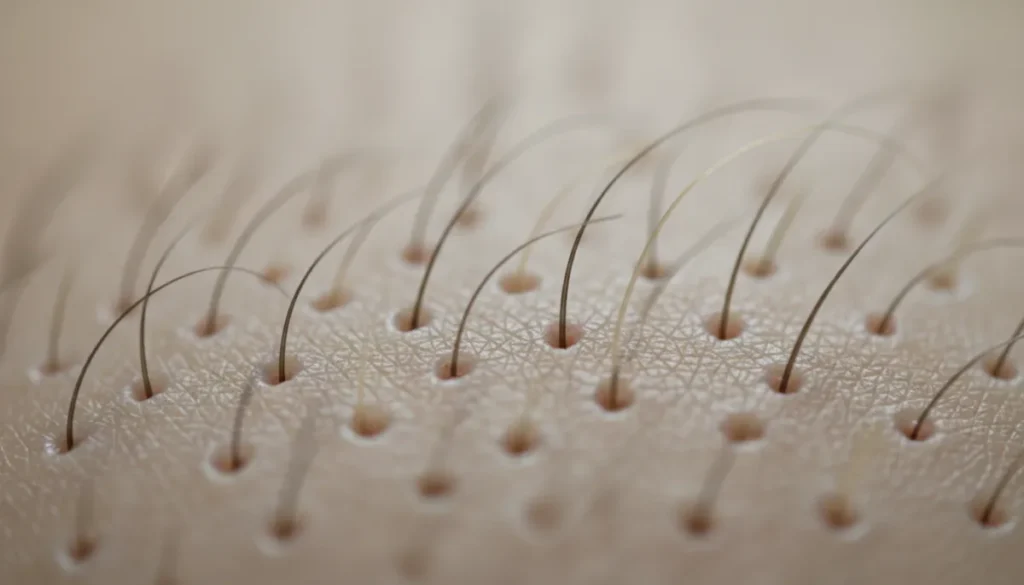
Detecting post menopausal hair loss early can prevent further thinning and open the door to timely interventions. Women should monitor the following visual cues:
- Increased hair shedding when brushing or washing
- Widening part lines or a more visible scalp
- Overall reduction in hair volume, especially on the crown
- Fine, silky texture replacing previously thick strands
Dermatologists typically employ a combination of clinical examination and diagnostic tests to confirm the diagnosis. Common tools include:
- Trichoscopy – a dermatoscopic view of the scalp to assess follicle health
- Blood panels – checking thyroid hormones, ferritin, vitamin D, and hormone levels
- Scalp biopsy – reserved for ambiguous cases or suspected scarring alopecia
Below is a quick reference chart for self‑assessment versus professional evaluation.
| Observation | Self‑Check Frequency | Professional Follow‑Up |
|---|---|---|
| Hair strands on pillow or drain | Daily | If >100 strands per day, schedule visit |
| Visible scalp in part line | Weekly visual check | Consult if widening exceeds 1 cm |
| Texture change (thin vs thick) | Monthly feel test | Dermatology appointment for trichoscopy |
Medical Treatments: Topical, Oral, and Hormonal Options
When addressing post menopausal hair loss, clinicians first consider non‑surgical approaches that target the underlying hormonal and nutritional imbalances.
Topical Agents
Minoxidil (Rogaine) remains the most widely studied topical solution for female hair thinning. A 5% concentration applied twice daily can extend the anagen phase and improve follicular size. Women should be aware of potential scalp irritation and the need for continuous use to maintain results.
Oral Medications
Finasteride, traditionally used for male pattern baldness, is occasionally prescribed off‑label for women with severe androgenetic alopecia, though its use is limited by potential side effects. Low‑dose oral spironolactone, an anti‑androgen, can reduce scalp DHT levels and is often well tolerated.
Hormone Replacement Therapy (HRT)
Estrogen‑based HRT can mitigate the rapid hair shedding associated with menopause by replenishing the hormone that supports follicle longevity. However, HRT suitability depends on individual health profiles, and patients must discuss risks with their physician.
Key points to consider when selecting a medical regimen:
- Confirm underlying deficiencies (iron, vitamin D) and correct them
- Assess potential drug interactions with existing medications
- Set realistic expectations—most topical and oral treatments require 3–6 months for noticeable improvement
Surgical Solutions: FUE, DHI, and Advanced Transplant Techniques for Women
For women whose post menopausal hair loss has progressed beyond the capacity of medical therapies, surgical restoration offers a permanent solution. Gold City Hair specializes in minimally invasive procedures such as Follicular Unit Extraction (FUE) and Direct Hair Implantation (DHI), both of which yield natural‑looking density with minimal scarring.
FUE (Follicular Unit Extraction)
FUE involves harvesting individual follicular units from a donor area—typically the back of the scalp—and implanting them into the thinning zone. The technique provides precise control over graft placement, making it ideal for recreating the female hairline.
DHI (Direct Hair Implantation)
DHI uses a patented implantation pen that places grafts at a consistent depth and angle, reducing handling time and improving graft survival. This method is especially effective for women seeking a quick recovery and high graft retention.
Eyebrow and Beard Transplants
While less common, some post‑menopausal patients opt for eyebrow or subtle beard transplants to restore facial symmetry after hair loss. These procedures also employ FUE or DHI techniques tailored to the finer hair characteristics of facial areas.
Typical outcomes for female patients include:
- 15–30% increase in hair density after a single session
- Natural hair growth direction that blends with existing strands
- Minimal downtime—most patients resume normal activities within a week
Lifestyle, Nutrition, and Home Care Strategies
Complementary to medical and surgical interventions, daily habits play a crucial role in sustaining hair health for women experiencing post menopausal hair loss. Simple adjustments can reinforce follicle resilience and improve overall scalp condition.
Nutrition Essentials
Hair is primarily composed of keratin, a protein that requires adequate intake of amino acids, iron, zinc, and biotin. Incorporate foods such as lean poultry, legumes, nuts, leafy greens, and whole grains. A daily supplement containing 500 µg of biotin and 18 mg of iron can be beneficial, provided it aligns with a physician’s recommendation.
Scalp Care Routine
Gentle cleansing with sulfate‑free shampoos reduces irritation. Periodic scalp massage, using fingertips in circular motions for 5 minutes, stimulates blood flow and may enhance nutrient delivery to follicles.
Stress Management
Chronic stress elevates cortisol, which can exacerbate telogen effluvium. Practices such as yoga, meditation, or regular aerobic exercise help lower stress hormones and support hair regrowth.
Summary of actionable home‑care tips:
- Eat a balanced diet rich in protein, iron, and omega‑3 fatty acids
- Stay hydrated—aim for at least 2 L of water per day
- Limit heat styling and harsh chemical treatments
- Protect hair from UV exposure with hats or gentle sunscreen sprays
- Schedule regular check‑ups to monitor hormonal levels
Why Choose Gold City Hair
Gold City Hair combines cutting‑edge transplant technologies with a patient‑focused approach that has been refined since 2017. Our expert team tailors each treatment—whether FUE, DHI, or eyebrow restoration—to the unique needs of women dealing with post menopausal hair loss. Transparent communication, meticulous planning, and a commitment to natural results ensure that every client regains confidence and a fuller, healthier appearance.
Take the first step toward reclaiming your hair and confidence. Contact Gold City Hair today to schedule a personalized consultation and discover the best solution for your post menopausal hair loss journey.
FAQ
What causes post menopausal hair loss?
The main cause is the decline in estrogen and progesterone after menopause, which shortens the hair growth phase.
How can I diagnose post menopausal hair loss early?
Monitor shedding patterns, widening part lines, and texture changes, then see a dermatologist for trichoscopy and blood tests.
What medical treatments are effective for post menopausal hair loss?
Topical minoxidil, oral anti‑androgens like spironolactone, and hormone replacement therapy are common options.
Are hair transplant procedures safe for women after menopause?
Yes, modern FUE and DHI techniques are safe and provide natural‑looking density with minimal scarring.
Which nutrients support hair health during menopause?
Protein, iron, zinc, biotin, and omega‑3 fatty acids are key for strong hair growth.
How does stress affect hair loss after menopause?
Chronic stress raises cortisol, triggering telogen effluvium and rapid shedding.