The alopecia workup is the first critical step for anyone experiencing unexpected hair loss. Understanding why your hair is thinning, shedding, or balding enables targeted hair loss treatment and informed decisions about possible restoration procedures. In this guide we will walk you through every phase of the evaluation—what you can expect during your initial consultation, the laboratory tests that clarify the underlying cause, and how the results shape a personalized treatment plan.
According to recent dermatology surveys, nearly 40 % of adults will notice some degree of hair thinning by age 35, yet many delay seeking professional help. Early detection through a thorough workup can differentiate between temporary shedding and progressive conditions such as androgenetic alopecia or alopecia areata. This article explains the diagnostic tools, interpretation of findings, and next‑step options, empowering you to take control of your hair health.
Whether you are considering medical therapy, topical solutions, or a surgical approach like hair transplant, a comprehensive evaluation ensures that the chosen method aligns with your specific diagnosis and lifestyle. Let’s explore each component of the alopecia workup in detail.
Understanding Alopecia: Types and Causes
Hair loss is not a one‑size‑fits‑all condition. The term “alopecia” encompasses a spectrum of disorders, each with distinct triggers and patterns. Recognizing the type you are dealing with is essential for selecting the most effective intervention.
- Androgenetic alopecia – often called male or female pattern baldness; linked to genetics and hormonal factors.
- Alopecia areata – an autoimmune condition causing round patches of hair loss.
- Telogen effluvium – temporary shedding due to stress, illness, or medication.
- Scarring alopecia – permanent loss caused by inflammation that destroys hair follicles.
| Type | Typical Pattern | Primary Cause | Potential Reversibility |
|---|---|---|---|
| Androgenetic alopecia | Gradual thinning on crown and temples | Genetic predisposition + DHT | Partially reversible with medication |
| Alopecia areata | Sudden, round patches | Autoimmune attack | Often regrows spontaneously or with steroids |
| Telogen effluvium | Diffuse shedding | Physiological stressors | Typically resolves within months |
| Scarring alopecia | Irregular, scarred patches | Inflammatory disease | Rarely reversible |
Identifying which category fits your situation guides the subsequent testing phase of the alopecia workup. For example, a patient with pattern baldness may be directed toward finasteride or minoxidil, while someone with alopecia areata might explore corticosteroid therapy.

The Diagnostic Process: From Consultation to Lab Tests
The core of the alopecia workup is a systematic diagnostic process that blends clinical observation with targeted investigations. Below is a step‑by‑step overview of what typically occurs during a specialist visit.
- Medical History Review – Age of onset, family history of baldness, recent illnesses, medication use, and lifestyle factors.
- Physical Examination – Scalp inspection, pull‑test, and trichoscopy (digital dermatoscopy) to assess follicle health.
- Blood Work – Hormone panels (testosterone, thyroid), iron studies, vitamin D, and autoimmune markers.
- Scalp Biopsy (if needed) – Small tissue sample examined under a microscope to rule out scarring alopecia.
- Imaging (rare) – Ultrasound or MRI in complex cases to evaluate deeper structures.
| Test | Purpose | Typical Findings in Alopecia Types |
|---|---|---|
| Thyroid Panel | Detect thyroid dysfunction | Hypothyroidism can mimic telogen effluvium |
| Ferritin | Assess iron stores | Low ferritin linked to diffuse thinning in women |
| Androgen Levels | Evaluate DHT influence | Elevated DHT in androgenetic alopecia |
| ANA/Autoimmune Panel | Screen for autoimmune activity | Positive in alopecia areata |
Each component of the workup is designed to rule out reversible causes and pinpoint the exact pathology. The results not only confirm the diagnosis but also reveal any nutritional deficiencies or hormonal imbalances that may need correction before considering surgical options.
Interpreting Results: What Your Doctor Looks For
Once the data from examinations and labs are collected, the clinician interprets the findings to construct a clear picture of the underlying condition. Key indicators include follicular miniaturization, inflammatory infiltrates, and systemic markers.
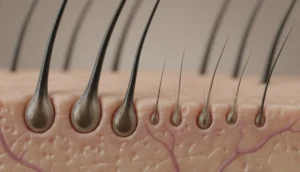
- Trichoscopic Signs – Miniaturized hairs, yellow dots, and exclamation‑mark hairs suggest specific alopecia subtypes.
- Blood Test Patterns – Low ferritin may point to iron‑deficiency‑related thinning, while elevated DHT indicates androgen‑driven loss.
- Biopsy Results – Presence of lymphocytic infiltrate supports alopecia areata; fibrosis confirms scarring alopecia.
Understanding these nuances allows the physician to tailor a treatment plan that addresses both the root cause and the visible symptoms. For instance, a patient with normal hormone levels but low vitamin D may benefit from supplementation before initiating a hair transplant program.
Treatment Planning Based on Workup Findings
The ultimate goal of the alopecia workup is to create a roadmap that aligns medical, pharmacological, and surgical options with the patient’s unique profile. Below are common pathways derived from typical diagnostic outcomes.
- Medical Therapy – Finasteride, minoxidil, anti‑inflammatories, or hormone modulators for androgenetic alopecia and telogen effluvium.
- Topical & Nutritional Support – Iron, vitamin D, biotin, and specialized hair‑growth serums.
- Procedural Interventions – Platelet‑rich plasma (PRP), low‑level laser therapy, or surgical hair transplant (FUE/DHI) for stable loss patterns.
- Autoimmune Management – Corticosteroid injections, topical immunotherapy, or systemic agents for alopecia areata.
| Condition | First‑Line Treatment | Adjunctive Options | When to Consider Surgery |
|---|---|---|---|
| Androgenetic alopecia | Finasteride + Minoxidil | Iron/Vit D supplements, PRP | After 2‑3 years of stable loss |
| Alopecia areata | Topical steroids | Intralesional steroids, JAK inhibitors | Rarely, if permanent scarring develops |
| Telogen effluvium | Address underlying trigger | Nutrition support, gentle hair care | Not applicable |
| Scarring alopecia | Anti‑inflammatory meds | Early surgical excision, hair transplant after disease quiescence | Only after inflammation controlled |
Choosing the right combination often involves trial periods and close monitoring. Your specialist will schedule follow‑up visits to assess response and adjust the regimen, ensuring that any progression is caught early.
Preparing for a Hair Restoration Procedure After Workup
If the diagnostic phase confirms that a surgical approach is appropriate, the next step is preparing for a safe and successful hair restoration. Proper pre‑operative preparation maximizes graft survival and reduces complications.
- Stabilize Underlying Conditions – Ensure thyroid, iron, and hormonal levels are within normal range.
- Medication Review – Discontinue anticoagulants, NSAIDs, and certain supplements as advised.
- Scalp Care – Use gentle shampoos, avoid harsh chemicals, and protect the scalp from sun exposure.
- Lifestyle Adjustments – Stop smoking, limit alcohol, and maintain a balanced diet rich in protein and antioxidants.
- Pre‑Surgery Consultation – Review the surgical plan, discuss anesthesia options, and set realistic expectations.
During the actual procedure—whether it’s Follicular Unit Extraction (FUE) or Direct Hair Implantation (DHI)—the surgeon relies on the detailed map created from the workup to harvest and place grafts strategically. Post‑operative care includes gentle washing, avoiding direct pressure on the grafted area, and adhering to prescribed medication schedules.
Why Choose Gold City Hair for Your Alopecia Treatment
Gold City Hair combines years of expertise with cutting‑edge technology to deliver personalized alopecia solutions. Since 2017, our clinic in Turkey has performed thousands of successful hair transplant procedures, including FUE and DHI, while maintaining a transparent, patient‑centered approach. Our team of board‑certified dermatologists and surgeons conducts thorough workups, ensuring that every treatment plan is rooted in accurate diagnosis and realistic expectations. Choose Gold City Hair for a trusted partner in restoring both your hair and confidence.
Ready to start your personalized alopecia workup? Contact Gold City Hair today to schedule a comprehensive consultation and take the first step toward lasting hair restoration.
FAQ
What is an alopecia workup and why is it important?
An alopecia workup is a comprehensive evaluation that identifies the cause of hair loss, guiding effective treatment.
Which tests are typically included in an alopecia workup?
Common tests include a medical history review, scalp examination, trichoscopy, blood panels, and sometimes a scalp biopsy.
How do workup results influence the choice of hair loss treatment?
Results identify the specific alopecia type and any underlying deficiencies, directing medical, topical, or surgical options.
What are the main types of alopecia and their typical causes?
The major types are androgenetic alopecia, alopecia areata, telogen effluvium, and scarring alopecia, each with distinct triggers.
When is a hair transplant considered after completing the workup?
A transplant is recommended once the underlying condition is stable, typically after 2‑3 years of consistent loss and corrected medical issues.
How long does it usually take to see results from medical hair loss therapies?
Medical treatments often show visible improvement after 3‑6 months, with full effects up to 12 months.