Hair plug surgery is one of the earliest methods developed to address male‑pattern baldness and other forms of hair loss. While newer techniques such as FUE and DHI have gained popularity, many patients still ask whether the classic plug approach can deliver natural‑looking density and long‑term satisfaction. This article walks you through the entire process—from how the grafts are harvested to the factors that influence cost and recovery—so you can decide if this method aligns with your goals.
According to historical data, the first modern hair plug procedures were performed in the 1950s, and by the 1990s they accounted for the majority of hair restoration surgeries worldwide. Today, the technique is often used as a reference point when comparing modern hair transplant options, and understanding its mechanics helps patients appreciate the advances made in graft handling and placement.
Whether you are exploring a hair plug procedure for the first time or simply want to compare it with other methods, the following sections provide a comprehensive overview of the technique, typical pricing, recovery expectations, and candidate suitability.
How Hair Plug Surgery Works
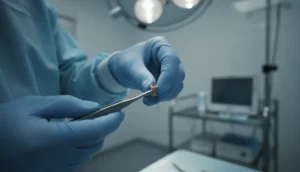
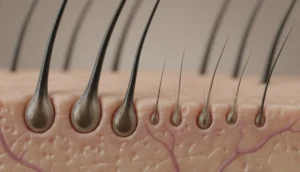
The hair plug method involves removing small cylindrical sections of scalp—each containing a handful of hair follicles—from a donor area, usually the back of the head, and transplanting them into balding zones. The process can be broken down into three main stages:
- Donor Harvesting: A surgeon uses a specialized punch tool, typically 4 mm in diameter, to excise plugs that contain 10‑15 hairs each.
- Graft Preparation: The plugs are trimmed under a microscope to ensure they fit the recipient sites and to remove any excess tissue.
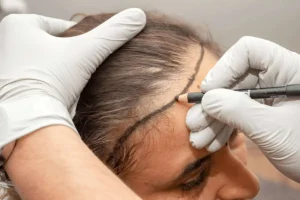
- Implantation: Small incisions are made in the balding area, and each plug is carefully placed into these channels, aiming for a natural hairline and appropriate density.
Because each plug contains multiple hairs, early versions of the technique often resulted in a “dotted” appearance, especially when the plugs were placed too far apart. Modern refinements focus on spacing and angling to mimic the direction of natural hair growth.
While the basic concept resembles other hair graft procedures, the plug method differs in graft size and the way the donor tissue is harvested. Unlike follicular unit extraction (FUE), which removes individual follicular units, hair plug surgery extracts larger tissue cylinders, making the procedure faster but sometimes less subtle in visual outcome.
History and Evolution of the Plug Technique
The origins of hair plug surgery trace back to Dr. Norman Orentreich’s pioneering work in the 1950s, which demonstrated that transplanted hair could survive permanently when moved from a permanent zone to a balding area. Early adopters used 4‑mm plugs, and the results were considered revolutionary at the time.
Throughout the 1970s and 1980s, the technique evolved with improvements in punch design and graft handling. However, patients often reported a “pluggy” look due to the large size of each graft. This feedback spurred the development of follicular unit transplantation (FUT) and later follicular unit extraction (FUE), which focus on smaller, naturally occurring follicular units.
Today, many clinics still reference the plug method when explaining the benefits of newer technologies. Understanding this lineage helps patients appreciate why hair plug surgery is sometimes chosen for extensive coverage: the larger grafts can fill broader bald areas more quickly, reducing the number of sessions required.
- 1952 – First successful hair transplant performed by Dr. Orentreich.
- 1970s – Introduction of larger 4‑mm punch tools.
- 1990s – Shift toward smaller follicular unit grafts (FUT, FUE).
- 2000s – Hybrid approaches combine plug concepts with micro‑graft techniques.
Cost Considerations and Pricing Factors
Understanding the financial aspect of a hair plug procedure is essential before committing to treatment. While the price can vary widely based on location, surgeon expertise, and the number of grafts needed, several common factors influence the final bill:
| Factor | Impact on Cost |
|---|---|
| Number of Plugs Needed | More plugs increase total price; each plug typically contains 10‑15 hairs. |
| Geographic Location | Clinics in Turkey, such as Gold City Hair, often offer lower rates than the USA or Europe. |
| Surgeon Experience | Highly experienced surgeons may charge a premium for precision and lower complication rates. |
| Facility Fees | Operating room, anesthesia, and post‑operative care add to the overall cost. |
Typical price ranges (in USD) for hair plug surgery are as follows:
- Basic package (up to 500 hairs): $2,000 – $4,000
- Medium package (500‑1,200 hairs): $4,500 – $7,500
- Extensive package (1,200+ hairs): $8,000 – $12,000
When comparing hair plug cost to other methods, it’s important to factor in the potential need for revision sessions. Modern FUE procedures often have higher per‑graft prices but may require fewer follow‑up visits due to the natural appearance of the results.
Recovery, Risks, and Aftercare
Recovery from a hair plug procedure typically involves a short period of mild discomfort, swelling, and scabbing around the donor and recipient sites. Most patients can return to light activities within a week, but full healing may take up to three months.
Key aftercare steps include:
- Gentle Washing: Use a mild shampoo after 48 hours, avoiding direct pressure on the plugs.
- Medication: Follow prescribed antibiotics and anti‑inflammatory drugs to reduce infection risk.
- Avoid Sun Exposure: Protect the scalp with a loose hat for at least two weeks.
- Activity Restrictions: Refrain from heavy exercise or lifting for 7‑10 days.
Potential risks are similar to other hair transplant procedures and may include:
- Infection or folliculitis
- Scarring at donor or recipient sites
- Uneven hair growth or “pluggy” appearance if grafts are spaced too far apart
- Temporary shock loss of existing hairs
Most complications are minor and resolve with proper care. Consulting a qualified surgeon for a personalized aftercare plan maximizes graft survival and ensures the best aesthetic outcome.
Who Is a Good Candidate?
Not everyone benefits equally from the plug technique. Ideal candidates typically share the following characteristics:
- Stable Hair Loss: The pattern of baldness should be well‑defined and not rapidly progressing.
- Adequate Donor Supply: Sufficient healthy hair in the back or sides of the scalp to provide plugs.
- Realistic Expectations: Understanding that the result may be less subtle than modern micro‑graft methods.
- Good Overall Health: No contraindications such as uncontrolled diabetes, severe cardiovascular disease, or active scalp infections.
Patients with extensive thinning, diffuse alopecia, or those seeking an ultra‑natural hairline may prefer FUE or DHI instead. A thorough consultation with a qualified surgeon will determine whether hair plug surgery aligns with your aesthetic goals and medical profile.
In addition, men looking for rapid coverage of large bald areas often find the plug method cost‑effective, while women with localized thinning may benefit more from follicular unit techniques that allow for finer placement.
Why Choose Gold City Hair
Gold City Hair has been delivering personalized hair restoration solutions in Turkey since 2017. Our clinic combines the latest FUE and DHI technologies with a deep understanding of classic techniques, ensuring each patient receives a tailored plan that matches their unique hair loss pattern. Transparent communication, a dedicated aftercare team, and a commitment to natural‑looking results set us apart as a trusted partner in your confidence‑building journey.
Ready to explore whether hair plug surgery or a modern alternative is right for you? Contact Gold City Hair today to schedule a free, no‑obligation consultation and take the first step toward a fuller, more confident you.
FAQ
What is hair plug surgery and how does it differ from modern FUE?
Hair plug surgery removes small cylindrical sections of scalp containing multiple hairs and transplants them as plugs, whereas FUE extracts individual follicular units.
What are the typical costs associated with hair plug surgery?
Prices range from $2,000‑$4,000 for up to 500 hairs, $4,500‑$7,500 for 500‑1,200 hairs, and $8,000‑$12,000 for extensive coverage.
How long is the recovery period after a hair plug procedure?
Most patients resume light activities within a week, with full healing taking up to three months.
Who is an ideal candidate for hair plug surgery?
Good candidates have stable hair loss, sufficient donor hair, realistic expectations, and overall good health.
What are the main risks and complications of hair plug surgery?
Risks include infection, scarring, uneven growth, pluggy appearance, and temporary shock loss.
Why might someone choose Gold City Hair for a plug procedure?
Gold City Hair combines modern FUE/DHI technology with expertise in classic plug techniques, offering personalized plans and strong after‑care.