Many wonder what age do men bald, and understanding the factors can help set realistic expectations. Hair loss is a common concern that affects confidence and personal image, especially as men move through different life stages. In this article we explore the typical timeline of male baldness, the biological and lifestyle influences, early warning signs, and the most effective solutions available today.
Statistics show that roughly 25% of men begin to notice thinning hair before the age of 21, while about two‑thirds will experience some degree of baldness by age 35. These numbers highlight why early awareness is crucial. By recognizing the patterns and triggers early, you can take proactive steps—whether through medical therapy, lifestyle adjustments, or advanced hair restoration procedures.
We will break down the science behind hair loss, discuss how genetics, hormones, and everyday habits play a role, and guide you toward informed decisions about treatment options. Whether you are just noticing a receding hairline or seeking long‑term solutions, this guide provides the knowledge you need to navigate the journey with confidence.
Understanding Male Pattern Baldness and Its Timeline
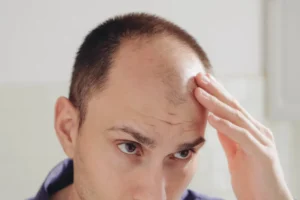
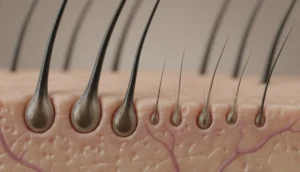
Male pattern baldness, medically known as androgenetic alopecia, follows a predictable pattern that often begins with a receding hairline at the temples and thinning at the crown. The process is driven by the hormone dihydrotestosterone (DHT), which shortens the growth phase of hair follicles, leading to finer, shorter hairs over time.
- Late teens to early 20s: Initial signs may appear as a subtle recession of the hairline.
- Mid‑20s to early 30s: Thinning becomes more noticeable, especially at the crown.
- Mid‑30s to 40s: The classic “M” shape develops, and the hair loss pattern stabilizes for many.
- 50s and beyond: Extensive thinning or complete baldness may occur, depending on genetic predisposition.
While the exact age varies, studies indicate that the average age men start to notice significant balding is around 31. However, early onset can occur as young as 18, especially in families with a strong history of hair loss.
Understanding this timeline helps you gauge where you stand on the spectrum and decide when to seek professional advice.
Genetic and Hormonal Factors That Influence When Men Go Bald
Genetics play the dominant role in determining what age do men bald. If your father or grandfather experienced early hair loss, you are more likely to follow a similar pattern. Researchers have identified several genes, such as AR (androgen receptor) and the WNT signaling pathway, that increase susceptibility to DHT‑related follicle miniaturization.
Hormonal fluctuations also contribute. Elevated levels of DHT, derived from testosterone, bind to receptors in scalp follicles, accelerating the miniaturization process. Men with higher sensitivity to DHT often see earlier onset of baldness.
| Factor | Impact on Balding Age |
|---|---|
| Family History (Father/Brother) | Can reduce onset by 5‑10 years |
| High DHT Levels | Accelerates thinning by 2‑4 years |
| Gene Variants (AR, WNT) | Influences severity and speed |
Understanding your genetic background can inform the timing of interventions. Genetic testing kits are available, but a professional consultation provides a more comprehensive assessment.
Lifestyle, Health, and Environmental Impacts on Balding Age
While genetics set the foundation, lifestyle choices can either hasten or delay the onset of baldness. Poor nutrition, chronic stress, and certain medical conditions are linked to earlier hair loss.
Nutrition and Hair Health
A diet lacking essential nutrients such as iron, zinc, biotin, and omega‑3 fatty acids can weaken hair follicles. Incorporating lean proteins, leafy greens, nuts, and fish supports the production of keratin, the primary structural protein of hair.
Stress and Hormonal Balance
Chronic stress elevates cortisol levels, which can disrupt the hair growth cycle and lead to telogen effluvium—a temporary shedding condition that may accelerate the progression of androgenetic alopecia.
Medical Conditions and Medications
Conditions like thyroid disorders, anemia, and autoimmune diseases (e.g., alopecia areata) can cause premature hair loss. Some medications, including certain antidepressants and blood thinners, also list hair loss as a side effect.
- Quit smoking: Improves circulation to scalp.
- Limit alcohol: Reduces dehydration of hair follicles.
- Regular exercise: Balances hormones and reduces stress.
By addressing these modifiable factors, men can potentially postpone the age at which they start to bald and improve overall hair quality.
Early Signs and How to Recognize the Onset of Baldness
Detecting the early signs of hair loss empowers you to act before the condition advances. Common indicators include:
- Gradual recession of the hairline at the temples.
- Thinning at the crown that becomes more visible when the hair is wet.
- Increased shedding when washing or brushing.
- Miniaturized hairs that feel finer to the touch.
Self‑examination is simple: Part your hair in the middle and look for a clear line where the scalp becomes visible. A “hair-pull test”—gently tugging a small section of hair—can also reveal how many hairs come out; more than 5 hairs may indicate active shedding.
Early detection is crucial because treatments like finasteride, minoxidil, or low‑level laser therapy are most effective when started at the initial stages of thinning. Delaying intervention often results in the need for more invasive procedures later on.
Choosing the Right Hair Restoration Approach for Your Age and Condition
When deciding how to address baldness, the optimal solution depends on your age, the extent of hair loss, and personal preferences. Below is a comparison of the most common interventions.
| Treatment | Ideal Age Range | Effectiveness | Maintenance | Notes |
|---|---|---|---|---|
| Minoxidil (Topical) | 18‑45 | Moderate (halts progression) | Daily application | Over‑the‑counter, may cause scalp irritation. |
| Finasteride (Oral) | 25‑55 | High (promotes regrowth) | Daily pill | Prescription, monitor for side effects. |
| Low‑Level Laser Therapy | 20‑50 | Low‑to‑moderate | 2‑3 sessions/week | Non‑invasive, used as adjunct. |
| FUE Hair Transplant | 25‑60 | Very high (permanent) | Minimal after healing | Surgical, best for stable loss. |
| DHI Hair Transplant | 25‑60 | Very high | Minimal after healing | Advanced technique, precise placement. |
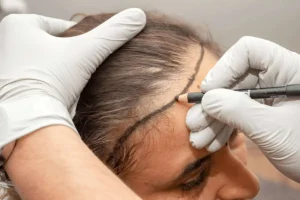
For men in their late teens or early twenties, non‑surgical options like minoxidil and lifestyle changes are often recommended first. As hair loss stabilizes, surgical solutions such as FUE or DHI hair transplantation provide lasting density and natural appearance. Consulting with a qualified clinic ensures a personalized plan that aligns with your age and hair loss stage.
Why Choose Gold City Hair
Gold City Hair has been delivering personalized hair restoration solutions in Turkey since 2017. Our clinic specializes in advanced techniques such as FUE and DHI, ensuring natural‑looking results with minimal downtime. We prioritize transparent communication, thorough pre‑procedure assessments, and after‑care support, helping each client regain confidence through lasting hair growth.
Ready to take control of your hair journey? Contact Gold City Hair today to schedule a personalized consultation and discover the most effective treatment for your unique needs.
Experience the confidence of a fuller head of hair—book your appointment now.
FAQ
What age do men typically start going bald?
Most men notice significant balding around age 31, though early signs can appear as early as the late teens.
What are the early signs of male pattern baldness?
Early signs include a receding hairline at the temples, thinning at the crown, and increased shedding when washing or brushing.
How do genetics affect the age of baldness in men?
Genetics are the dominant factor; a family history of early hair loss can shift the onset earlier by 5‑10 years.
Can lifestyle changes delay hair loss in men?
Yes, improving nutrition, reducing stress, quitting smoking, and regular exercise can help postpone baldness.
What treatment options are most effective for early‑stage baldness?
Topical minoxidil, oral finasteride, and low‑level laser therapy are most effective when started early.
How does DHT contribute to male hair loss?
DHT shortens the hair growth phase, causing follicles to shrink and produce finer, shorter hairs.