Early hair thinning can feel like an unexpected loss of confidence, especially when it appears in your twenties or thirties. While many people associate thinning hair with later stages of balding, the reality is that subtle hair loss often begins much earlier. Recognizing the underlying factors and taking proactive steps can dramatically improve outcomes and preserve your natural hair density.
In this article we explore the most common causes of early hair thinning, the visual cues that signal its onset, and a range of evidence‑based treatments—from lifestyle adjustments to advanced transplant techniques. Whether you are noticing a slightly wider part, increased shedding in the shower, or a receding hairline, understanding the science behind the process empowers you to make informed decisions.
Statistics from dermatology clinics show that up to 30 % of men and 20 % of women experience noticeable hair thinning before the age of 35. Early intervention not only slows progression but also expands the range of effective solutions, including minimally invasive procedures offered by specialists at Gold City Hair.
Read on to learn how to identify early hair thinning, what triggers it, and which treatment pathways can restore a fuller, healthier look.
What Causes Early Hair Thinning?
Multiple factors can trigger early hair thinning, and often they interact in complex ways. Understanding the root causes helps you target the most appropriate interventions.
Genetic Predisposition
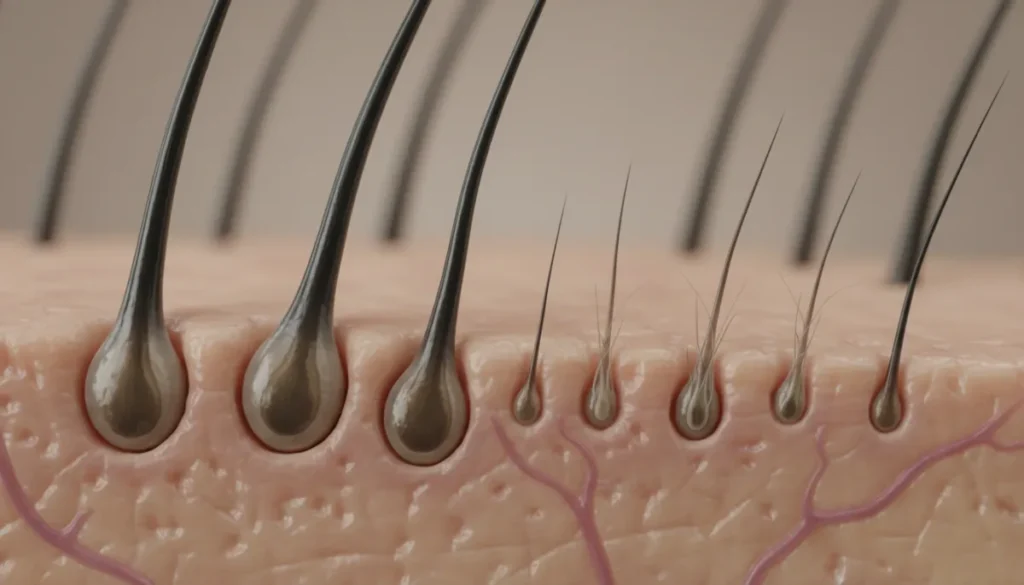
Androgenetic alopecia, commonly known as male or female pattern baldness, is the leading genetic driver of early thinning. Even a modest family history can predispose you to hair follicle mini‑miniaturization as early as your late teens.
Hormonal Influences
Fluctuations in hormones such as dihydrotestosterone (DHT), estrogen, and thyroid hormones can accelerate follicle shrinkage. Conditions like polycystic ovary syndrome (PCOS) or thyroid disorders are frequent culprits in women.
Stress and Lifestyle
Chronic stress elevates cortisol levels, which can push hair follicles into the telogen (resting) phase—a condition known as telogen effluvium. Sudden weight loss, intense exercise, or emotional trauma can also precipitate shedding.
Nutritional Deficiencies
Insufficient iron, zinc, vitamin D, or biotin can impair keratin production, leading to weaker strands and increased breakage. A balanced diet is essential for maintaining the hair growth cycle.
Medical Conditions and Medications
Autoimmune disorders like alopecia areata, scalp infections, and certain medications (e.g., anticoagulants, retinoids) can cause localized or diffuse thinning. Identifying these underlying issues is critical before initiating treatment.
- Genetics – family history of baldness
- Hormones – DHT, estrogen, thyroid imbalance
- Stress – chronic cortisol elevation
- Nutrition – iron, zinc, vitamin D deficiency
- Medical – alopecia areata, medication side effects
| Cause | Typical Onset Age | Key Indicator |
|---|---|---|
| Androgenetic Alopecia | 15‑30 | Gradual recession of hairline, thinning crown |
| Telogen Effluvium | Any (often after stress) | Sudden diffuse shedding, increased hair in brush |
| Alopecia Areata | 20‑40 | Round, smooth bald patches |
| Nutritional Deficiency | Variable | Fine, brittle hair with increased breakage |
Recognizing the Signs of Early Hair Thinning
Detecting early hair thinning early enough to intervene is essential. The visual clues are often subtle, but a systematic self‑check can reveal the pattern before it becomes pronounced.
Changes in Part Width
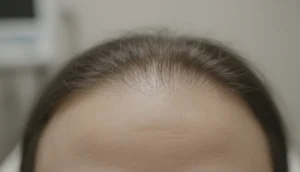
If your part appears wider or you need to adjust it more frequently, this may indicate reduced density. A simple method is to part your hair over a mirror and observe whether the scalp becomes visible.
Increased Shedding
Normal daily shedding ranges from 50‑100 hairs. Consistently exceeding this number, especially after washing or brushing, suggests the follicles are entering the telogen phase prematurely.
Visible Scalp or Thinning Crown
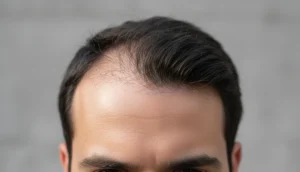
Early thinning often begins at the crown or temples. Lightly pulling a small section of hair can help you see if the scalp shows through more than usual.
Texture Changes
Hair may feel finer, less voluminous, or break more easily. A gentle tug test—grasping a small bunch of hair—can reveal reduced tensile strength.
- Check part width weekly.
- Count shed hairs after each wash.
- Examine crown and temples for scalp visibility.
- Assess hair texture by gentle pulling.
Effective Treatment Options for Early Hair Thinning
When early hair thinning is identified, a layered treatment plan often yields the best results. Options range from topical medications to surgical restoration, each suited to different stages and causes.
Topical and Oral Medications
Minoxidil (2 % for women, 5 % for men) is FDA‑approved for stimulating follicular activity and can halt progression in many cases. Finasteride, an oral DHT blocker, is effective for androgenetic patterns in men but requires a prescription.
Platelet‑Rich Plasma (PRP) Therapy
PRP involves injecting concentrated platelets from your own blood into the scalp, delivering growth factors that promote follicle health. Studies show a 30‑40 % increase in hair density after a series of three monthly sessions.
Low‑Level Laser Therapy (LLLT)
LLLT devices emit red‑light photons that stimulate cellular metabolism in hair follicles. Consistent use (15‑20 minutes daily) can improve thickness and reduce shedding.
Hair Transplant Techniques
For individuals where medical therapy provides limited improvement, follicular unit extraction (FUE) or direct‑hair‑implantation (DHI) offers permanent restoration. Both methods harvest individual follicles from a donor area (usually the back of the head) and implant them into thinning zones with natural angulation.
| Treatment | Typical Candidates | Time to See Results | Durability |
|---|---|---|---|
| Minoxidil | Early androgenetic, telogen effluvium | 3‑6 months | Ongoing use required |
| Finasteride | Men with pattern baldness | 4‑12 months | Ongoing use required |
| PRP | Diffuse thinning, early alopecia areata | 2‑4 months | Long‑term maintenance |
| FUE / DHI Transplant | Stable donor area, moderate‑to‑advanced thinning | 6‑12 months (growth phase) | Permanent |
Preventive Care and Lifestyle Adjustments
Even if you are already experiencing early hair thinning, adopting preventive habits can reinforce treatment outcomes and protect newly transplanted follicles.
Nutrition for Hair Health
Incorporate iron‑rich foods (spinach, lentils), omega‑3 fatty acids (salmon, walnuts), and antioxidant‑dense berries. Supplementation with biotin (5 mg) and vitamin D (1,000 IU) is often recommended after a blood test confirms deficiency.
Scalp Hygiene
Gentle, sulfate‑free shampoos cleanse without stripping natural oils. Regular scalp massage (2‑3 minutes daily) stimulates blood flow, enhancing nutrient delivery to follicles.
Stress Management
Practices such as mindfulness meditation, yoga, or regular aerobic exercise reduce cortisol spikes that can trigger telogen effluvium.
Hair Styling Practices
Avoid tight ponytails, braids, or harsh chemical treatments that cause traction alopecia. Use a wide‑tooth comb and limit heat styling to preserve shaft integrity.
- Eat a balanced diet rich in iron, zinc, and omega‑3.
- Maintain scalp hygiene with mild shampoos.
- Practice stress‑relief techniques daily.
- Choose gentle hairstyles and limit heat.
When to Seek Professional Help
If you notice persistent early hair thinning despite lifestyle changes, consulting a hair restoration specialist is the next logical step. Early professional evaluation expands the toolbox of interventions available to you.
Diagnostic Evaluation
A thorough examination includes a trichoscopic analysis, blood work to assess hormonal and nutritional status, and a review of medical history. This helps differentiate between androgenetic alopecia, telogen effluvium, and alopecia areata.
Timing for Surgical Intervention
Hair transplant procedures are most successful when the pattern of loss has stabilized for at least 12 months. However, early candidates with a clear donor area and progressive thinning may benefit from a pre‑emptive transplant to preserve existing density.
Choosing the Right Clinic
Look for a center with board‑certified surgeons, transparent communication, and a track record of natural‑looking results. Gold City Hair, established in 2017, offers personalized treatment plans and state‑of‑the‑art FUE and DHI techniques.
- Schedule a comprehensive scalp assessment.
- Complete blood panel to rule out deficiencies.
- Discuss medical and surgical options with a specialist.
- Plan a treatment timeline based on your goals.
Why Choose Gold City Hair for Your Hair Restoration Journey
Gold City Hair combines cutting‑edge FUE and DHI technologies with a patient‑first philosophy. Since 2017, our team has delivered natural, lasting results for individuals facing early hair thinning and beyond. We prioritize transparent communication, customized treatment plans, and post‑procedure support to ensure confidence‑boosting outcomes.
Ready to take control of early hair thinning? Contact Gold City Hair today for a personalized consultation and discover the most effective path to fuller, healthier hair.
Book your appointment now and start your journey toward renewed confidence.
FAQ
What are the most common causes of early hair thinning?
The main causes include genetic predisposition, hormonal changes, stress, nutritional deficiencies, and certain medical conditions or medications.
How can I recognize the early signs of hair thinning?
Look for a wider part, increased shedding, visible scalp at the crown or temples, and changes in hair texture or strength.
What non‑surgical treatments are effective for early hair thinning?
Topical minoxidil, oral finasteride (for men), PRP therapy, and low‑level laser therapy are proven non‑surgical options.
When is a hair transplant recommended for early thinning?
A transplant is considered when the donor area is stable, thinning is moderate‑to‑advanced, and the pattern of loss has been stable for at least 12 months.
What lifestyle changes can support hair health and treatment outcomes?
A balanced diet rich in iron, zinc, omega‑3s, regular scalp massage, stress management, gentle hair care, and avoiding tight hairstyles are key.