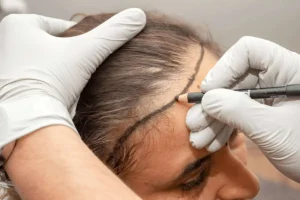
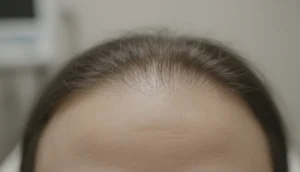
Many women notice a subtle yet concerning shift in their hairline, especially around the temples, and wonder why they are experiencing a female receding hairline temples pattern. This article explores the underlying reasons, how professionals diagnose the issue, and the range of treatment options—from topical solutions to state‑of‑the‑art hair transplant procedures. According to recent dermatology surveys, approximately 40 % of women report some degree of temple thinning by the age of 35, making early awareness crucial for effective management.
We will first examine the hormonal and genetic factors that drive this type of hair loss, then guide you through the diagnostic process used by experienced clinicians. After that, you’ll learn about both non‑surgical hair loss treatments and surgical interventions such as FUE and DHI, which are performed at Gold City Hair with a focus on natural‑looking results. Finally, practical lifestyle tips will help you maintain the health of your existing hair and potentially slow further recession.
Whether you are seeking a simple hair loss treatment or considering a comprehensive baldness therapy, understanding the specific characteristics of a female receding hairline at the temples empowers you to choose the most suitable approach for lasting confidence.
Causes of Female Receding Hairline at the Temples
The appearance of a female receding hairline temples often signals an interplay of hormonal, genetic, and environmental influences. Recognizing these causes helps tailor the most effective hair thinning treatment plan.
Hormonal Factors
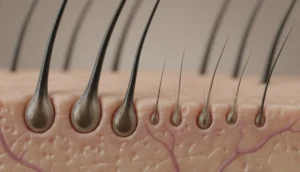
Fluctuations in estrogen and androgen levels are primary drivers of temple hair loss in women. Conditions such as polycystic ovary syndrome (PCOS) increase androgen production, which can miniaturize hair follicles and accelerate recession. Post‑menopausal estrogen decline also reduces the protective effect against androgenic alopecia, leading to a pattern similar to male‑type baldness.
Genetic Predisposition
Family history remains a strong predictor. If a close female relative experienced early temple recession, the likelihood of inheriting a similar pattern rises significantly. This hereditary component is often categorized under androgenetic alopecia, the most common form of hair loss in both sexes.
Other Contributing Factors
- Chronic stress and elevated cortisol levels.
- Nutrient deficiencies, especially iron, zinc, and vitamin D.
- Harsh hairstyling practices that create tension at the temples.
- Underlying scalp conditions such as seborrheic dermatitis.
| Cause | Typical Signs | Impact on Temples |
|---|---|---|
| Androgenic Hormones | Gradual thinning, miniaturized hairs | Progressive recession |
| Genetic Predisposition | Early onset, family pattern | Symmetrical temple loss |
| Stress‑Induced Telogen | Sudden shedding, diffuse thinning | Accelerated recession |
| Nutrient Deficiency | Dry scalp, brittle strands | Patchy thinning |
How to Diagnose Temple Hair Loss in Women
Accurate diagnosis is essential before embarking on any hair loss treatment. Dermatologists and hair restoration specialists use a combination of visual assessment and specialized tools to differentiate a female receding hairline temples from other scalp conditions.
Clinical Examination
The practitioner first evaluates the pattern of recession, noting the distance from the hairline to the temples and any accompanying signs such as scalp inflammation or scaling. Photographic documentation helps track progression over time.
Trichoscopy and Scalp Biopsy
Trichoscopy—a dermatoscopic examination of the scalp—reveals follicular miniaturization, yellow dots, and perifollicular discoloration, all hallmarks of androgenetic alopecia. In ambiguous cases, a small scalp biopsy may be performed to confirm the diagnosis and rule out alopecia areata or other inflammatory disorders.
Laboratory Tests
- Hormone panel (testosterone, DHEA‑S, estrogen).
- Complete blood count and ferritin levels to detect anemia.
- Thyroid function tests, as hypothyroidism can mimic hair thinning.
Non‑Surgical Hair Loss Treatments for Temple Recession
For many women, non‑surgical options provide a viable first line of defense against a female receding hairline temples. These treatments aim to halt further loss, stimulate new growth, and improve the appearance of thinning areas.
Topical Minoxidil
Minoxidil 5 % solution, originally approved for male pattern baldness, is now widely used for women. Applied twice daily, it enhances blood flow to the follicles and prolongs the anagen (growth) phase. Consistent use for at least four months is necessary to see measurable results.
Platelet‑Rich Plasma (PRP) Therapy
PRP involves injecting a concentrated platelet solution derived from the patient’s own blood into the temple region. Growth factors released from platelets stimulate cellular activity and may improve hair density over a series of three to four sessions.
Low‑Level Laser Therapy (LLLT)
LLLT devices, such as combs or helmets, emit red light wavelengths that promote mitochondrial activity in hair follicles. Clinical studies report modest increases in hair thickness after regular use for six months.
Cosmetic Solutions
- Hair‑building fibers that cling to existing strands.
- Scalp‑concealing powders for temporary coverage.
- Strategic styling to mask temple thinning.
| Treatment | Mechanism | Typical Results | Duration |
|---|---|---|---|
| Minoxidil | Vasodilation & anagen extension | 10‑20 % increase in density | 4‑6 months |
| PRP | Growth factor stimulation | 15‑30 % improvement | 3‑4 sessions |
| LLLT | Cellular energy boost | 5‑10 % thickness gain | 6 months |
Surgical Options: FUE and DHI for Temple Restoration
When conservative measures are insufficient, surgical hair restoration offers a permanent solution for a female receding hairline temples. Gold City Hair specializes in Follicular Unit Extraction (FUE) and Direct Hair Implantation (DHI), both of which provide natural‑looking density with minimal scarring.
Follicular Unit Extraction (FUE)
FUE removes individual follicular units from a donor area—typically the back of the scalp—and transplants them into the temple region. The process involves precise micro‑punch tools (0.8‑1.0 mm) that leave tiny, dot‑like scars that are virtually invisible after healing.
Direct Hair Implantation (DHI)
DHI uses a patented implanter pen that allows the surgeon to place grafts directly into pre‑made channels without prior incision. This technique reduces handling time, improves graft survival, and enables higher density placement, which is especially advantageous for the delicate temple zone.
What to Expect
- Initial consultation and detailed scalp analysis.
- Design of a customized hairline that matches facial proportions.
- Extraction of 800‑1500 grafts, depending on the extent of recession.
- Post‑operative care includes gentle washing and avoidance of direct sun for two weeks.
Clinical studies from reputable hair transplant centers report graft survival rates of 90‑95 % with DHI, making it a preferred choice for patients seeking optimal aesthetic outcomes.
Lifestyle and Prevention Tips to Slow Temple Recession
While medical interventions are effective, everyday habits play a pivotal role in maintaining scalp health and slowing the progression of a female receding hairline temples pattern.
Nutrition
Consume a balanced diet rich in protein, omega‑3 fatty acids, and micronutrients such as biotin, zinc, and iron. Foods like salmon, leafy greens, nuts, and legumes support keratin production and follicle vitality.
Stress Management
Chronic stress elevates cortisol, which can trigger telogen effluvium—a temporary shedding phase that often exacerbates temple thinning. Incorporate relaxation techniques such as yoga, meditation, or regular aerobic exercise.
Gentle Hair Care
- Avoid tight ponytails, braids, or hair accessories that pull on the temples.
- Use sulfate‑free, mild shampoos and limit heat styling.
- Massage the scalp gently for a few minutes daily to stimulate blood flow.
Regular Check‑Ups
Schedule periodic evaluations with a hair restoration specialist to monitor changes and adjust treatment plans promptly. Early intervention is key to preserving existing hair and achieving the best possible outcomes.
Why Choose Gold City Hair
Gold City Hair combines cutting‑edge technology with a personalized approach to address a female receding hairline temples. Since 2017, our clinic in Turkey has performed thousands of successful FUE and DHI procedures, delivering natural results that restore confidence. Our team of certified surgeons prioritizes transparent communication, thorough pre‑operative assessment, and post‑treatment support, ensuring each patient feels informed and cared for throughout the journey.
Ready to reclaim a fuller, more youthful hairline? Contact Gold City Hair today to schedule your confidential consultation and discover a tailored plan that fits your goals.
Take the first step toward lasting confidence—our experts are here to guide you every step of the way.
FAQ
What causes a female receding hairline at the temples?
Hormonal shifts, genetics, stress, nutrient deficiencies, and harsh styling can all trigger temple recession in women.
How is temple hair loss diagnosed in women?
Doctors combine visual assessment, trichoscopy, possible scalp biopsy, and lab tests to confirm the cause of temple thinning.
What non‑surgical treatments are effective for temple recession?
Topical minoxidil, PRP injections, low‑level laser therapy, and cosmetic solutions like fibers are commonly used non‑surgical options.
How does minoxidil work for women with temple hair loss?
Minoxidil widens blood vessels, enhancing nutrient delivery to follicles and extending the growth phase of hair.
What are the differences between FUE and DHI hair transplant techniques?
FUE extracts individual grafts with a micro‑punch, while DHI implants them directly using a pen, offering higher precision and less handling.
Can lifestyle changes help slow down temple hair recession?
Yes, balanced nutrition, stress management, gentle hair care, and regular medical check‑ups can all slow progression.