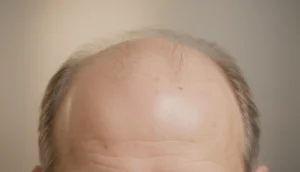
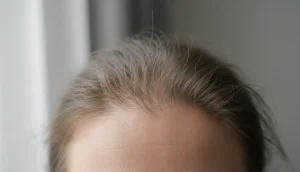
Many people notice a bald spot forming on their scalp and wonder what triggers this change. Understanding the underlying reasons is essential for selecting the right hair loss treatment and preventing further thinning. In this article we explore the most common causes, from genetic patterns to lifestyle factors, and outline both non‑surgical and surgical options that can restore confidence.
According to recent studies, roughly 30% of men and 20% of women experience noticeable hair thinning by age 35, often beginning with a small, isolated bald spot. This early sign can be a warning that more extensive hair loss may follow if left untreated.
We’ll guide you through how to diagnose the condition, what therapies are available, and how to maintain results over the long term. Whether you are considering topical solutions, lifestyle adjustments, or a state‑of‑the‑art hair transplant, this guide provides the information you need to make an informed decision.
Understanding the Bald Spot: Causes and Types
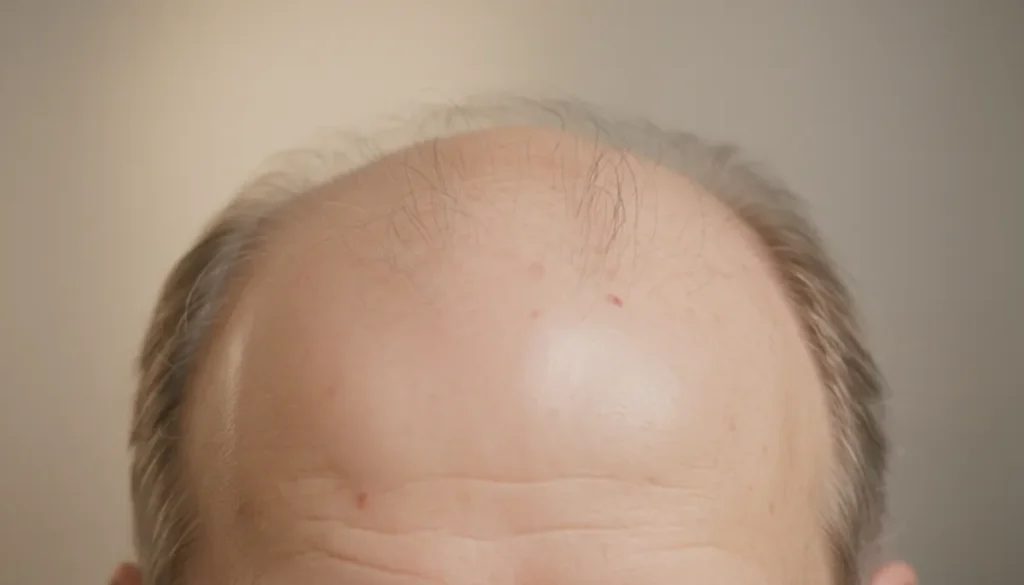
The first step in addressing a bald spot is recognizing its root cause. While the term “bald spot” is often used colloquially, medically it can be linked to several distinct conditions:
- Androgenetic alopecia – commonly known as male or female pattern baldness, driven by genetics and hormonal factors.
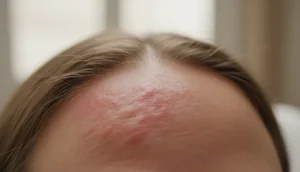
- Alopecia areata – an autoimmune disorder that causes sudden, round patches of hair loss.
- Traction alopecia – resulting from excessive tension on the hair, often due to tight hairstyles.
- Telogen effluvium – a temporary shedding phase triggered by stress, illness, or medication.
Each type presents unique patterns. For instance, androgenetic alopecia typically starts with a receding hairline or thinning at the crown, while alopecia areata may produce sharply defined, circular bald spots. Identifying the pattern helps clinicians recommend the most effective treatment plan.
Age, family history, and overall health also influence the likelihood of developing a bald spot. Men with a family history of early hair loss may notice a small, isolated patch as early as their mid‑twenties, whereas women often experience diffuse thinning before a distinct spot appears.
Diagnosing Hair Loss: When to Seek Professional Help
Early detection is key. If you notice a bald spot that does not improve within a few months, it’s advisable to consult a hair restoration specialist. Professionals use several diagnostic tools:
| Tool | Purpose |
|---|---|
| Trichoscopy | Magnified view of hair follicles to assess miniaturization. |
| Blood tests | Identify hormonal imbalances or nutrient deficiencies. |
| Scalp biopsy | Confirm autoimmune conditions such as alopecia areata. |
These assessments determine whether a bald spot is a sign of progressive hair loss or a temporary condition. Prompt treatment can halt progression and improve the chance of successful regrowth.
Patients often ask whether lifestyle changes alone can reverse a bald spot. While nutrition, stress management, and proper scalp care support overall hair health, they rarely replace targeted medical or surgical interventions for established loss.
Non‑Surgical Options: Topical Treatments and Lifestyle Changes
Before considering surgery, many individuals explore non‑invasive approaches. The most widely studied topical agents include:
- Minoxidil – an over‑the‑counter solution that stimulates follicular activity.
- Finasteride – an oral prescription medication that reduces dihydrotestosterone (DHT) levels.
- Platelet‑rich plasma (PRP) – injections that use the patient’s own blood components to promote healing.
These treatments can be effective for early‑stage bald spots, especially when combined with proper scalp hygiene. Gentle massage, regular cleansing, and avoiding harsh chemicals help maintain a healthy environment for hair follicles.
Nutrition also plays a role. Vitamins such as biotin, zinc, and vitamin D support keratin production and overall hair strength. Including lean proteins, omega‑3 fatty acids, and antioxidant‑rich foods can further enhance results.
While lifestyle adjustments improve hair quality, they typically do not fully reverse a well‑established bald spot. For those seeking a more definitive solution, surgical options offer higher success rates.
Surgical Solutions: FUE, DHI, and Advanced Transplant Techniques
When a bald spot becomes permanent, hair transplantation provides the most reliable restoration. Gold City Hair specializes in cutting‑edge methods such as:
- Follicular Unit Extraction (FUE) – individual follicles are harvested and implanted, leaving minimal scarring.
- Direct Hair Implantation (DHI) – utilizes a proprietary implanter pen for precise placement and higher graft survival.
- Robotic‑assisted FUE – enhances accuracy and reduces procedure time.
These techniques differ from older strip‑harvest methods by preserving donor area integrity and offering natural‑looking density. Success rates for FUE and DHI exceed 90% in properly selected patients, with visible hair growth typically appearing within three to four months after surgery.
During a consultation, surgeons assess donor hair quality, scalp laxity, and the size of the bald spot to design a customized graft distribution. Proper planning ensures that the transplanted hair follows the natural growth direction, creating a seamless blend with existing hair.
Post‑operative care includes gentle washing, avoiding direct sunlight, and following medication protocols to support graft survival. With diligent aftercare, most patients achieve a permanent solution to their bald spot concerns.
Aftercare and Long‑Term Maintenance for a Healthy Scalp
Regardless of the chosen treatment, ongoing maintenance is essential to preserve results and prevent new bald spots from forming. Key aftercare practices include:
- Regular use of gentle, sulfate‑free shampoos to avoid follicle irritation.
- Periodic scalp massages to stimulate blood flow and encourage nutrient delivery.
- Annual check‑ups with a hair restoration specialist to monitor progress.
For surgical patients, the first week post‑procedure requires careful handling of the grafts. Avoiding heavy exercise, heat exposure, and harsh styling products helps protect the newly implanted follicles.
Long‑term, many individuals continue low‑dose finasteride or topical minoxidil as a maintenance regimen. This approach reduces the risk of future hair loss and supports the health of both native and transplanted hair.
Finally, addressing underlying health factors—such as hormonal balance, stress management, and adequate nutrition—creates a holistic environment that sustains a full, vibrant scalp.
Why Choose Gold City Hair
Gold City Hair has been delivering personalized hair restoration solutions in Turkey since 2017. Our clinic combines the latest FUE and DHI technologies with a patient‑focused approach, ensuring transparent communication at every stage. Our experienced team tailors each treatment to the individual’s unique pattern of hair loss, offering realistic expectations and lasting results. Trust a clinic that prioritizes safety, expertise, and your confidence.
Ready to transform your bald spot into a full, natural‑looking hairstyle? Contact Gold City Hair today to schedule a personalized consultation and discover the best treatment plan for you.
FAQ
What are the most common causes of a bald spot?
Bald spots can result from androgenetic alopecia, alopecia areata, traction alopecia, or telogen effluvium.
When should I see a specialist for a bald spot?
If a bald spot does not improve within a few months, schedule a consultation with a hair restoration specialist.
Can topical treatments like minoxidil and finasteride reverse a bald spot?
Topical minoxidil and oral finasteride can stabilize early‑stage bald spots but rarely fully reverse an established patch.
What are the advantages of FUE and DHI hair transplant techniques?
FUE and DHI provide natural‑looking results with minimal scarring and high graft survival rates.
How important is after‑care following a hair transplant?
After‑care is essential to protect grafts, promote healing, and ensure long‑term success.
Can lifestyle changes alone prevent new bald spots?
Lifestyle improvements support overall hair health but rarely prevent new bald spots without medical intervention.