Many wonder can depression lead to hair loss, and the answer involves complex interactions between mind and scalp. Depression triggers hormonal shifts, chronic stress, and lifestyle changes that together can push hair follicles into a resting phase, resulting in noticeable thinning or shedding.
In this article we will explore the biological pathways linking mood disorders to hair health, identify the patterns that signal stress‑related hair loss, and outline practical steps you can take before considering advanced restoration. According to dermatological research, up to 40 % of patients with major depressive episodes report some form of hair thinning, making it a common yet often overlooked symptom.
Whether you are experiencing sudden clumps of hair falling out, diffuse thinning, or simply noticing more hair on your pillow, understanding the root cause is essential. Below we break down the science, the signs, and the solutions that can help you regain confidence and a fuller head of hair.
The Biological Link Between Depression and Hair Growth
Depression influences hair health through several interconnected mechanisms. First, the brain‑body stress response elevates cortisol levels, which can shorten the anagen (growth) phase of the hair cycle. Second, neurotransmitters such as serotonin and dopamine, often dysregulated in depression, play a role in follicular signaling. Third, depressive states frequently lead to poor nutrition and sleep disruption, both critical for keratin production.
One of the most common clinical presentations is telogen effluvium, a condition where a larger proportion of hairs enter the telogen (resting) phase simultaneously, causing diffuse shedding. This type of hair loss is often triggered by acute stressors, including emotional trauma associated with depression.
- Elevated cortisol → follicle miniaturization
- Reduced serotonin → impaired follicle signaling
- Nutrient deficiencies (iron, zinc, biotin) → weaker hair shaft
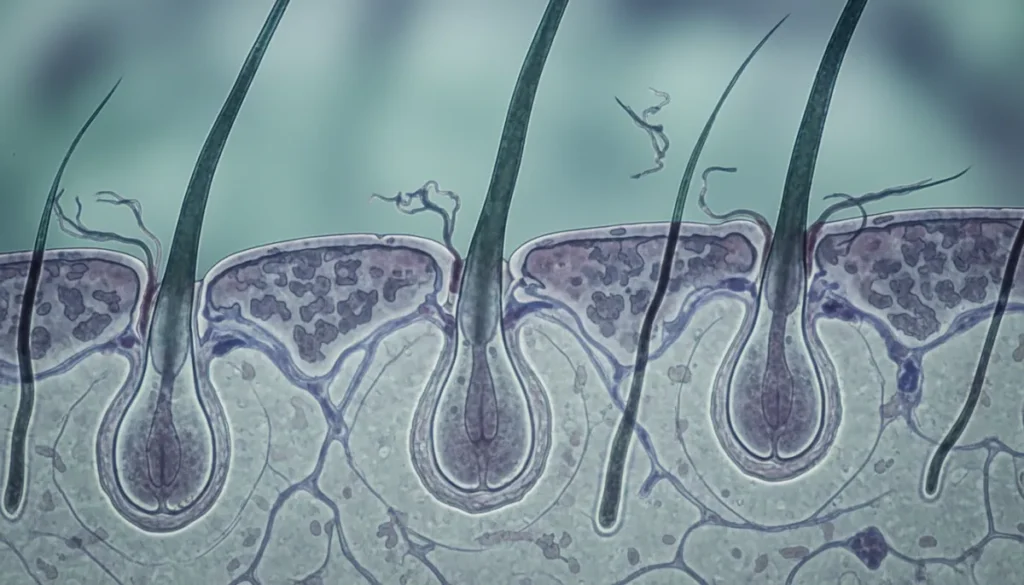
Research indicates that chronic elevation of cortisol can push follicles into the telogen phase within weeks, leading to the classic “hair shedding” pattern seen in many depressed patients. While does stress cause hair loss is a common query, the answer is nuanced: stress alone may not cause permanent baldness, but it can certainly accelerate shedding and thin existing hair.
Recognizing Stress‑Related Hair Loss Patterns
Identifying whether depression is behind your hair loss involves observing the pattern and timing of shedding. Telogen effluvium typically presents as diffuse thinning across the scalp, often noticeable a few months after a major depressive episode or a significant life stressor. In contrast, alopecia areata can appear as round, smooth patches and may be triggered by autoimmune reactions intensified by stress.
| Hair Loss Type | Typical Trigger | Pattern | Recovery Time |
|---|---|---|---|
| Telogen Effluvium | Acute emotional stress, depression | Diffuse shedding, hair on pillow | 3‑6 months |
| Alopecia Areata | Autoimmune flare, severe stress | Round patches, sudden loss | Variable, may be chronic |
| Androgenetic Alopecia | Genetics, hormonal imbalance | Receding hairline, crown thinning | Progressive |
If you notice hair falling out in clumps or a sudden increase in shedding after a depressive episode, it is likely a stress‑induced condition. While can stress cause hair thinning is often answered affirmatively, the degree of thinning depends on individual susceptibility, genetic background, and the duration of the depressive state.
Lifestyle Factors That Amplify Hair Loss During Depression
Depression often brings lifestyle habits that unintentionally worsen hair health. Poor dietary choices, irregular sleep, and substance use can all compound the hormonal disturbances already at play.
- Nutrition: Low intake of iron, protein, and essential fatty acids reduces the building blocks for keratin.
- Sleep deprivation: Disrupts the body’s repair cycles, including those of hair follicles.
- Smoking and alcohol: Increase oxidative stress, impairing blood flow to the scalp.
- Medications: Certain antidepressants (e.g., SSRIs) have been reported to cause hair thinning as a side effect.
Addressing these factors can mitigate the impact of depression on hair. For instance, incorporating iron‑rich foods like spinach, lean meats, and legumes can counteract the nutrient deficiency often seen in depressive patients. Regular aerobic exercise not only improves mood but also enhances circulation to the scalp, supporting follicle vitality.
By consciously improving these lifestyle components, you can reduce the severity of stress‑related hair loss and create a more favorable environment for hair regrowth.
When to Seek Professional Help: Diagnosis and Treatment Options
If hair shedding persists beyond three months or you notice patchy loss, it is time to consult a specialist. Dermatologists can perform a trichoscopic examination, pull test, and blood work to rule out underlying conditions such as thyroid disorders or anemia that may coexist with depression.
Treatment pathways vary depending on the diagnosis:
- Medical Management: Addressing hormonal imbalances with cortisol‑modulating agents or supplementing iron and vitamin D.
- Topical Therapies: Minoxidil 5 % solution can stimulate follicles and shorten the telogen phase.
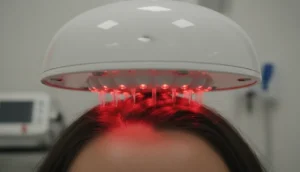
- Low‑Level Laser Therapy (LLLT): Non‑invasive light therapy that improves scalp circulation.
- Hair Transplant Procedures: For permanent restoration, techniques such as Follicular Unit Extraction (FUE) or Direct Hair Implantation (DHI) offer natural‑looking results.
Gold City Hair specializes in FUE and DHI transplants, providing personalized treatment plans that consider both the physical and emotional aspects of hair loss. Early intervention can prevent permanent follicular damage and improve overall confidence.
Preventive Strategies and Self‑Care for Hair Health
While professional treatment is valuable, many preventive measures can be incorporated into daily routines to protect hair during depressive episodes.
- Stress Management: Mindfulness meditation, yoga, and cognitive‑behavioral therapy (CBT) reduce cortisol spikes.
- Scalp Care: Gentle shampooing, occasional scalp massage, and avoiding tight hairstyles minimize mechanical stress.
- Supplements: Biotin, omega‑3 fatty acids, and a multivitamin tailored to hair health support follicle nutrition.
- Regular Check‑ups: Periodic blood tests to monitor iron, thyroid, and vitamin D levels.
Combining these habits with a supportive mental health plan creates a holistic approach that addresses both the cause and the symptom of hair loss. Remember, the question can depression lead to hair loss is answered affirmatively, but the outcome is modifiable with timely care.
Why Choose Gold City Hair
At Gold City Hair, we combine cutting‑edge transplant techniques with a compassionate, patient‑first philosophy. Since 2017, our clinic in Turkey has delivered personalized FUE and DHI solutions, ensuring each client receives a treatment plan that respects both their medical history and emotional well‑being. Our transparent communication, experienced surgeons, and state‑of‑the‑art facilities make us a trusted partner for those seeking lasting hair restoration.
Ready to take control of your hair health? Contact Gold City Hair today for a confidential consultation and discover a personalized pathway to fuller, healthier hair.
FAQ
Can depression lead to hair loss?
Yes, depression can trigger hair loss through hormonal changes, stress, and poor lifestyle habits.
Does stress cause hair loss?
Stress can accelerate hair shedding, especially through telogen effluvium, but it rarely causes permanent baldness on its own.
What is telogen effluvium?
Telogen effluvium is a temporary form of hair loss where many hairs enter the resting phase and fall out simultaneously.
How can I treat hair loss caused by depression?
Treating depression‑related hair loss involves managing stress, improving nutrition, and using medical or cosmetic hair‑restoration options.
When should I see a doctor for hair loss?
If shedding continues beyond three months, appears patchy, or is accompanied by other symptoms, schedule a medical evaluation.
Can stress cause hair thinning?
Stress can lead to hair thinning by shortening the growth phase and increasing shedding, but it usually does not cause complete baldness.