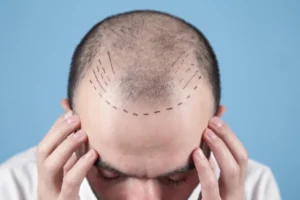
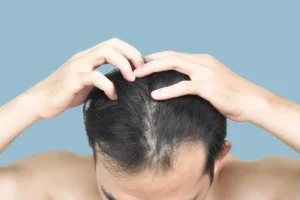
In recent years, a baldness breakthrough has reshaped the landscape of hair loss solutions, delivering hope to millions who struggle with thinning or receding hair. This article explores the scientific foundations, cutting‑edge procedures, and practical considerations that define today’s most effective approaches. Whether you are seeking a permanent cure for male‑pattern baldness or looking for the latest hair loss cure, understanding these advances can guide you toward a confident future.
Hair loss affects roughly 30% of men by age 30 and up to 70% by age 50, making it one of the most common cosmetic concerns worldwide. Traditional remedies often fell short, but the emergence of advanced hair transplant methods, combined with innovative drug therapies, marks a pivotal shift. In this guide, we break down the key components of the breakthrough, from cellular research to surgical precision, and outline what you can expect when you choose a reputable clinic.
Read on to discover how modern science, refined techniques, and personalized care converge to create lasting, natural‑looking results.
Understanding the Science Behind the Baldness Breakthrough
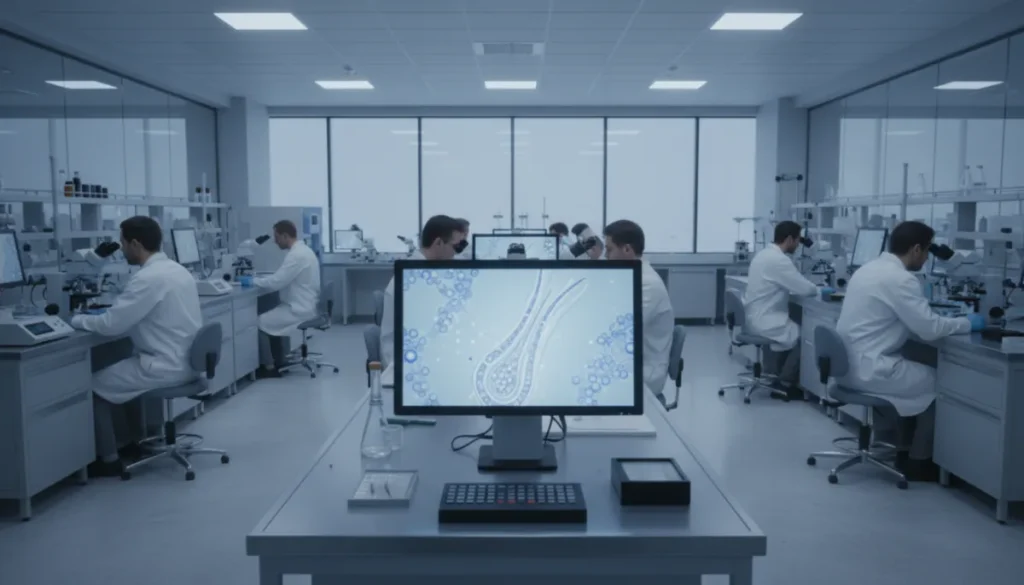
The term baldness breakthrough encompasses several scientific milestones that have collectively transformed hair restoration. Researchers have identified the role of stem cells, growth factors, and genetic pathways in hair follicle regeneration, leading to more predictable outcomes.
- Stem‑cell activation: Novel compounds stimulate dormant follicular stem cells, encouraging new hair growth.
- Platelet‑rich plasma (PRP): Concentrated growth factors improve scalp vascularity and support graft survival.
- Gene‑targeted therapies: Ongoing trials investigate silencing the DHT‑related gene pathways responsible for male‑pattern baldness.
These advances underpin the most effective baldness therapy options available today, allowing clinicians to tailor treatments based on individual scalp biology.
How Modern Hair Transplant Techniques Deliver Results
Contemporary hair transplant procedures have become the cornerstone of the baldness breakthrough, offering permanent, natural‑looking density. Two primary techniques dominate the field: Follicular Unit Extraction (FUE) and Direct Hair Implantation (DHI).
| Technique | Key Benefits | Typical Recovery Time |
|---|---|---|
| FUE | Minimally invasive, no linear scar, high graft survival | 7‑10 days |
| DHI | Direct implantation, precise angle control, faster session | 5‑8 days |
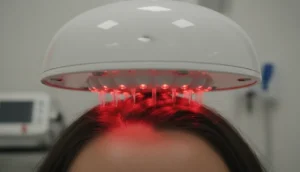
Both methods rely on the same fundamental principle: transplanting healthy follicular units from a donor area (usually the back of the scalp) to balding zones. The new hair growth drug research supports higher graft retention when combined with PRP or low‑level laser therapy, further enhancing the breakthrough’s effectiveness.
Choosing the Right Baldness Therapy for Your Needs
When evaluating a treatment for balding hair, it is essential to consider the severity of loss, scalp condition, and personal goals. Below is a decision framework to help you select the most appropriate option.
- Early‑stage thinning: Topical solutions such as minoxidil or emerging peptide serums may suffice.
- Moderate recession: Combination therapy—oral finasteride plus PRP—offers a hair loss cure for many men.
- Advanced baldness: Surgical hair transplant (FUE or DHI) provides the most permanent solution.
Recent studies highlight a new hair loss treatment involving a synthetic deoxyribose sugar gel that enhances follicle resilience, though it remains supplementary to established methods.
What to Expect During Your Treatment Journey
The pathway from initial assessment to post‑procedure care is streamlined to maximize comfort and results. Below is a typical timeline for a comprehensive baldness breakthrough program.
- Initial Screening: Medical history, scalp analysis, and photographic documentation.
- Treatment Planning: Customized map of graft placement based on donor density.
- Surgical Day: Local anesthesia, extraction, and implantation performed in a single session.
- Recovery Phase: Gentle washing, avoidance of direct sun, and optional PRP sessions.
- Follow‑up: Monthly evaluations for the first six months to monitor growth.
Patients often report visible regrowth within three to four months, with full maturation by twelve months. Consistent after‑care, including scalp moisturization and balanced nutrition, reinforces the long‑term benefits of the breakthrough.
Maintaining Long‑Term Success After a Baldness Breakthrough Procedure
Achieving a successful outcome is only the beginning; sustained results rely on ongoing scalp health and lifestyle choices.
- Nutrition: Adequate protein, biotin, and omega‑3 fatty acids support follicle vitality.
- Stress Management: Chronic stress can trigger telogen effluvium, undermining graft retention.
- Sun Protection: UV exposure damages scalp skin; daily sunscreen is advisable.
- Periodic Boosters: Annual PRP or low‑level laser sessions can prolong density.
By integrating these practices, patients reinforce the effects of the baldness breakthrough and maintain a natural, full‑head appearance for years to come.
Why Choose Gold City Hair for Your Hair Restoration
Gold City Hair has been delivering personalized hair restoration solutions since 2017, combining the latest baldness breakthrough technologies with a patient‑first approach. Our clinic specializes in FUE and DHI procedures, ensuring minimal downtime and natural results. Transparent communication, meticulous planning, and a commitment to safety set us apart, making us a trusted destination for individuals seeking lasting confidence through hair restoration.
Ready to experience the latest breakthrough in hair restoration? Contact Gold City Hair today to schedule your personalized consultation and take the first step toward a fuller, more confident you.
FAQ
What is the baldness breakthrough in hair restoration?
It refers to recent scientific advances—stem‑cell activation, PRP, and gene‑targeted therapies—that dramatically improve hair‑follicle regeneration.
How do FUE and DHI hair transplant techniques differ?
FUE extracts follicles with a micro‑punch and leaves no linear scar, while DHI implants follicles directly using a pen‑like device for precise angle control.
What are the benefits of PRP therapy for hair loss?
PRP delivers concentrated growth factors that improve scalp blood flow, support graft survival, and stimulate natural hair growth.
Which hair loss treatment is best for early‑stage thinning?
Topical minoxidil or peptide serums are usually first‑line, sometimes combined with low‑level laser therapy.
What is the typical recovery time after a hair transplant?
Most patients resume normal activities within 7‑10 days, with full graft maturation by 12 months.
How can I maintain results after a hair restoration procedure?
Maintain a balanced diet, manage stress, protect the scalp from UV, and schedule periodic PRP or laser booster sessions.
Are there any new drug therapies for hair loss on the horizon?
Yes, experimental compounds targeting stem‑cell pathways and synthetic deoxyribose sugar gels are being studied.