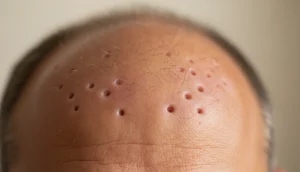
When you search for pictures of telogen effluvium, you’re looking for visual clues that explain why hair suddenly thins or sheds. Telogen effluvium is a common, reversible form of hair loss that often catches people off guard, especially after a stressful event or illness. According to dermatology studies, up to 30% of women experience noticeable shedding within three months of a major stressor.
This article walks you through the science behind telogen effluvium, how to recognize its signs using clear images, the typical triggers, and the most effective treatment pathways. By the end, you’ll know when to seek professional help and how Gold City Hair can support your journey back to fuller, healthier hair.
We’ll also provide practical tips for managing hair shedding at home, and a quick reference table to compare treatment options. Let’s start by defining the condition and its underlying mechanisms.
What Is Telogen Effluvium?
Telogen effluvium is a temporary disruption of the hair growth cycle that pushes a larger-than‑usual number of hairs into the resting (telogen) phase. Normally, about 10% of scalp hairs are in telogen, but during an episode this can rise to 30% or more, leading to visible thinning.
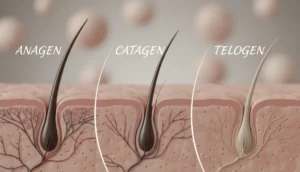
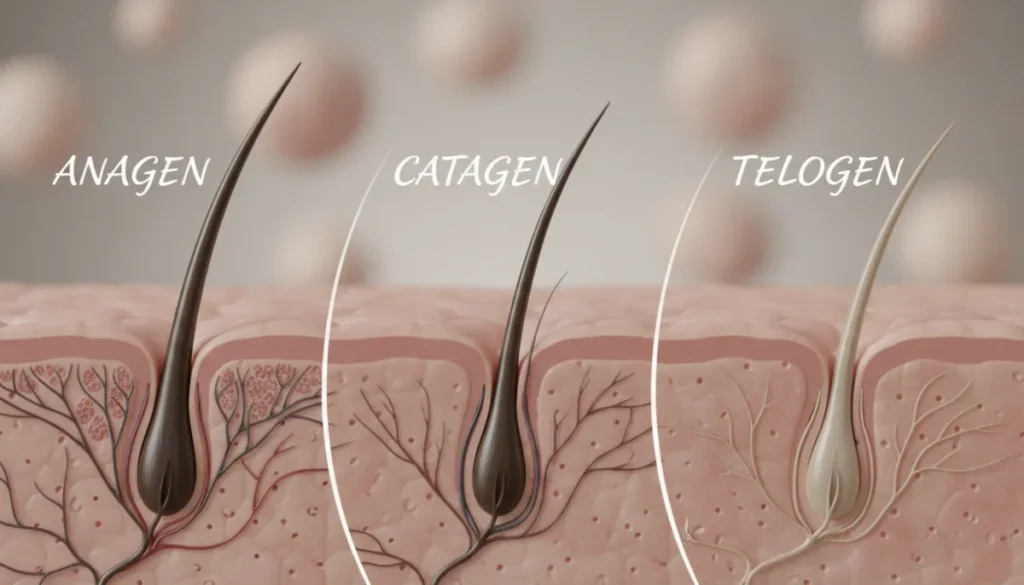
The hair cycle consists of three phases: anagen (growth), catagen (transition), and telogen (rest). When a trigger—such as severe stress, fever, or hormonal change—occurs, follicles prematurely enter telogen. After 2‑4 months, these hairs shed, often in clumps during washing or brushing.
- Typical onset: 2‑3 months after the trigger
- Peak shedding: 3‑6 months
- Recovery: 6‑12 months if the cause is removed
| Anagen | 2‑7 years | Active growth, longest hairs |
| Catagen | 2‑3 weeks | Transition, follicle shrinks |
| Telogen | 2‑4 months | Resting, hair ready to shed |
Understanding this cycle helps explain why the condition is usually self‑limiting: once the underlying stressor resolves, follicles re‑enter anagen and normal growth resumes.
Recognizing the Signs – Visual Symptoms and Pictures
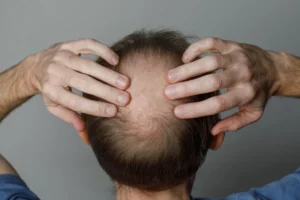
Seeing pictures of telogen effluvium can be reassuring because the visual pattern is distinct from other forms of alopecia. The shedding typically appears as diffuse thinning across the crown rather than distinct bald patches. You may notice increased hair on your pillow, in the shower drain, or on your brush.
Key visual cues include:
- Uniform thinning on the top of the head, especially the vertex
- Hair strands that are short (1‑3 cm) when they fall out
- No inflammation, scaling, or scarring on the scalp
- Hair density remains normal at the hairline and temples
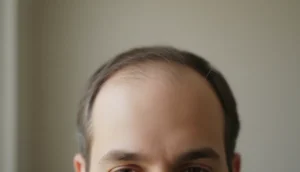
Below is a comparison of telogen effluvium versus pattern hair loss, using side‑by‑side images. While both result in reduced hair volume, the distribution and progression differ markedly.
| Condition | Typical Pattern | Visual Indicator |
|---|---|---|
| Telogen Effluvium | Diffuse thinning, especially mid‑scalp | Even shedding, no distinct bald spots |
| Androgenetic Alopecia | Receding hairline, crown balding | Gradual thinning in predictable zones |
When you compare these images, the lack of a defined pattern in telogen effluvium becomes clear. If you notice sudden, widespread shedding, documenting the extent with photos can be helpful for a dermatologist or hair restoration specialist.
Common Triggers: Stress, Illness, and Lifestyle Factors
Many patients wonder, “does stress cause hair loss?” The answer is yes—psychological or physical stress can precipitate telogen effluvium. The body’s stress response elevates cortisol and inflammatory cytokines, which can push hair follicles into the telogen phase.
Other frequent triggers include:
- Fever or severe infection (e.g., COVID‑19, influenza)
- Major surgery or anesthesia
- Rapid weight loss or restrictive diets
- Hormonal shifts such as postpartum changes
- Medications like anticoagulants, retinoids, or beta‑blockers
Below is a quick reference of common causes and the typical timeframe for shedding to begin.
| Trigger | Typical Onset of Shedding | Duration of Episode |
|---|---|---|
| Acute stress (emotional) | 2‑3 months | 6‑12 months |
| High fever/illness | 1‑2 months | 6‑9 months |
| Post‑partum hormonal shift | 2‑4 months | 6‑12 months |
| Medication side‑effects | 1‑3 months | Variable |
Identifying the underlying cause is essential because removing or mitigating the trigger often halts further shedding and speeds recovery.
Treatment Options and Managing Hair Shedding
While telogen effluvium often resolves on its own, several interventions can accelerate regrowth and reduce the visible impact. The first step is to address the root cause—whether that means managing stress, adjusting medication, or treating an underlying thyroid condition.
Common treatment strategies include:
- Topical minoxidil: Increases blood flow to follicles and can shorten the telogen phase.
- Supplementation with biotin, zinc, and iron (especially if labs show deficiency).
- Low‑level laser therapy (LLLT) to stimulate cellular activity.
- Stress‑reduction techniques: mindfulness, yoga, or counseling.
- Gradual nutritional improvements: balanced protein intake, omega‑3 fatty acids.
For patients who experience prolonged shedding beyond 12 months, a more targeted approach may be needed. Below is a comparison of conservative versus medical interventions.
| Approach | Typical Duration | Expected Outcome |
|---|---|---|
| Observation & lifestyle changes | 3‑6 months | Gradual return to baseline density |
| Topical minoxidil (5%) | 4‑6 months | Noticeable reduction in shedding, early regrowth |
| LLLT (3‑4 sessions/week) | 6‑9 months | Improved follicle health, faster regrowth |
| Combination therapy (minoxidil + supplements) | 5‑8 months | Synergistic effect, quicker visual improvement |
In practice, many clinicians recommend starting with minoxidil and a nutritional assessment, then adding laser therapy if progress stalls. Consistency is key—results often become visible after 4‑6 months of regular use.
When to Seek Professional Help – Role of Hair Restoration Clinics
If shedding persists beyond a year, or if you notice additional symptoms such as scalp itching, redness, or sudden bald patches, it’s time to consult a specialist. Dermatologists and hair restoration clinics can perform a pull test, trichoscopy, and blood work to rule out other conditions like alopecia areata or scarring alopecia.
Gold City Hair offers a comprehensive evaluation that includes:
- Detailed medical history and trigger analysis
- High‑resolution scalp imaging (including the pictures of telogen effluvium you may have taken)
- Personalized treatment plan combining medical therapy and, when appropriate, advanced hair transplant techniques (FUE, DHI)
- Follow‑up monitoring to track regrowth progress
Choosing a clinic with expertise in both medical management and surgical restoration ensures that you receive the most appropriate care at every stage of your hair health journey.
Why Choose Gold City Hair
Gold City Hair has been delivering personalized hair restoration solutions in Turkey since 2017. Our team combines medical expertise with cutting‑edge transplant techniques such as FUE and DHI, ensuring each patient receives a treatment plan tailored to their unique condition. Transparent communication, a focus on patient comfort, and a commitment to natural‑looking results set us apart as a trusted partner for anyone dealing with hair loss, including telogen effluvium.
Ready to regain confidence and restore your hair? Contact Gold City Hair today for a personalized consultation and discover the most effective path to recovery.
Click the button below to schedule your appointment and start your journey toward healthier hair.
FAQ
What is telogen effluvium and how does it differ from other hair loss types?
Telogen effluvium is a temporary, reversible form of hair loss where many hairs enter the resting (telogen) phase, causing diffuse shedding, unlike patterned loss such as androgenetic alopecia.
What are the common triggers that cause telogen effluvium?
Common triggers include severe stress, high fever or infection, major surgery, rapid weight loss, hormonal changes (e.g., postpartum), and certain medications.
How can I recognize telogen effluvium through pictures or visual signs?
Look for diffuse thinning across the mid‑scalp, uniform short hair strands shedding, no inflammation, and normal hair density at the hairline and temples.
What treatment options are effective for telogen effluvium?
Treatments include addressing the root cause, topical minoxidil, nutritional supplements, low‑level laser therapy, and stress‑reduction techniques.
When should I seek professional help for hair shedding?
If shedding continues beyond 12 months, or if you notice scalp irritation, bald patches, or other symptoms, consult a dermatologist or hair restoration clinic.
How does Gold City Hair help patients with telogen effluvium?
Gold City Hair provides a full evaluation, scalp imaging, personalized medical and surgical treatment plans, and ongoing monitoring to restore hair density.