Black male hair thinning treatment is a concern that affects confidence and self‑image for many men of African descent. Understanding why hair loss occurs, what options are available, and how to choose the right approach can make a lasting difference. In the United States alone, up to 40 % of black men experience noticeable thinning by age 35, highlighting the need for targeted solutions.
This article explores the science behind hair loss in black men, reviews both non‑surgical and surgical interventions, and provides practical guidance for maintaining healthy hair after treatment. Whether you are seeking topical products, oral medications, or a state‑of‑the‑art hair transplant, the information here will help you make an informed decision.
We will also discuss lifestyle factors that influence hair health, such as nutrition, scalp care, and protective styling. By the end, you will have a clear roadmap for addressing thinning hair and restoring a fuller, more resilient look.
Understanding Hair Thinning in Black Men
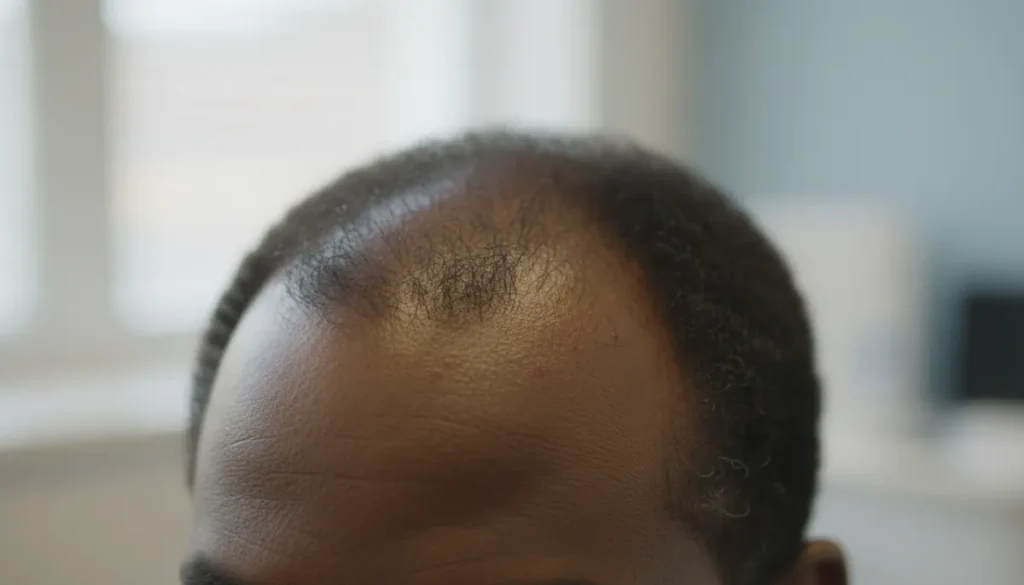
Hair thinning in men of African heritage often follows a pattern that differs from the classic “male pattern baldness” seen in other ethnic groups. The hair shaft is naturally more curved, and the follicles are deeper in the scalp, which can make the scalp more susceptible to inflammation and breakage.
Key points to consider include:
- Genetic predisposition: While genetics play a role, the specific genes influencing hair density in black men are still under study.
- Scalp health: Conditions such as seborrheic dermatitis and folliculitis are more prevalent and can accelerate thinning.
- Hair care practices: Frequent use of tight braids, chemical relaxers, and heat styling can cause traction alopecia, a leading cause of hair loss in this population.
Understanding these factors helps clinicians tailor a hair loss treatment plan that addresses both the underlying cause and the visible symptoms. Non‑surgical options like minoxidil, low‑level laser therapy, and specialized hair growth products are often the first line of defense.
Causes Specific to Black Male Hair Loss
While many causes of hair loss are universal, several factors are uniquely prevalent among black men:
- Traction alopecia: Repeated tension from hairstyles such as cornrows, dreadlocks, or tight ponytails can damage follicles over time.
- Chemical processing: Relaxers and dyes can weaken hair shafts, leading to breakage and reduced density.
- Scalp inflammation: Higher incidence of conditions like psoriasis and eczema can disrupt the hair growth cycle.
- Nutrition deficiencies: Low levels of iron, zinc, and vitamin D are linked to slower hair growth.
Addressing these causes often begins with lifestyle adjustments. For example, switching to low‑tension hairstyles, limiting chemical treatments, and incorporating a balanced diet rich in omega‑3 fatty acids can significantly improve hair health.
When these measures are insufficient, clinicians may recommend medical therapies. Finasteride for hair loss is effective for many men, though its use should be discussed with a healthcare professional due to potential side effects. Topical minoxidil remains a cornerstone for stimulating regrowth in thinning areas.
Effective Non‑Surgical Treatments
Non‑surgical approaches are often the first step in a black male hair thinning treatment plan. They can be combined or used sequentially for optimal results.
Topical Solutions
Minoxidil (2 % or 5 %) is FDA‑approved and works by widening blood vessels, increasing nutrient flow to follicles. Consistent twice‑daily application can yield visible regrowth within 3–6 months.
Oral Medications
Finasteride (1 mg daily) inhibits the conversion of testosterone to dihydrotestosterone (DHT), a hormone that shrinks hair follicles. Clinical studies show a 30 %–45 % improvement in hair density when used long‑term.
Low‑Level Laser Therapy (LLLT)
LLLT devices emit red light at wavelengths that stimulate cellular metabolism in the scalp. A typical regimen involves 15‑minute sessions three times per week.
Supplements and Vitamins
Biotin, saw palmetto, and marine‑derived omega‑3s are popular for supporting hair growth. While not a cure, they can complement other treatments.
| Treatment | Method | Typical Onset | Key Benefits |
|---|---|---|---|
| Minoxidil | Topical | 3–6 months | Stimulates follicle activity, easy to use |
| Finasteride | Oral | 4–12 months | Reduces DHT, slows progression |
| LLLT | Device | 2–4 months | Non‑invasive, painless |
| Supplements | Oral | Varies | Supports overall hair health |
These options can be tailored to individual needs, and many patients see measurable improvement without surgery.
When to Consider a Hair Transplant
For men whose thinning has progressed despite diligent non‑surgical care, a hair transplant may provide a lasting solution. Modern techniques such as Follicular Unit Extraction (FUE) and Direct Hair Implantation (DHI) are especially effective for black hair, which requires careful handling due to its curvature.
Assessing Suitability
Key factors include:
- Donor area density: Sufficient healthy follicles in the back or sides of the scalp.
- Scalp elasticity: Determines how easily grafts can be placed.
- Overall health: Absence of uncontrolled medical conditions.
FUE vs. DHI
Both techniques harvest individual follicles, but DHI uses a specialized implanter that allows for deeper, more precise placement—an advantage for the tightly coiled hair of black men.
| Technique | Extraction Method | Implant Precision | Ideal For |
|---|---|---|---|
| FUE | Punch tool (0.8‑1.0 mm) | High | Standard cases, moderate density |
| DHI | Choi implanter pen | Very High | Curly/coily hair, high density |
Recovery time is typically 7‑10 days, with most patients returning to normal activities within two weeks. Long‑term results can be natural‑looking and permanent, as transplanted follicles retain their resistance to DHT.
Post‑Treatment Care and Lifestyle Tips
Successful outcomes depend not only on the procedure but also on diligent after‑care. The following guidelines help preserve graft health and encourage natural hair growth.
Immediate Post‑Procedure Care
- Keep the scalp clean using a gentle, sulfate‑free shampoo.
- Avoid direct sun exposure for the first two weeks.
- Refrain from heavy exercise that causes excessive sweating.
Long‑Term Maintenance
Incorporate a balanced diet rich in protein, iron, and vitamins A, C, and E. Regular scalp massages can improve blood circulation, and using a silk or satin pillowcase reduces friction while sleeping.
Protective Styling
Choose low‑tension hairstyles and limit the use of heat tools. When using relaxers, opt for a milder formula and space treatments at least every 8‑10 weeks.
By following these practices, patients can maximize the benefits of their black male hair thinning treatment and maintain a healthier scalp for years to come.
Why Choose Gold City Hair
Gold City Hair combines over six years of experience with cutting‑edge FUE and DHI technologies tailored for black hair textures. Our team provides personalized consultations, transparent communication, and a commitment to natural‑looking results. Located in Turkey, we offer competitive pricing without compromising safety or quality, ensuring you receive world‑class care from start to finish.
Ready to take the next step toward a fuller, healthier head of hair? Contact Gold City Hair today to schedule your personalized assessment and discover the best black male hair thinning treatment plan for you.
Experience confidence restored—book your consultation now.
FAQ
What causes hair thinning specifically in black men?
Hair thinning in black men is influenced by genetics, scalp conditions, and hair‑care practices such as tight braids, chemical relaxers, and heat styling.
Which non‑surgical treatments are most effective for black male hair thinning?
Topical minoxidil, oral finasteride, low‑level laser therapy (LLLT), and targeted supplements are the most evidence‑based non‑surgical options.
How does low‑level laser therapy work for hair growth?
LLLT uses red light wavelengths to stimulate cellular activity in hair follicles, increasing blood flow and promoting the growth phase.
When should I consider a hair transplant for black hair?
Consider a transplant when thinning persists despite consistent non‑surgical care and you have sufficient donor density and scalp elasticity.
What is the difference between FUE and DHI for black hair?
Both harvest individual follicles, but DHI uses a Choi implanter pen for deeper, more precise placement, which benefits the tight curl pattern of black hair.
How can lifestyle changes improve hair health for black men?
Adopting low‑tension hairstyles, limiting chemical treatments, eating a nutrient‑rich diet, and protecting hair while sleeping can all boost scalp health and hair growth.