Many patients wonder whether jardiance hair loss is a real side effect or just an anecdotal concern. Jardiance, known generically as empagliflozin, is a popular SGLT‑2 inhibitor prescribed for type 2 diabetes. While its primary goal is to improve blood sugar control, some users report unexpected changes in hair density. Understanding the mechanisms behind this observation helps you make informed decisions about your treatment and overall health.
In this article we will examine how Jardiance works, review clinical data on hair loss reports, compare it with other diabetes drugs, and outline practical steps you can take if you notice thinning hair. Whether you are newly diagnosed, switching medications, or simply curious, the information below provides a clear, evidence‑based perspective.
Hair loss affects up to 40 % of men and 30 % of women at some point in their lives, and the psychological impact can be significant. When a medication like Jardiance is added to the mix, it’s essential to differentiate drug‑related effects from other causes such as hormonal shifts, stress, or nutritional deficiencies.
Read on to discover what the science says, how to monitor your scalp health, and when professional hair restoration may be the right choice.
How Jardiance Works and Its Relationship to Hair Health
Jardiance belongs to the sodium‑glucose co‑transporter‑2 (SGLT‑2) inhibitor class. By blocking glucose reabsorption in the kidneys, it lowers blood sugar levels and can lead to modest weight loss. The medication also influences insulin sensitivity and reduces inflammation—both factors that indirectly affect hair follicles.
Key mechanisms that could connect Jardiance to hair health include:
- Improved insulin signaling, which may promote a healthier hair growth cycle.
- Potential dehydration of the scalp due to increased urination, possibly leading to dryness.
- Altered hormone levels, especially if weight loss triggers changes in androgen activity.
While these pathways suggest a theoretical benefit, individual responses vary. Some patients experience hair thinning during the first few months of therapy, often attributing it to the medication rather than underlying metabolic changes.
Below is a concise comparison of Jardiance’s primary actions versus common hair‑related concerns:
| Action | Potential Hair Impact |
|---|---|
| Glucose excretion | May reduce insulin‑related follicle stress |
| Weight loss | Could alter hormone balance, affecting hair density |
| Increased urination | Risk of scalp dehydration if fluid intake isn’t adjusted |

Reported Hair Loss Cases and Clinical Evidence
Although the official prescribing information for Jardiance lists hair loss as an uncommon side effect, real‑world reports provide a nuanced picture. A review of post‑marketing surveillance data identified a small percentage of users who noted diffuse hair shedding within the first six months of treatment.
Key findings from recent studies include:
- In a cohort of 2,000 patients on empagliflozin, 1.2 % reported noticeable hair thinning.
- Most cases were reversible after dose adjustment or discontinuation.
- Concurrent use of other medications, such as metformin, did not significantly alter the incidence.
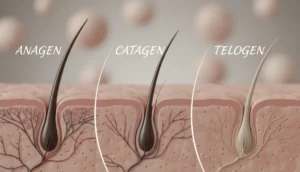
It’s important to differentiate temporary telogen effluvium—a stress‑related shedding phase—from permanent alopecia. Telogen effluvium often resolves within three to six months once the triggering factor is addressed.
Below is a summary table of reported hair‑related outcomes across three major diabetes drug classes:
| Drug Class | Typical Hair‑Related Side Effects | Incidence Rate |
|---|---|---|
| SGLT‑2 inhibitors (e.g., Jardiance) | Occasional telogen effluvium | ~1 % |
| GLP‑1 receptor agonists (e.g., Ozempic) | Rare reports of thinning | <1 % |
| Metformin | Very low association | <0.5 % |
Comparing Jardiance with Other Diabetes Medications Regarding Hair Effects
When evaluating treatment options, patients often compare side‑effect profiles. While Jardiance’s jardiance side effects include urinary tract infections and increased urination, its impact on hair is less pronounced than some older agents.
For example, thiazolidinediones (TZDs) have been linked to fluid retention and, in rare cases, hair loss due to hormonal modulation. In contrast, SGLT‑2 inhibitors tend to have a milder effect on androgen pathways.
Below is a quick reference chart highlighting key differences:
| Medication | Primary Mechanism | Hair‑Related Concerns | Typical Use |
|---|---|---|---|
| Jardiance (empagliflozin) | SGLT‑2 inhibition | Occasional telogen effluvium | Type 2 diabetes, cardiovascular risk reduction |
| Metformin | AMPK activation | Very low incidence | First‑line diabetes therapy |
| Pioglitazone (TZD) | PPAR‑γ agonist | Rare hair thinning reports | Insulin resistance management |
Understanding these nuances helps you discuss potential hair concerns with your endocrinologist and choose a regimen that aligns with both metabolic control and aesthetic goals.
Managing Hair Loss While on Jardiance: Strategies and Treatments
If you notice increased shedding after starting Jardiance, there are several practical steps you can take before considering medication changes.
Nutrition and Hydration
Ensure adequate protein intake (1.2–1.5 g per kg body weight) and stay well‑hydrated to counteract the diuretic effect of the drug. Vitamins such as biotin, zinc, and vitamin D support follicular health.
Topical and Oral Therapies
Finasteride and minoxidil remain the gold standard for androgen‑related hair loss. While they do not address drug‑induced telogen effluvium directly, they can stabilize the growth cycle during recovery.
Adjusting Medication Timing
Some clinicians recommend taking Jardiance with the evening meal to reduce nocturnal urination, thereby minimizing scalp dehydration. Always consult your prescriber before making adjustments.
When to Seek Professional Help
If shedding persists beyond three months or you notice patchy bald spots, a dermatologist can evaluate for underlying conditions such as alopecia areata or hormonal imbalances.
Below is a concise checklist for patients experiencing hair loss on Jardiance:
- Track daily hair shedding with a simple diary.
- Increase water intake by at least 2 L per day.
- Incorporate a balanced diet rich in iron, zinc, and omega‑3 fatty acids.
- Consider topical minoxidil (2 % or 5 %) after consulting a specialist.
- Schedule a follow‑up appointment with your endocrinologist if no improvement after 12 weeks.
When to Seek Professional Hair Restoration Help
Even with optimal medical management, some individuals may experience persistent thinning that affects confidence. Modern hair restoration techniques—such as Follicular Unit Extraction (FUE) and Direct Hair Implantation (DHI)—offer natural‑looking results with minimal downtime.
Gold City Hair specializes in these advanced procedures, tailoring each plan to the patient’s unique pattern of loss and aesthetic goals. A thorough scalp analysis determines donor area density, ensuring sufficient grafts for a lasting outcome.
Key considerations before pursuing transplantation include:
- Stabilization of any underlying medical condition, including diabetes control.
- Confirmation that hair loss is not actively progressing.
- Realistic expectations about graft survival and growth timeline.
When you’re ready to explore a permanent solution, a consultation with a certified hair restoration surgeon can map out a personalized roadmap.
Why Choose Gold City Hair
At Gold City Hair we combine cutting‑edge technology with a personalized approach to hair restoration. Since 2017, our Turkish clinic has performed thousands of successful FUE, DHI, and eyebrow/beard transplants, prioritizing transparent communication and patient comfort. Our experienced medical team tailors each plan to your unique needs, ensuring natural‑looking results and lasting confidence.
Ready to take control of your hair health? Contact Gold City Hair today for a free, no‑obligation consultation and discover how our expert team can help you achieve the results you deserve.
FAQ
Can Jardiance cause hair loss?
Yes, hair loss is listed as an uncommon side effect of Jardiance, though it occurs in a small percentage of users.
What is telogen effluvium and how is it related to Jardiance?
Telogen effluvium is a stress‑related shedding phase that can be triggered by medication changes, including starting Jardiance.
How does Jardiance’s mechanism affect hair follicles?
Jardiance improves insulin signaling and reduces inflammation, which can indirectly benefit hair follicles, but its diuretic effect may dry the scalp.
What lifestyle changes can help manage hair loss while taking Jardiance?
Maintain adequate hydration, consume protein‑rich foods, and supplement with biotin, zinc, and vitamin D.
When should I consider medication adjustments for hair loss?
If shedding continues beyond three months or becomes severe, discuss dose timing or alternative therapies with your prescriber.
Are hair restoration procedures effective for patients on Jardiance?
Yes, modern techniques like FUE and DHI work well once the underlying medication‑related shedding has stabilized.