When you search for 2000 hair grafts before and after images, you’re looking for concrete evidence that a hairline transplant can truly restore confidence. In this article, we break down what a 2000‑graft procedure entails, showcase typical visual outcomes, and explain the factors that shape those results. Understanding the process helps you set realistic expectations and choose the right clinic for a successful hair transplant.
Hair loss affects millions worldwide, and many men and women wonder whether a single session can deliver a dense, natural‑looking hairline. According to recent surveys, over 70% of patients who receive a well‑executed FUE or DHI transplant report satisfaction within six months. By focusing on the journey from the initial consultation to the final after‑photo, we aim to demystify the transformation.
Read on to explore the step‑by‑step experience, learn how healing influences the final picture, and see why Turkey has become a leading destination for hair restoration.
Understanding 2000 Graft Hair Transplant: What It Involves
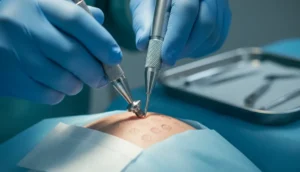
A 2000‑graft hair transplant is considered a medium‑to‑large session, suitable for covering a receding hairline, filling a crown, or adding volume to the top of the scalp. The most common techniques used are Follicular Unit Extraction (FUE) and Direct Hair Implantation (DHI). Both methods involve harvesting individual follicular units from a donor area—typically the back of the head—and implanting them into the balding zones.
Key steps include:
- Comprehensive scalp analysis to map out graft distribution.
- Designing a natural‑looking hairline that matches facial features.
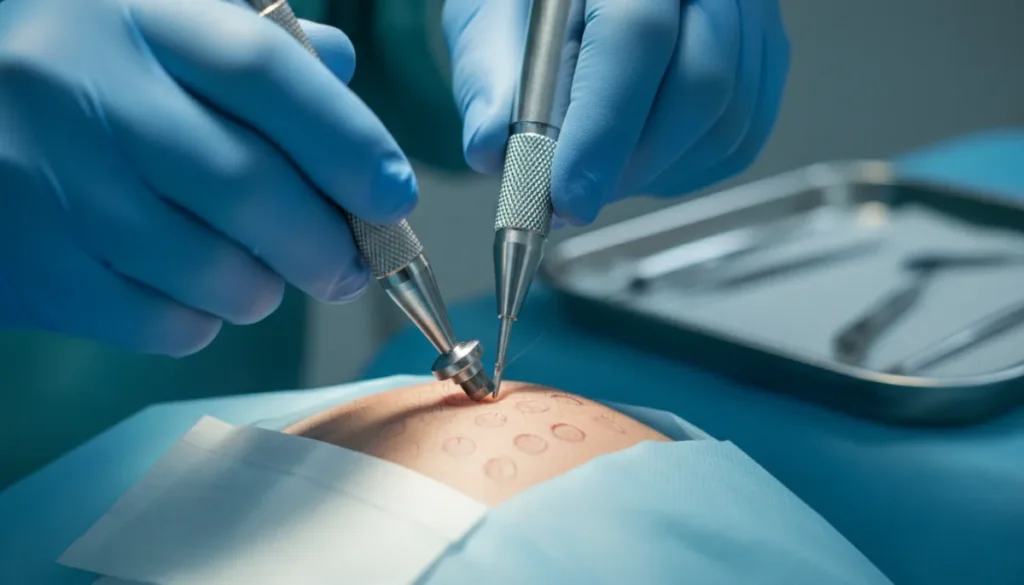
- Harvesting grafts using a micro‑punch tool (FUE) or a DHI implanter pen.
- Strategic implantation at varying angles and depths for realism.
- Post‑procedure care and monitoring.
Because each graft contains 1‑4 hairs, a 2000‑graft session typically yields between 2500 and 3000 new hairs. The density achieved depends on the surgeon’s skill, the quality of the donor area, and the patient’s scalp laxity. When performed correctly, the hair transplant before and after photos show a seamless blend with existing hair, eliminating visible gaps.
Below is a quick comparison of the two leading techniques used for a 2000‑graft case:
| Technique | Graft Extraction | Implantation Speed | Typical Recovery Time |
|---|---|---|---|
| FUE | Individual follicles using a 0.8‑1.0 mm punch | Moderate (requires manual placement) | 7‑10 days for mild redness |
| DHI | Follicles loaded into a pen‑style implanter | Fast (direct implantation) | 5‑8 days for minimal swelling |
Visualizing the Transformation: Before and After Gallery Insights
Seeing real 2000 hair grafts before and after photographs is the most convincing way to gauge potential outcomes. Most reputable clinics showcase a gallery that includes front, side, and top views taken at consistent lighting conditions. These images typically follow a timeline: pre‑procedure, 3‑month post‑op (early growth), 6‑month (mid‑term), and 12‑month (final result).
Common visual cues to look for:
- Hairline shape: A natural, slightly curved line that follows the forehead contour.
- Density progression: Gradual thickening without clumping, indicating proper graft spacing.
- Scarring visibility: Minimal in FUE/DHI, often invisible to the naked eye.
Below is a sample layout of a typical before‑and‑after set for a 2000‑graft transplant:
| Stage | What You See | Key Indicator |
|---|---|---|
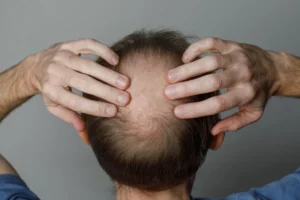
| Pre‑procedure | Receding hairline with visible scalp | Baseline for comparison |
| 3 Months | Fine, pinkish hairs emerging | Initial graft survival |
| 6 Months | Noticeable thickness, natural direction | Growth stabilization |
| 12 Months | Full, mature hair resembling native strands | Final result |
When reviewing a gallery, pay attention to lighting consistency and patient positioning; these factors prevent misleading impressions. Authentic clinics also provide patient testimonies alongside the photos, offering context about the healing process and satisfaction levels.
Factors Influencing Results: Technique, Density, and Healing
Not every hair transplant before and after picture tells the same story. Several variables shape the final appearance of a 2000‑graft procedure.
Technique selection matters. While FUE offers flexibility for large sessions, DHI can reduce handling time, potentially improving graft survival. Surgeons with extensive experience in both methods can tailor the approach to the patient’s scalp elasticity and donor hair quality.
Graft density is another critical factor. Over‑packing grafts can lead to poor blood flow, causing slower growth or follicle loss. Conversely, under‑packing may leave visible gaps. A typical target for a 2000‑graft session is 30‑35 grafts per cm² in the frontal zone, gradually decreasing toward the crown.
Post‑operative care plays a decisive role. Patients who follow prescribed medication regimens—such as anti‑inflammatory agents and minoxidil—often experience healthier growth. Avoiding direct sun exposure, smoking, and vigorous exercise for the first two weeks also supports optimal healing.
Lastly, individual biology influences outcomes. Factors like age, hormonal levels, and existing hair thickness affect how quickly transplanted follicles integrate. While most patients achieve satisfactory results, a small percentage may require a touch‑up session to fine‑tune density.
- Technique: FUE vs. DHI
- Density: 30‑35 grafts/cm² recommended
- Healing: Medication, lifestyle, and after‑care
- Biology: Age, hormones, donor quality
Recovery Timeline: What to Expect After a 2000 Graft Procedure
Understanding the recovery timeline helps patients set realistic expectations for the 2000 hair grafts before and after journey. The healing process can be divided into distinct phases:
Days 1‑3: Immediate Post‑Op
The scalp may appear reddened, with tiny scabs covering the implanted sites. Most patients experience mild soreness, which is manageable with prescribed pain relievers.
Days 4‑10: Early Healing
Scabs naturally fall off, revealing tiny pinkish hairs—often called “peach fuzz.” Swelling typically subsides by day 7, especially with DHI where minimal incisions are made.
Weeks 2‑4: Shedding Phase
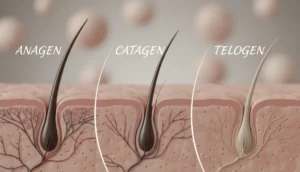
It is normal for the transplanted hairs to shed. This “shock loss” does not indicate failure; rather, it signals the follicles entering a new growth cycle.
Months 2‑6: Growth Phase
New hair shafts emerge, becoming thicker and darker over time. By the third month, most patients notice visible improvement in coverage.
Months 7‑12: Maturation
Hair reaches its final length and texture, matching surrounding native hair. The full aesthetic result is usually evident at the one‑year mark.
During the first two weeks, patients should follow these care guidelines:
- Sleep with the head elevated to reduce swelling.
- Gently rinse the scalp with a mild shampoo after 48 hours.
- Avoid tight hats or helmets that may disturb grafts.
- Refrain from swimming, saunas, and intense workouts for at least 10 days.
Adhering to these steps maximizes graft survival and contributes to the impressive hair transplant results showcased in before‑and‑after galleries.
Choosing the Right Clinic: Why Turkey and Gold City Hair Stand Out
Turkey has earned a reputation as a hub for high‑quality, affordable hair restoration, and Gold City Hair exemplifies this excellence. Since 2017, the clinic has specialized in FUE, DHI, and eyebrow/beard transplants, combining state‑of‑the‑art facilities with personalized patient care.
Key reasons to consider Gold City Hair for a 2000‑graft procedure include:
- Experienced surgeons with a track record of over 5,000 successful transplants.
- Transparent communication—from the initial screening to post‑operative follow‑up.
- Modern clinic environment adhering to international medical standards.
- Competitive pricing without compromising on quality or safety.
The clinic’s approach emphasizes a thorough pre‑operative assessment, ensuring the chosen graft count aligns with the patient’s donor capacity and aesthetic goals. By integrating advanced imaging tools, Gold City Hair can simulate expected outcomes, giving patients confidence before committing to the procedure.
Moreover, the after‑care team provides ongoing support, including medication guidance, scheduled check‑ups, and access to a private patient portal for progress tracking. This comprehensive service model contributes to consistently positive hair transplant before and after results for clients worldwide.
Why Choose Gold City Hair
Gold City Hair combines over six years of expertise with a patient‑first philosophy. Our team of certified surgeons uses the latest FUE and DHI techniques to deliver natural‑looking hairline restoration tailored to each individual. Transparency, safety, and personalized care are at the core of every treatment, ensuring you receive the confidence‑boosting results you deserve.
Ready to see your own 2000 hair grafts before and after transformation? Contact Gold City Hair today to schedule a free, no‑obligation consultation and take the first step toward a fuller, more confident you.
FAQ
What does a 2000 graft hair transplant involve?
It is a medium‑to‑large session that typically covers a receding hairline, crown, or top‑scalp area using FUE or DHI techniques.
How do FUE and DHI differ for a 2000 graft case?
FUE extracts follicles with a punch and requires manual placement, while DHI loads follicles into a pen for faster, direct implantation.
What should I look for in before‑and‑after photos?
Consistent lighting, multiple angles, and a timeline showing pre‑procedure, 3‑month, 6‑month, and 12‑month results.
What is the typical recovery timeline after 2000 grafts?
Healing phases span from immediate post‑op redness to full maturation at 12 months.
Why choose Gold City Hair in Turkey for a 2000 graft transplant?
Gold City Hair offers experienced surgeons, transparent care, modern facilities, and competitive pricing.