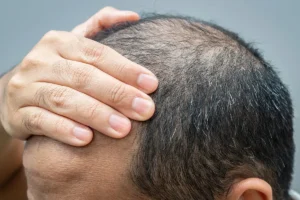
Autoimmune disease hair loss is a distressing condition where the body’s immune system mistakenly attacks hair follicles, leading to thinning, patchy baldness, or complete loss. For many, the sudden appearance of bald spots can be alarming, especially when it occurs alongside other systemic symptoms. This article explains how autoimmune disorders cause hair loss, the most common types, diagnostic approaches, medical and lifestyle treatments, and when a hair transplant may be the right solution.
According to recent dermatology studies, up to 2% of the global population experiences some form of autoimmune‑related alopecia, highlighting the importance of early recognition and targeted care. By understanding the underlying mechanisms, individuals can work with healthcare professionals to manage symptoms and preserve existing hair.
We will explore the science behind the condition, practical steps for diagnosis, and evidence‑based therapies—including the advanced hair restoration techniques offered by Gold City Hair.
How Autoimmune Disorders Trigger Hair Loss
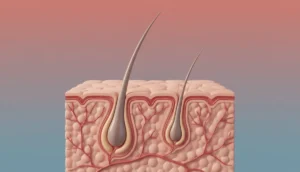
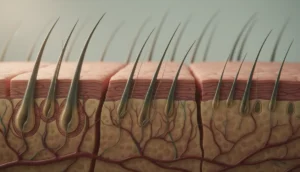
Autoimmune diseases disrupt normal immune regulation, causing immune cells to target the hair follicle as if it were a foreign invader. In the case of autoimmune disease hair loss, inflammatory cytokines infiltrate the follicle’s growth phase, shortening the anagen (growth) stage and inducing premature entry into the catagen (regression) phase. Over time, this cycle leads to follicular miniaturization and visible thinning.
Key mechanisms include:
- Autoantibody production: Antibodies mistakenly recognize follicular proteins, marking them for destruction.
- Cell‑mediated immunity: T‑cells release inflammatory signals that damage the hair bulb.
- Microvascular changes: Reduced blood flow deprives follicles of essential nutrients.
These processes are not limited to a single disease; conditions such as systemic lupus erythematosus, Hashimoto’s thyroiditis, and vitiligo can each precipitate hair loss. Recognizing the pattern of loss—whether diffuse thinning or patchy bald spots—helps clinicians differentiate autoimmune hair loss from other forms like androgenetic alopecia.
Common Types of Autoimmune-Related Alopecia
Autoimmune hair loss manifests in several distinct clinical forms, each with unique patterns and prognoses. Understanding these variations aids in selecting appropriate therapies.
Alopecia Areata
Alopecia areata is the most prevalent autoimmune hair disorder, characterized by sudden, round patches of hair loss on the scalp or body. While the exact trigger remains unclear, genetic predisposition and environmental stressors play roles. Approximately 60% of patients experience regrowth within a year, but chronic or extensive forms may persist.
Alopecia Totalis and Universalis
When alopecia areata progresses to involve the entire scalp (totalis) or the whole body (universalis), the condition becomes more challenging to treat. These severe variants often require systemic immunomodulatory therapies.
Lupus‑Related Hair Loss
Patients with systemic lupus erythematosus may develop diffuse thinning or discoid lesions that scar, leading to permanent loss. Managing lupus activity is essential to halt further follicular damage.
Other Autoimmune Triggers
Conditions such as thyroid disease, celiac disease, and vitiligo can also cause diffuse hair thinning. In many cases, addressing the underlying systemic disease improves hair density.
- Alopecia areata – patchy loss, often reversible.
- Alopecia totalis – complete scalp loss.
- Alopecia universalis – total body loss.
- Lupus‑related alopecia – scarring or non‑scarring.
Diagnosing Autoimmune Disease Hair Loss
Accurate diagnosis combines clinical examination, patient history, and targeted laboratory tests. Dermatologists first assess the pattern of loss and look for signs of inflammation or scarring. A scalp biopsy may be performed to confirm follicular attack and rule out other conditions.
| Diagnostic Tool | Purpose | Typical Findings in Autoimmune Hair Loss |
|---|---|---|
| Physical Examination | Identify pattern and severity | Patchy bald spots, exclamation‑mark hairs |
| Blood Tests | Detect autoantibodies, thyroid function | Elevated ANA, anti‑thyroid peroxidase antibodies |
| Scalp Biopsy | Histological confirmation | Perifollicular lymphocytic infiltrate |
| Dermatoscopy | Non‑invasive visual aid | Yellow dots, black dots, broken hairs |
Because autoimmune hair loss often co‑exists with systemic symptoms—such as joint pain, fatigue, or skin changes—physicians may also refer patients to rheumatologists or endocrinologists for comprehensive care. Early detection allows for timely intervention, which can preserve existing follicles and improve treatment outcomes.
Medical and Lifestyle Treatments for Autoimmune Hair Loss
Therapeutic strategies aim to suppress the misguided immune response, promote follicular regrowth, and address any underlying systemic disease. Treatment plans are individualized based on severity, disease activity, and patient preferences.
Topical and Intralesional Therapies
High‑potency corticosteroid creams or injections directly into affected patches can reduce inflammation and stimulate regrowth in early‑stage alopecia areata.
Systemic Immunomodulators
Medications such as methotrexate, azathioprine, or Janus kinase (JAK) inhibitors have shown promise in controlling extensive autoimmune hair loss. JAK inhibitors, in particular, have generated notable response rates in recent clinical trials.
Addressing Underlying Conditions
Optimizing thyroid hormone levels, managing lupus activity, or treating celiac disease often leads to measurable hair improvement, underscoring the importance of holistic care.
Lifestyle Adjustments
- Stress management: mindfulness, yoga, or counseling.
- Balanced nutrition: adequate protein, iron, zinc, and vitamin D.
- Avoid harsh hair practices: limit heat styling and tight hairstyles.
While many patients experience partial regrowth, some may continue to lose hair despite optimal medical therapy. In such cases, discussing surgical options becomes appropriate.
When to Consider Hair Transplant Solutions
For individuals with stable autoimmune disease hair loss—meaning the condition has been medically controlled for at least 12 months—hair transplantation can provide a permanent, natural‑looking solution. Techniques such as Follicular Unit Extraction (FUE) and Direct Hair Implantation (DHI) are performed at Gold City Hair with a focus on graft survival and aesthetic harmony.
Key considerations before proceeding include:
- Confirmation that the autoimmune activity is quiescent.
- Assessment of donor area density to ensure sufficient grafts.
- Realistic expectations regarding coverage and density.
During the consultation, our specialist team evaluates scalp health, reviews medical history, and designs a personalized transplant plan. The procedure is minimally invasive, typically completed in a single day, and followed by a structured after‑care protocol to support graft integration.
Patients who have undergone successful transplant at Gold City Hair report high satisfaction rates, with restored confidence and a natural hairline that blends seamlessly with existing hair.
Why Choose Gold City Hair
Gold City Hair has been delivering advanced hair restoration solutions in Turkey since 2017. Our clinic combines state‑of‑the‑art FUE and DHI techniques with a patient‑centered approach, ensuring transparent communication and personalized treatment plans. Whether you are managing autoimmune disease hair loss or seeking a permanent aesthetic solution, our experienced team provides expert care from diagnosis through post‑procedure support.
Ready to reclaim your confidence? Contact Gold City Hair today to schedule a comprehensive evaluation and explore the most effective options for your hair restoration journey.
Take the first step toward lasting results—our specialists are here to guide you every step of the way.
FAQ
What causes autoimmune disease hair loss?
Autoimmune hair loss occurs when the immune system mistakenly attacks hair follicles, leading to inflammation and premature hair cycle termination.
Which types of alopecia are considered autoimmune?
Alopecia areata, alopecia totalis, alopecia universalis, and lupus‑related alopecia are the main autoimmune forms.
How is autoimmune hair loss diagnosed?
Diagnosis combines clinical examination, blood tests for autoantibodies, dermatoscopy, and sometimes a scalp biopsy.
What medical treatments are available for autoimmune hair loss?
Topical steroids, intralesional injections, systemic immunomodulators, JAK inhibitors, and treatment of underlying diseases are used.
When is a hair transplant appropriate for autoimmune hair loss?
A transplant is considered once the autoimmune activity is stable for at least 12 months and donor density is adequate.