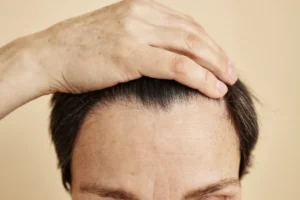
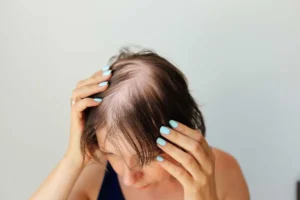
Many people wonder, does stem cell hair restoration work, and whether it can truly reverse hair loss. With hair loss affecting up to 70% of men and a significant portion of women, finding an effective solution is a top priority for millions worldwide. Recent advances in regenerative medicine have brought stem cell therapies into the spotlight, promising a less invasive alternative to traditional hair transplants.
In this article we will break down the science behind stem cell hair treatment, examine clinical evidence, compare it with established methods like FUE and DHI, and discuss potential benefits, risks, and costs. Understanding these factors will help you decide if this innovative approach aligns with your personal hair restoration goals.
Whether you are considering a stem cell injection for hair loss or simply curious about emerging technologies, the information below provides a comprehensive, evidence‑based overview.
Understanding Stem Cell Hair Restoration
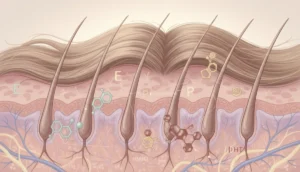
Stem cell hair restoration involves harvesting cells that have the ability to develop into various tissue types, then re‑injecting them into the scalp to stimulate dormant hair follicles. The most common sources are adipose‑derived stem cells (ADSCs) taken from a small amount of body fat, and sometimes platelet‑rich plasma (PRP) is combined to enhance growth factors.
During the procedure, a clinician isolates the stem cells, processes them, and delivers them via micro‑injections directly into the thinning areas. The goal is to create a favorable environment that encourages existing follicles to enter the growth phase (anagen) and, in some cases, to generate new follicles.
- Stem cell hair treatment – uses harvested cells to promote regeneration.
- Stem cell therapy for hair loss – focuses on stimulating natural hair growth.
- Hair loss stem cell injection – the delivery method for the regenerative cells.
| Component | Source | Purpose |
|---|---|---|
| Adipose‑Derived Stem Cells (ADSCs) | Patient’s own fat tissue | Regenerate follicular cells |
| Platelet‑Rich Plasma (PRP) | Patient’s blood | Supply growth factors |
| Exosomes | Cell‑derived vesicles | Enhance cell communication |
While the concept sounds promising, the question remains: does stem cell hair restoration work in real‑world settings? The answer depends on factors such as the patient’s age, degree of hair loss, and the quality of the stem cell preparation.

Scientific Evidence and Clinical Studies
Scientific literature on stem cell hair restoration is still emerging, but several small‑scale studies provide insight into its efficacy. A 2022 pilot study involving 30 participants reported an average increase of 18% in hair density after three monthly stem cell injections combined with PRP.
Another randomized controlled trial compared stem cell therapy with a placebo group and found statistically significant improvements in hair thickness and patient satisfaction in the treatment arm. However, many of these studies have limited sample sizes and short follow‑up periods, which makes it difficult to draw definitive conclusions about long‑term success.
Key findings from recent research include:
- Improved follicular activity measured by trichoscopic imaging.
- Reduced telogen (resting) phase duration, leading to longer anagen (growth) phases.
- Minimal adverse reactions, mostly limited to mild swelling at injection sites.
It is also worth noting the growing interest in exosomes for hair as a complementary component. Exosomes are tiny vesicles that carry signaling molecules, and early data suggest they may further boost the regenerative effect of stem cells.
Despite promising early results, the scientific community still calls for larger, double‑blind studies to confirm whether does stem cell hair restoration work consistently across diverse populations.
Comparing Stem Cell Therapy with Traditional Hair Transplant Techniques
Traditional hair transplantation methods such as Follicular Unit Extraction (FUE) and Direct Hair Implantation (DHI) involve moving hair follicles from a donor area to balding zones. These techniques have a long track record of success, with graft survival rates often exceeding 90% when performed by experienced surgeons.
Stem cell therapy, on the other hand, does not relocate follicles but aims to rejuvenate existing ones. This fundamental difference leads to distinct advantages and limitations:
| Aspect | Stem Cell Therapy | FUE / DHI Transplant |
|---|---|---|
| Invasiveness | Minimally invasive, no donor site | Surgical extraction, donor scar |
| Recovery Time | Few days of mild swelling | 7‑10 days for full recovery |
| Cost (average) | $2,000‑$4,000 per series | $4,000‑$10,000 per session |
| Long‑Term Results | Variable, depends on biology | Permanent grafts, predictable |
Patients who are not ideal candidates for a donor‑site harvest—such as those with extensive thinning or limited donor hair—may find stem cell therapy appealing. Conversely, individuals seeking immediate, dense coverage often opt for FUE or DHI.
Ultimately, the decision hinges on personal goals, budget, and the advice of a qualified specialist. While the question does stem cell hair restoration work continues to be explored, many clinicians now offer a combined approach, using stem cells to enhance the survival of transplanted grafts.
Potential Benefits, Risks, and Costs
When evaluating any medical procedure, it is essential to weigh the potential benefits against the risks and financial investment.
Benefits
- Non‑surgical, minimal downtime.
- May improve hair thickness and density without creating a donor scar.
- Can be repeated or combined with other treatments.
Risks and Side Effects
- Temporary redness, swelling, or bruising at injection sites.
- Possible infection if aseptic techniques are not strictly followed.
- Uncertain long‑term efficacy; results may vary widely.
Cost Considerations
Pricing for stem cell hair restoration varies based on the number of sessions, the technology used, and the clinic’s location. In Turkey, where Gold City Hair operates, typical packages range from $2,000 to $4,000 for a series of three to four sessions. This is generally lower than many Western markets but still represents a significant out‑of‑pocket expense.
Patients should also factor in follow‑up appointments and possible adjunct therapies such as PRP or low‑level laser therapy, which can add to the overall cost.
Given these variables, it is reasonable to ask again: does stem cell hair restoration work enough to justify the investment? The answer is nuanced—those with early‑stage thinning often see noticeable improvement, while advanced baldness may require supplemental procedures.
What to Expect During a Stem Cell Hair Restoration Procedure
The typical patient journey includes three main phases: consultation, treatment, and post‑procedure care.
Consultation
During the initial visit, a specialist evaluates your scalp condition, medical history, and hair loss pattern. High‑resolution trichoscopy images help determine whether you are a suitable candidate for stem cell therapy or if a combined approach is recommended.
Treatment Session
- Harvesting: A small amount of adipose tissue is gently liposuctioned from the abdomen or thigh.
- Processing: The tissue is processed in a sterile laboratory to isolate stem cells and, if chosen, exosomes.
- Injection: Using a fine‑gauge needle, the clinician injects the cell suspension into the scalp at strategic points.
- Adjuncts: Some clinics add PRP or low‑level laser therapy to boost results.
The entire session typically lasts 2‑3 hours, and most patients return to normal activities the next day.
Post‑Procedure Care
After treatment, you may experience mild swelling or redness, which usually resolves within 48 hours. A gentle shampooing routine and avoidance of direct sunlight for the first week are commonly advised. Follow‑up visits at 1‑month and 3‑month intervals allow the clinician to monitor progress and plan additional sessions if needed.
Consistent with the overarching question, many patients report visible improvements after a series of 3‑4 treatments, reinforcing the notion that does stem cell hair restoration work can be answered positively for a subset of individuals.
Why Choose Gold City Hair
Gold City Hair has been delivering personalized hair restoration solutions in Turkey since 2017. Our team combines expertise in FUE, DHI, and cutting‑edge regenerative therapies, ensuring each patient receives a treatment plan tailored to their unique needs. Transparency, safety, and results‑driven care are at the core of our practice, making us a trusted partner for those seeking effective hair loss solutions.
Ready to discover if stem cell hair restoration is right for you? Contact Gold City Hair today to schedule a comprehensive consultation and take the first step toward renewed confidence.
FAQ
Does stem cell hair restoration work?
Current studies show modest improvements in hair density, but results vary by individual.
What is the procedure for stem cell hair restoration?
It involves harvesting adipose tissue, isolating stem cells, and injecting them into the scalp.
How does stem cell therapy compare to FUE or DHI transplants?
Stem cell therapy is non‑surgical and aims to rejuvenate existing follicles, while FUE/DHI relocate donor follicles for permanent coverage.
What are the risks and side effects of stem cell hair restoration?
Side effects are generally mild, such as swelling, redness, or bruising at injection sites.
How much does stem cell hair restoration cost?
Typical packages range from $2,000 to $4,000 for a series of three to four sessions.
Can stem cell therapy be combined with traditional hair transplants?
Yes, many clinics use stem cells to improve graft survival in FUE or DHI procedures.
How many sessions are needed to see results?
Most protocols recommend 3‑4 sessions spaced a month apart before evaluating outcomes.