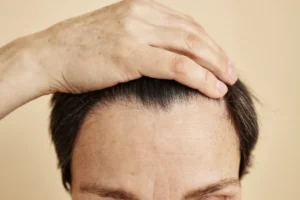
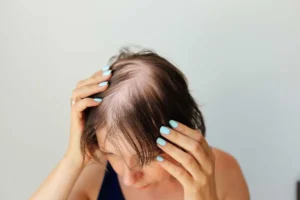
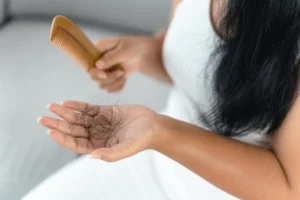
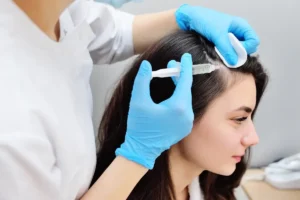
Experiencing female hair loss menopause can feel unsettling, especially when it coincides with other mid‑life changes. This article explains why hair thinning often intensifies during menopause, outlines the most common causes, and reviews both medical and natural strategies to regain a fuller look. According to recent dermatology surveys, up to 40 % of women notice noticeable hair shedding after the age of 50, making it one of the most frequent concerns in this age group.
We’ll start by looking at the hormonal shifts that drive the hair‑growth cycle, then move on to specific triggers such as stress, nutrition, and medical conditions. After that, you’ll discover a range of treatment options—from topical therapies and oral supplements to advanced procedures like hair transplantation performed by experts at Gold City Hair.
Understanding the underlying mechanisms empowers you to choose the right approach and restore confidence in your appearance.
Understanding Hormonal Changes and the Hair Growth Cycle
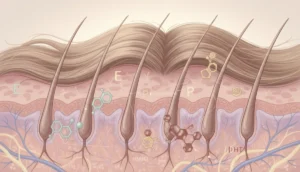
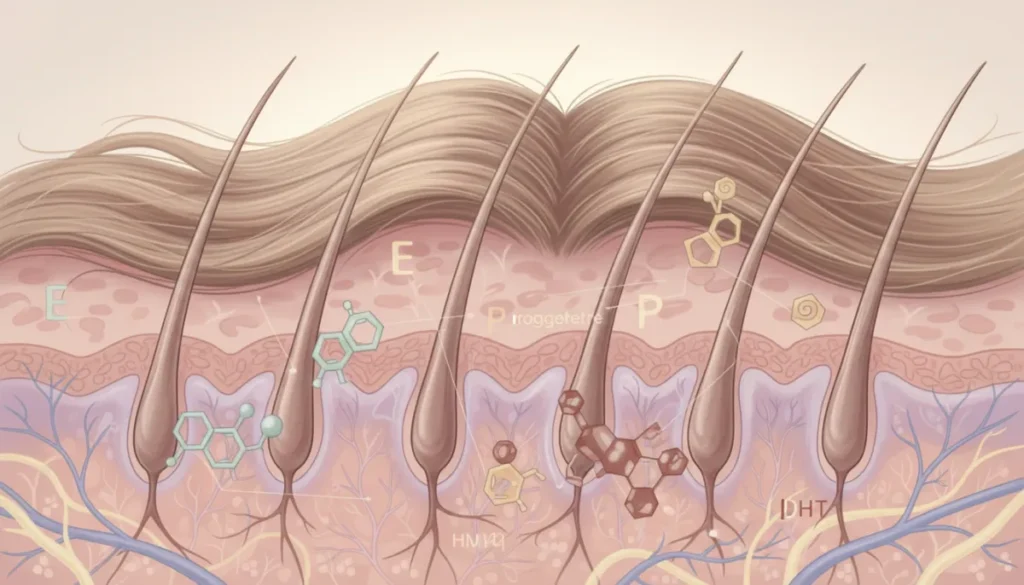
During the reproductive years, estrogen supports a prolonged anagen (growth) phase, keeping hair strands longer and thicker. As menopause approaches, estrogen levels decline while androgen activity may relatively increase, shortening the anagen phase and pushing more follicles into the telogen (resting) stage. This shift often results in diffuse thinning across the scalp, particularly at the crown and frontal hairline.
Key hormonal factors include:
- Estrogen – promotes hair shaft elongation and reduces follicle miniaturization.
- Progesterone – works synergistically with estrogen to maintain follicle health.
- Androgens (DHT) – can shrink follicles, leading to pattern‑type thinning.
Below is a simplified comparison of hormone levels before and after menopause and their typical impact on hair density.
| Hormone | Pre‑menopause Level | Post‑menopause Level | Effect on Hair |
|---|---|---|---|
| Estrogen | High | Low | Reduced anagen duration → thinning |
| Progesterone | Moderate | Low | Less support for follicle stability |
| Androgens (DHT) | Balanced | Relatively higher | Follicle miniaturization → pattern loss |
Recognizing these hormonal dynamics is the first step toward targeted interventions.
Common Causes of Hair Thinning During Menopause
While hormonal imbalance is the primary driver, several other factors often amplify hair loss in menopausal women. Understanding these contributors helps you address the problem from multiple angles.
Medical and Lifestyle Triggers
- Thyroid disorders – hypothyroidism can mimic androgenic thinning.
- Iron deficiency – low ferritin levels reduce oxygen delivery to follicles.
- Chronic stress – elevates cortisol, which interferes with the hair cycle.
- Medications – certain antihypertensives, antidepressants, and chemotherapy agents.
- Rapid weight loss or restrictive diets – deprive hair of essential nutrients.
Below is a checklist that women can use during a routine health review to pinpoint potential aggravators.
| Potential Trigger | Typical Symptoms | Suggested Action |
|---|---|---|
| Thyroid imbalance | Fatigue, weight changes, dry skin | Get TSH and free T4 blood tests |
| Iron deficiency | Weakness, pale complexion | Check ferritin; supplement if < 30 ng/mL |
| High stress levels | Sleep disturbances, anxiety | Incorporate mindfulness or yoga |
| Medication side‑effects | Sudden shedding after starting a new drug | Consult physician for alternatives |
| Inadequate nutrition | Hair dullness, brittle strands | Adopt a balanced diet rich in protein and vitamins |
Addressing these underlying issues often reduces the rate of shedding and prepares the scalp for more active treatments.
Effective Treatment Options for Menopausal Hair Loss
When hair loss becomes noticeable, a combination of medical, cosmetic, and procedural treatments can provide measurable improvement. Below are the most widely recommended options for women experiencing hair loss in menopause.
Topical and Oral Therapies
- Minoxidil 2 % solution – FDA‑approved for female pattern hair loss, applied twice daily.
- Finasteride (off‑label) – reduces DHT production; requires physician supervision.
- Biotin and zinc supplements – support keratin production.
- Low‑dose oral estrogen or hormone replacement therapy (HRT) – can restore hormonal balance when appropriate.
Procedural Interventions
For women seeking a more permanent solution, hair transplantation offers a reliable path to density restoration. Techniques such as Follicular Unit Extraction (FUE) and Direct Hair Implantation (DHI) are performed under local anesthesia, yielding natural‑looking results with minimal downtime.
Consider the following decision matrix when evaluating treatment routes:
| Method | Typical Results | Time to Noticeable Change | Key Considerations |
|---|---|---|---|
| Minoxidil | Modest regrowth, slowed shedding | 3‑6 months | Requires daily application, ongoing use |
| Oral HRT | Improved overall hair quality | 6‑12 months | Medical eligibility, systemic effects |
| FUE / DHI Transplant | High density, permanent | 9‑12 months (full growth) | Cost, surgical procedure, donor area |
Choosing the right mix depends on the severity of thinning, personal preferences, and medical advice.
Lifestyle and Home Remedies to Support Hair Health
Everyday habits play a crucial role in maintaining a healthy scalp and encouraging robust hair growth. Simple adjustments can complement medical treatments and improve overall outcomes.
Nutrition Essentials
- Protein – aim for 1.2 g per kilogram of body weight daily.
- Omega‑3 fatty acids – found in salmon, walnuts, and flaxseed.
- Vitamins A, C, D, and E – support follicle metabolism.
- Iron‑rich foods – lean red meat, lentils, spinach.
Scalp Care Practices
Gentle cleansing, regular scalp massage, and avoidance of harsh chemicals help maintain optimal blood flow.
- Use a sulfate‑free shampoo with biotin.
- Massage the scalp for 5 minutes daily with fingertips.
- Limit heat styling to reduce breakage.
Here is a quick weekly routine checklist:
| Day | Activity | Duration |
|---|---|---|
| Monday | Scalp massage with essential oil blend | 5 min |
| Wednesday | Protein‑rich meal (e.g., grilled chicken salad) | Meal |
| Friday | Gentle shampoo & condition | Shower |
| Saturday | Omega‑3 supplement | 1 capsule |
| Sunday | Stress‑relief activity (yoga, meditation) | 30 min |
Consistent adherence to these habits can reduce shedding, improve hair texture, and enhance the effectiveness of any clinical treatment.
When to Consider a Hair Transplant Procedure
For many women, especially those with extensive thinning that does not respond adequately to medical therapy, a hair transplant may be the most effective long‑term solution. Deciding when to move forward involves evaluating the stability of hair loss, donor area quality, and overall health.
Ideal Candidates
- Stable pattern of hair loss for at least 12 months.
- Adequate donor hair on the back or sides of the scalp.
- Good general health with no uncontrolled chronic illnesses.
- Realistic expectations about density and coverage.
What to Expect During the Procedure
At Gold City Hair, the process follows these steps:
- Comprehensive consultation and scalp analysis.
- Selection of the appropriate technique (FUE or DHI).
- Local anesthesia administration.
- Extraction of individual follicular units.
- Implantation into pre‑planned recipient sites.
- Post‑procedure care instructions and follow‑up visits.
Patients typically resume normal activities within a few days, and visible new growth appears after 3‑4 months, reaching full maturity around the one‑year mark.
Choosing a reputable clinic ensures the highest graft survival rate and natural‑looking results, which is why many women traveling to Turkey select Gold City Hair for its proven expertise.
Why Choose Gold City Hair
Gold City Hair combines cutting‑edge technology with personalized care to deliver lasting solutions for women facing hair loss during menopause. Since 2017, our clinic in Turkey has performed thousands of successful FUE and DHI transplants, backed by a team of certified surgeons and dedicated support staff. We prioritize transparent communication, thorough pre‑treatment assessments, and post‑procedure follow‑up to ensure each patient achieves a natural, confidence‑boosting result.
Ready to reclaim fuller, healthier hair? Contact Gold City Hair today to schedule a confidential consultation and explore the best treatment plan for your needs.
Take the first step toward renewed confidence—our experts are here to guide you every step of the way.
FAQ
What causes hair loss during menopause?
Hair loss during menopause is mainly driven by hormonal shifts, especially reduced estrogen and relatively higher androgen activity, plus lifestyle and medical factors.
How do hormonal changes affect the hair growth cycle?
Reduced estrogen shortens the growth phase and allows androgens to miniaturize follicles, leading to faster shedding and thinner hair.
Which medical treatments are effective for menopausal hair loss?
Topical minoxidil, low‑dose oral estrogen/HRT, finasteride (off‑label), and biotin/zinc supplements are commonly used, with hair transplantation as a surgical option.
Can lifestyle changes improve hair thinning in menopause?
Yes, balanced nutrition, stress management, proper scalp care, and regular exercise can support hair health and enhance treatment outcomes.
When is a hair transplant recommended for menopausal women?
When hair loss is stable for at least a year, donor area is sufficient, and other treatments have not yielded satisfactory results.
What role does nutrition play in preventing hair loss during menopause?
Adequate protein, iron, omega‑3s, and essential vitamins are crucial for follicle health and can reduce thinning.