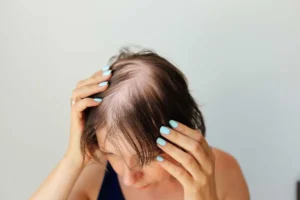
One of the most common questions people ask is does vitamin b deficiency cause hair loss. The short answer is that a lack of certain B‑vitamins, especially B12, can indeed disrupt the normal hair growth cycle and contribute to thinning strands. This article explores the science behind that relationship, outlines the signs to watch for, and provides practical steps you can take to protect your hair.
Hair loss affects millions worldwide, and while genetics play a major role, nutritional deficiencies are often overlooked. Studies show that up to 20% of individuals with unexplained hair shedding have low levels of vitamin B12 or other B‑complex nutrients. Understanding the connection helps you address the root cause before resorting to costly procedures.
In the sections that follow, we will examine how B‑vitamins support hair follicles, identify the symptoms of a deficiency, discuss dietary sources and supplementation, and explain when it might be time to explore advanced hair restoration options such as those offered by Gold City Hair.
How Vitamin B Supports Healthy Hair Growth
The B‑vitamin family includes eight essential nutrients, each playing a distinct role in cellular metabolism. For hair, two members stand out: vitamin b12 (cobalamin) and vitamin b6. Vitamin B12 is crucial for DNA synthesis and red blood cell formation, delivering oxygen and nutrients to the scalp. Vitamin B6 assists in the production of keratin, the protein that makes up the hair shaft.
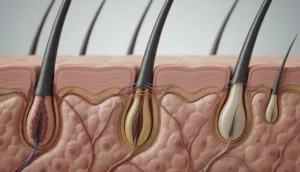
When these vitamins are adequate, hair follicles receive the energy they need to progress through the anagen (growth) phase. Conversely, a deficiency can push follicles into the telogen (resting) phase, leading to increased shedding.
- Vitamin B12: Supports nerve health and oxygen transport.
- Vitamin B6: Helps metabolize proteins and amino acids.
- Biotin (B7): Often marketed for hair, though severe deficiency is rare.
Below is a quick reference table that matches each B‑vitamin with its primary hair‑related function.
| Vitamin | Key Hair Function |
|---|---|
| Vitamin B12 (Cobalamin) | Oxygen delivery to scalp, DNA synthesis |
| Vitamin B6 (Pyridoxine) | Keratin production, amino‑acid metabolism |
| Biotin (B7) | Strengthens hair shaft, improves elasticity |
Impact of Vitamin B Deficiency on the Hair Cycle
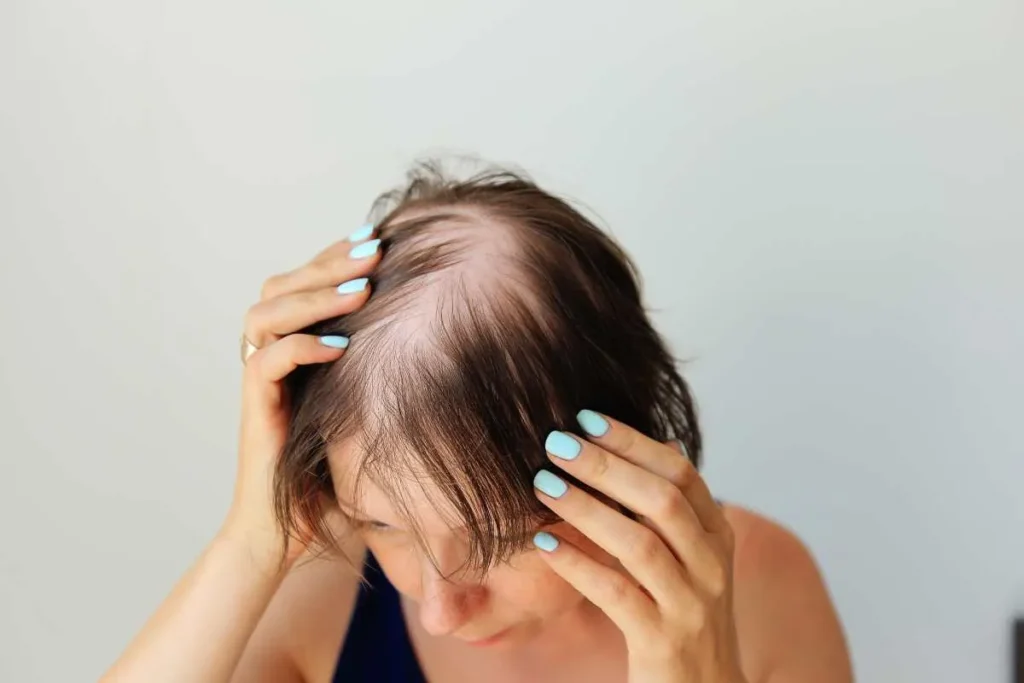
When the body lacks adequate B‑vitamins, the hair follicle’s metabolism slows down. This slowdown manifests in three main ways:
- Reduced Anagen Duration: The growth phase shortens, so hair does not reach its full length.
- Premature Telogen Entry: More follicles enter the resting phase, leading to diffuse shedding.
- Weakened Keratin Structure: Hair becomes brittle and prone to breakage.
Clinical observations often link low vitamin b12 deficiency symptoms—such as fatigue, numbness, and pale skin—to increased hair loss. While a direct cause‑and‑effect relationship is still being researched, the correlation is strong enough that many dermatologists recommend checking B‑vitamin levels in patients with unexplained thinning.
In addition to hair loss, other signs of B‑vitamin deficiency may include:
- Glossy or dry scalp
- Reduced nail strength
- General fatigue and weakness
Addressing the deficiency often leads to noticeable improvement within a few months, especially when combined with a balanced diet and, if needed, targeted supplementation.
Recognizing the Signs of B‑Vitamin Deficiency
Identifying a deficiency early can prevent permanent hair loss. While laboratory tests are the gold standard, several observable symptoms can guide you:
| Symptom | Likely Deficiency |
|---|---|
| Hair thinning on crown and temples | Vitamin B12 or B6 |
| Dry, flaky scalp | Biotin (B7) shortage |
| Persistent fatigue, tingling in hands | Vitamin B12 |
Patients often ask, which vitamin deficiency causes hair loss? The answer is typically a combination of low B12 and B6, though other nutrients like iron and zinc also play roles. If you notice any of the above signs, consider a blood test for cobalamin levels and discuss results with a healthcare professional.
Self‑diagnosis can be risky, but a simple dietary review can also reveal gaps. For example, vegans and strict vegetarians are more prone to B12 deficiency because the vitamin is primarily found in animal products.
Dietary Sources and Supplement Strategies
Ensuring sufficient intake of B‑vitamins is achievable through both food and supplements. The following list highlights the best natural sources:
- Vitamin B12: Beef liver, clams, salmon, fortified cereals, dairy.
- Vitamin B6: Chickpeas, bananas, potatoes, turkey, spinach.
- Biotin (B7): Egg yolks, nuts, seeds, sweet potatoes.
For individuals with limited dietary options—such as vegans—supplementation becomes essential. A high‑quality vitamin b12 supplement typically provides 500–1000 µg per dose, far exceeding the daily recommended intake but safely absorbed due to the body’s limited storage capacity.
When selecting a supplement, look for:
- Certified purity and third‑party testing.
- Forms like methylcobalamin, which are more bioavailable than cyanocobalamin.
- Combined B‑complex formulas that include B6 and biotin for synergistic effects.
Most experts recommend a trial period of 8–12 weeks to assess improvement in hair density. If symptoms persist despite optimal nutrition, it may be time to explore medical hair restoration options.
When to Consider Professional Hair Restoration
Even with corrected nutrition, some individuals experience irreversible follicle damage. In such cases, addressing the cosmetic concern directly can restore confidence. Gold City Hair offers state‑of‑the‑art procedures such as Follicular Unit Extraction (FUE) and Direct Hair Implantation (DHI), which transplant healthy follicles from donor areas to thinning zones.
Key indicators that you might benefit from a transplant include:
- Persistent thinning after 6 months of optimal B‑vitamin levels.
- Pattern baldness that follows a genetic trajectory.
- Scarring or traction alopecia that cannot be reversed by nutrition alone.
Before committing, a thorough evaluation—including blood work for vitamin levels, scalp analysis, and discussion of goals—ensures the chosen method aligns with your needs. The combination of proper nutrition and advanced transplant techniques often yields the most natural and lasting results.
Why Choose Gold City Hair
Gold City Hair has been delivering personalized hair restoration solutions in Turkey since 2017. Our clinic combines internationally recognized techniques like FUE and DHI with a patient‑first approach, ensuring transparent communication at every step. Whether you are addressing hair loss caused by a vitamin B deficiency or seeking a permanent solution for genetic thinning, our experienced team tailors each treatment to your unique anatomy and goals.
Ready to restore your confidence and achieve fuller, healthier hair? Contact Gold City Hair today to schedule a comprehensive consultation and discover the best plan for your needs.
Take the first step toward lasting results—your journey to revitalized hair starts now.
FAQ
Does vitamin B deficiency cause hair loss?
Yes, low levels of certain B‑vitamins, especially B12 and B6, can disrupt the hair growth cycle and lead to thinning.
What are the common symptoms of a B‑vitamin deficiency that affect hair?
Symptoms include hair thinning, dry scalp, brittle hair, fatigue, numbness, and pale skin.
Which B‑vitamins are most important for healthy hair growth?
Vitamin B12, vitamin B6, and biotin (B7) are the key nutrients for hair health.
How can I increase my intake of B‑vitamins to prevent hair loss?
Consume B‑rich foods like meat, fish, eggs, legumes, and consider a high‑quality B‑complex supplement if needed.
When should I consider professional hair restoration despite correcting my B‑vitamin levels?
If hair thinning persists after 6 months of optimal B‑vitamin levels or if genetic pattern baldness is evident.
What foods are rich in vitamin B12 and B6 that support hair health?
Fish, shellfish, liver, poultry, eggs, legumes, bananas, and leafy greens are excellent sources.