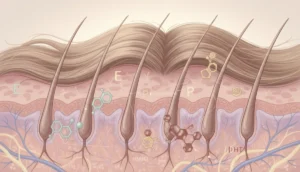
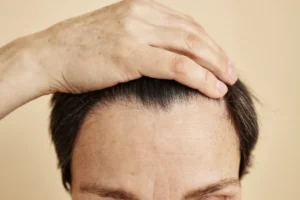
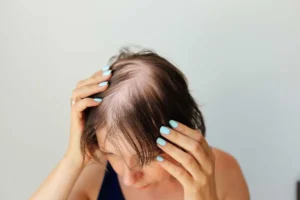
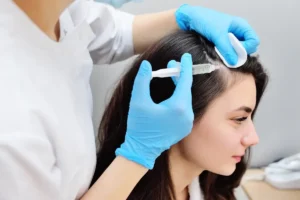
A mature hairline at 20 often surprises young adults who expect a full, youthful fringe. While it can be a normal stage of hair development, many wonder if it signals the start of a receding hairline or early balding. Understanding the biology behind a mature hairline, recognizing the signs that differentiate it from true recession, and exploring effective treatment pathways are essential steps toward maintaining confidence.
Statistics from dermatology clinics show that up to 30 % of men and 15 % of women notice a shift in their hairline before the age of 25. This change is frequently misinterpreted as hair loss, leading to unnecessary worry and premature interventions.
This article breaks down the characteristics of a mature hairline, compares it with early receding patterns, outlines common causes, and presents both non‑surgical and surgical solutions—especially those offered by experienced centers like Gold City Hair.
Understanding a Mature Hairline in Young Adults

A mature hairline is a natural evolution of the hairline that typically occurs during late teenage years and early twenties. It is characterized by a slightly higher placement of the frontal hairline, a subtle deepening of the temples, and a more defined “M” shape.
Key features of a mature hairline include:
- Gradual elevation of the frontal fringe by 1–2 cm.
- Soft, rounded temples rather than sharp recession.
- Consistent hair density along the crown.
Unlike a receding hairline, which often progresses rapidly and leads to noticeable thinning at the front, a mature hairline remains relatively stable over time.
| Aspect | Mature Hairline | Receding Hairline |
|---|---|---|
| Age of onset | Late teens–early 20s | Varies, often after 25 |
| Rate of change | Slow, incremental | Fast, noticeable gaps |
| Hair density | Generally maintained | Progressive thinning |
| Pattern | Higher “M” shape | V‑shaped recession |
Recognizing these distinctions helps individuals decide whether they need intervention or simply reassurance.
How to Differentiate a Mature Hairline from Early Receding
Distinguishing a mature hairline from an early receding hairline can be challenging without a professional assessment. However, there are practical visual cues you can evaluate on your own.
Visual Indicators
- Hairline shape: A mature hairline forms a gentle “M” with rounded peaks, while a receding hairline creates sharper angles.
- Density at the temples: In a mature hairline, hair density remains relatively uniform; a receding pattern shows thinning patches.
- Speed of change: Noticeable shifts within months suggest recession; gradual changes over years are typical of maturity.
Self‑Check Checklist
- Stand in front of a mirror with good lighting.
- Observe the highest point of your frontal hairline.
- Compare the current position with photos from the past year.
- Feel the scalp at the temples—firmness indicates healthy follicles.
If you detect rapid thinning or a widening bald spot, it may be time to consult a hair restoration specialist.
Common Causes of a Mature Hairline at Age 20
While genetics play the dominant role, several additional factors can accelerate the appearance of a mature hairline.
Genetic Predisposition
Family history remains the strongest predictor. If your father or grandfather experienced a mature hairline in their early twenties, you are more likely to follow the same pattern.
Hormonal Influences
Fluctuations in dihydrotestosterone (DHT) during puberty can affect follicle miniaturization, subtly raising the hairline.
Lifestyle and Environmental Factors
- Chronic stress leading to telogen effluvium.
- Poor nutrition lacking iron, zinc, and biotin.
- Excessive heat styling or harsh chemical treatments.
Understanding these contributors empowers you to adopt preventive habits that support hair health.
Non‑Surgical Strategies to Manage a Mature Hairline
Before considering surgical options, many individuals explore conservative approaches that can improve the appearance of a mature hairline.
Topical Treatments
Minoxidil (2 % or 5 %) is the most widely studied topical solution. Regular application can increase follicular diameter and promote modest forward growth.
Low‑Level Laser Therapy (LLLT)
LLLT devices emit red light wavelengths that stimulate cellular metabolism in hair follicles, potentially enhancing density over several months.
Lifestyle Adjustments
- Adopt a balanced diet rich in proteins, omega‑3 fatty acids, and vitamins A, C, D, and E.
- Manage stress through meditation, exercise, or counseling.
- Avoid tight hairstyles that pull on the frontal hairline.
Cosmetic Solutions
Strategic hair styling, such as using a side‑part or textured fringe, can camouflage a higher hairline without medical intervention.
While these methods may not dramatically reshape the hairline, they often provide enough improvement to boost confidence while you evaluate longer‑term plans.
When Surgical Restoration Becomes an Option
For those whose mature hairline still feels unsatisfactory after trying non‑surgical measures, hair transplantation offers a permanent solution. Modern techniques such as Follicular Unit Extraction (FUE) and Direct Hair Implantation (DHI) provide natural‑looking results with minimal downtime.
Assessing Suitability
Key criteria include:
- Stable donor area with sufficient healthy follicles.
- Realistic expectations about density and coverage.
- Absence of active scalp conditions.
What to Expect from a Procedure
| Stage | Description | Typical Recovery |
|---|---|---|
| Consultation | Clinical assessment, photo analysis, treatment plan. | 1‑2 weeks |
| Extraction | Individual follicles harvested using micro‑punch tools. | 2‑3 days |
| Implantation | Follicles placed at predetermined angles for natural flow. | 5‑7 days |
| Post‑Op Care | Gentle washing, medication, follow‑up visits. | 1‑2 months for full growth |
Gold City Hair’s experienced team in Turkey utilizes state‑of‑the‑art facilities and personalized protocols, ensuring that each patient receives a tailored approach that respects the unique characteristics of a mature hairline at 20.
Why Choose Gold City Hair
Gold City Hair has been delivering trusted hair restoration services since 2017, specializing in FUE, DHI, and eyebrow/beard transplants. Our clinic combines cutting‑edge technology with a patient‑first philosophy, offering transparent communication, customized treatment plans, and a commitment to natural‑looking results. Whether you seek non‑surgical support or a surgical solution, our skilled professionals guide you every step of the way.
Ready to transform your confidence with a tailored hairline solution? Contact Gold City Hair today to schedule a personalized consultation and explore the best options for your unique needs.
FAQ
What is a mature hairline and how is it different from a receding hairline?
A mature hairline is a natural, gradual elevation of the frontal hairline that stabilizes over time, while a receding hairline progresses quickly with noticeable thinning.
At what age does a mature hairline usually develop?
Most people notice a mature hairline between the late teenage years and early twenties, around ages 18 to 22.
What are the common causes of a mature hairline at age 20?
Genetics, hormonal shifts (especially DHT), stress, poor nutrition, and harsh hair styling can all accelerate a mature hairline.
Which non‑surgical treatments can improve the appearance of a mature hairline?
Topical minoxidil, low‑level laser therapy, lifestyle changes, and strategic hair styling are the main non‑surgical options.
When should someone consider surgical hair restoration for a mature hairline?
If non‑surgical methods fail to meet aesthetic goals and the donor area is stable, surgical options like FUE or DHI become viable.
How does Gold City Hair’s FUE/DHI procedure work for young adults with a mature hairline?
Gold City Hair uses micro‑punch tools to harvest individual follicles (FUE) or directly implant them (DHI), creating a natural‑looking hairline with minimal scarring.