When you ask yourself, what can i do for thinning hair, the answer often begins with understanding why hair loss occurs and which options are truly effective. Thousands of people notice their hair becoming finer each year, and the concern grows as the scalp becomes more visible. In fact, research shows that up to 40% of men and 30% of women experience noticeable thinning by age 35. This article walks you through proven strategies—ranging from lifestyle tweaks and over‑the‑counter products to cutting‑edge surgical techniques—so you can make informed decisions and restore confidence.
We’ll explore the root causes behind hair thinning, discuss daily habits that can strengthen existing strands, review medical treatments such as minoxidil and finasteride, and explain how modern hair transplant methods like FUE and DHI can provide lasting results. By the end, you’ll have a clear roadmap tailored to your unique situation.
Whether you’re dealing with male pattern baldness, female androgenic alopecia, or diffuse thinning caused by stress or nutrition, the steps outlined here are designed to address the problem at its source and support healthier hair growth.
Understanding Thinning Hair: Causes and Types
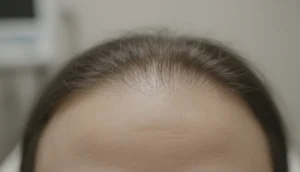
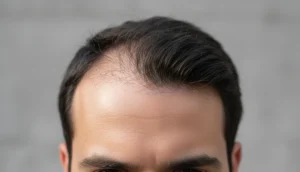
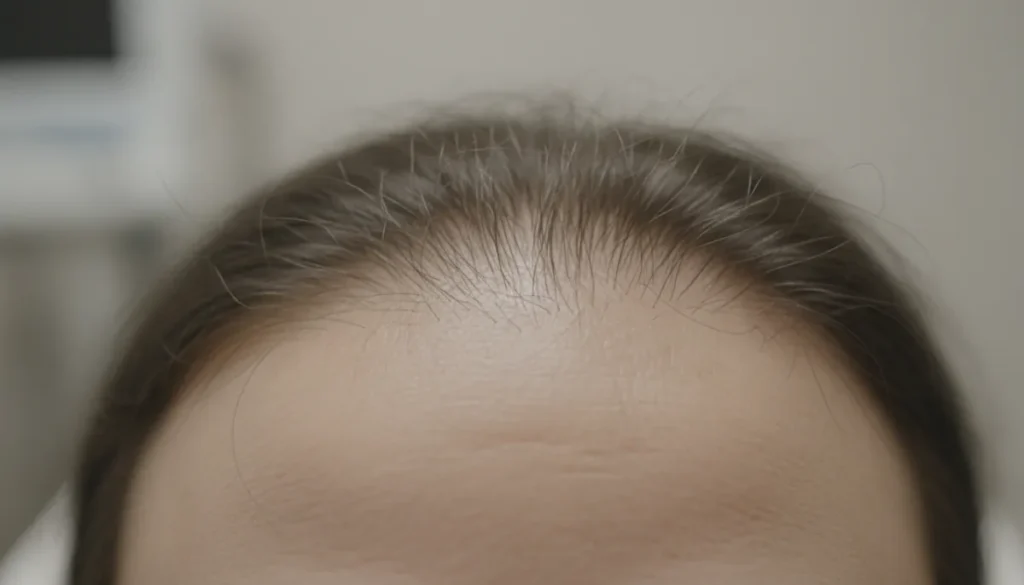
Before deciding what can i do for thinning hair, it’s essential to identify the underlying cause. Thinning can stem from genetic factors, hormonal shifts, medical conditions, or lifestyle influences. Below is a quick overview of the most common categories:
- Androgenetic alopecia – Often called male or female pattern baldness, driven by genetics and dihydrotestosterone (DHT).
- Telogen effluvium – Temporary shedding triggered by stress, illness, or major weight loss.
- Alopecia areata – An autoimmune condition that causes patchy hair loss.
- Traction alopecia – Resulting from tight hairstyles that pull on the scalp.
- Nutritional deficiencies – Lack of iron, zinc, or biotin can weaken hair shafts.
Understanding which type you’re experiencing guides the selection of appropriate treatments. For instance, hormonal therapies target androgenetic alopecia, while stress‑reduction techniques are more effective for telogen effluvium.
Diagnostic tools such as a scalp examination, blood tests for hormone levels, and a review of medication history help clinicians pinpoint the cause. Once identified, a personalized plan can be crafted, combining lifestyle adjustments, topical agents, and, if needed, surgical options.
Lifestyle and Home Remedies to Strengthen Hair
Many people wonder if simple daily changes can help answer the question, what can i do for thinning hair without prescription drugs. Nutrition, scalp care, and stress management play pivotal roles in maintaining hair density.
Nutrition and Supplements
Hair is primarily composed of keratin, a protein that requires adequate intake of specific nutrients. Incorporate the following into your diet:
| Nutrient | Food Sources | Benefit |
|---|---|---|
| Biotin (Vitamin B7) | Eggs, nuts, salmon | Supports keratin production |
| Iron | Spinach, lentils, red meat | Prevents anemia‑related shedding |
| Zinc | Pumpkin seeds, oysters | Regulates hormone balance |
| Vitamin D | Sunlight exposure, fortified dairy | Promotes follicle health |
In addition to a balanced diet, many individuals benefit from hair growth supplements that combine these vitamins with herbal extracts like saw palmetto, which may inhibit DHT formation.
Scalp Care Practices
- Gentle cleansing: Use a mild shampoo formulated for thinning hair to avoid stripping natural oils.
- Scalp massage: Stimulates blood flow and can be performed for 5‑10 minutes daily.
- Avoid heat: Limit the use of high‑temperature styling tools that can damage fragile strands.
- Protect from UV: Wear hats or use hair products with UV filters when outdoors for prolonged periods.
Stress Reduction Techniques
Chronic stress elevates cortisol, which can disrupt the hair growth cycle. Incorporate relaxation methods such as meditation, yoga, or regular aerobic exercise to mitigate stress‑induced shedding.
Medical Treatments and Products
When lifestyle changes alone aren’t enough, many ask what can i do for thinning hair using clinically proven options. Topical and oral medications, as well as specialized hair growth products, can significantly slow or reverse thinning.
Topical Solutions
- Minoxidil (2% for women, 5% for men) – The only FDA‑approved over‑the‑counter treatment that widens blood vessels, increasing nutrient delivery to follicles.
- Prescription‑strength shampoos containing ketoconazole – Helps reduce scalp inflammation and DHT levels.
- Peptide‑infused serums – Promote follicular signaling pathways for new growth.
Oral Medications
Finasteride (commonly prescribed for male pattern baldness) works by inhibiting the conversion of testosterone to DHT. Women of childbearing age should avoid this drug due to teratogenic risk.
Other oral options include:
- Spironolactone – An anti‑androgen used off‑label for female hair loss.
- Low‑dose oral minoxidil – Emerging evidence suggests efficacy for both genders.
Hair Growth Supplements
Products that combine biotin, collagen peptides, and botanical extracts (e.g., saw palmetto, pumpkin seed oil) can complement medical therapy. While supplements are not a cure, they support overall follicle health when used consistently.
Before starting any medication, consult a dermatologist or hair restoration specialist to assess suitability, potential side effects, and interaction with existing health conditions.
Advanced Options: Hair Transplant Techniques
For many, the lingering question remains: what can i do for thinning hair when non‑surgical methods fall short? Modern hair transplant procedures offer a permanent solution by relocating healthy follicles to balding areas.
Follicular Unit Extraction (FUE)
FUE involves harvesting individual follicular units from the donor zone (usually the back of the scalp) and implanting them into the thinning region. Benefits include minimal scarring, rapid recovery, and natural‑looking results.
Direct Hair Implantation (DHI)
DHI uses a patented implanter pen that places grafts directly without creating pre‑made incisions. This technique allows for higher graft survival rates and precise angle control, which is especially useful for frontal hairlines.
Choosing the Right Technique
| Technique | Key Advantages | Ideal Candidates |
|---|---|---|
| FUE | Less invasive, flexible donor area | Patients with moderate thinning, desire for low‑visibility scars |
| DHI | Higher precision, quicker implantation | Those seeking dense frontal hairlines and faster results |
Both methods are performed under local anesthesia in accredited clinics like Gold City Hair, where experienced surgeons ensure optimal graft placement and post‑operative care. The success of a transplant also depends on realistic expectations, proper after‑care, and ongoing medical support.
Choosing the Right Plan and Managing Expectations
Answering the question what can i do for thinning hair is only the first step; implementing a sustainable plan is equally important. Consider the following framework when evaluating options:
- Assessment: Get a thorough evaluation from a qualified specialist to determine the cause and severity.
- Goal Setting: Define realistic outcomes—whether it’s halting further loss, modest regrowth, or full restoration.
- Combination Therapy: Often, a blend of lifestyle changes, topical treatments, and possibly a transplant yields the best results.
- Budget Planning: Factor in costs of ongoing products, medical visits, and potential surgical procedures.
- Follow‑Up: Schedule regular check‑ins to monitor progress and adjust the regimen as needed.
Patience is crucial; hair growth cycles mean visible improvements can take 3‑6 months for topical agents and 9‑12 months post‑transplant. Maintaining a healthy lifestyle throughout the journey enhances long‑term success.
Why Choose Gold City Hair
Gold City Hair has been delivering personalized hair restoration solutions since 2017. Our clinic combines the latest FUE and DHI technologies with a patient‑first approach, ensuring transparent communication at every step. Our team of certified surgeons tailors each treatment to your unique hair loss pattern, providing realistic expectations and comprehensive after‑care. With a proven track record of natural‑looking results, we help individuals regain confidence and enjoy lasting hair health.
Ready to take the next step? Contact Gold City Hair today for a free, no‑obligation consultation and discover the most effective plan for your thinning hair.
Experience personalized care, cutting‑edge techniques, and lasting results—your journey to fuller hair starts now.
FAQ
What are the common causes of thinning hair?
Thinning hair can result from androgenetic alopecia, telogen effluvium, alopecia areata, traction alopecia, and nutritional deficiencies.
How can lifestyle changes help with thinning hair?
Improving nutrition, practicing gentle scalp care, and reducing stress can strengthen existing hair and slow further loss.
Which over‑the‑counter treatments are effective for hair thinning?
Minoxidil and ketoconazole‑containing shampoos are the most evidence‑based OTC options.
What is the difference between FUE and DHI hair transplant techniques?
FUE extracts individual grafts and implants them manually, while DHI uses a pen‑style implanter for direct placement without pre‑made incisions.
How long does it take to see results after a hair transplant?
Visible growth typically begins 3‑4 months post‑procedure, with full results evident by 9‑12 months.
Are there natural supplements that support hair growth?
Biotin, iron, zinc, vitamin D, and saw palmetto are commonly used supplements that can aid hair health.
What should I expect during a consultation for hair loss?
A thorough evaluation includes medical history, scalp examination, and possibly blood tests to pinpoint the cause of thinning.