Living with alopecia areata can feel unpredictable, and many patients wonder which everyday choices might be making the condition worse. Understanding things to avoid when you have alopecia areata is the first step toward stabilizing hair loss and supporting regrowth. According to dermatology studies, up to 30% of individuals notice a flare‑up after exposure to certain stressors or harsh hair products.
This article walks through the most common pitfalls—ranging from lifestyle habits to misguided treatments—so you can make informed decisions about your scalp care. By recognizing and eliminating these triggers, you reduce the risk of additional hair fall and give any medical therapy a better chance to work.
We’ll explore practical tips backed by clinical insight, and we’ll also highlight how Gold City Hair’s personalized approach can complement your self‑care routine.
Common Lifestyle Triggers That Can Worsen Alopecia Areata
Everyday habits that seem harmless can actually act as catalysts for an alopecia areata flare. While the exact cause of the autoimmune response remains unclear, research points to several environmental and behavioral factors that may aggravate the condition.
- Excessive heat exposure – Frequent use of hot styling tools raises scalp temperature, potentially increasing inflammation.
- Smoking – Nicotine restricts blood flow to hair follicles, which can exacerbate hair loss.
- Alcohol overconsumption – Dehydrates the body and can impair nutrient absorption essential for hair health.
- Irregular sleep patterns – Poor sleep disrupts hormonal balance, which may trigger autoimmune activity.
- High‑intensity cardio without proper recovery – Overtraining can elevate cortisol levels, a known stress hormone linked to hair loss.
Below is a quick comparison of how each trigger may impact the scalp:
| Trigger | Potential Effect on Alopecia Areata | Mitigation Strategy |
|---|---|---|
| Heat Styling | Increases scalp inflammation | Use low‑heat settings, limit sessions to once a week |
| Smoking | Reduces blood flow to follicles | Quit smoking, seek nicotine replacement therapy |
| Alcohol | Dehydrates scalp, hampers nutrient delivery | Limit intake to moderate levels, stay hydrated |
| Sleep Deprivation | Elevates cortisol, may trigger flare‑ups | Aim for 7–9 hours of quality sleep nightly |
| Over‑training | Chronically high cortisol levels | Incorporate rest days, practice stress‑relief techniques |
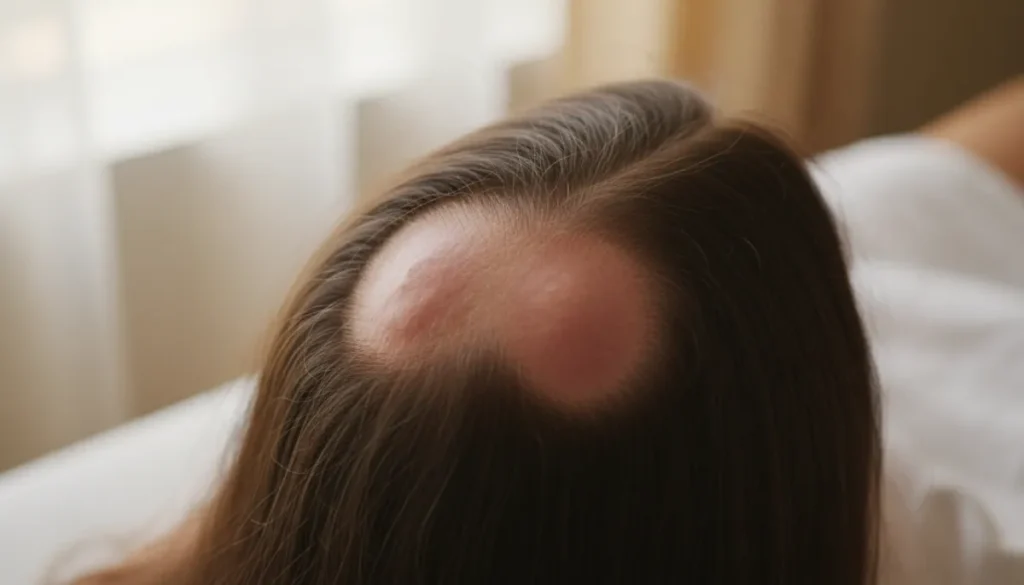
Hair Care Practices That May Harm Sensitive Scalp
When your scalp is already battling an autoimmune response, certain hair‑care routines can do more harm than good. It’s essential to differentiate between gentle care and aggressive techniques that can irritate the skin and trigger additional hair loss.
- Harsh chemical relaxers or bleaching agents – These can cause scalp irritation and increase the risk of an allergic reaction.
- Frequent tight hairstyles – Braids, ponytails, or buns that pull on the hair may lead to traction alopecia, compounding the problem.
- Rough towel drying – Vigorously rubbing the scalp can cause micro‑tears and inflammation.
- Over‑use of silicone‑based serums – They can clog pores, preventing the scalp from breathing.
- Skipping gentle cleansing – Allowing excess sebum and dead skin to accumulate creates a breeding ground for bacterial growth.
To help you choose safer alternatives, here is a side‑by‑side look at recommended versus discouraged practices:
| Practice | Recommended | Discouraged |
|---|---|---|
| Shampoo Frequency | 2–3 times per week with a mild, sulfate‑free formula | Daily washing with strong detergents |
| Conditioner Use | Apply only to hair length, avoid scalp | Heavy, oil‑based conditioners on scalp |
| Styling Tools | Wide‑tooth comb, low‑heat dryer | Fine metal combs, high‑heat flat irons |
| Hair Accessories | Soft fabric scrunchies, loose braids | Elastic bands, tight ponytails |
Dietary Choices and Supplements to Steer Clear Of
Nutrition plays a pivotal role in immune regulation and hair follicle health. Certain foods and supplements, while popular, may unintentionally aggravate alopecia areata or interfere with prescribed medications.
- Excessive refined sugars – High glycemic loads can spike insulin, potentially worsening inflammation.
- Highly processed foods – Contain trans fats and additives that may trigger immune responses.
- Very low‑fat diets – Fat‑soluble vitamins (A, D, E, K) are essential for scalp health; severe restriction can lead to deficiencies.
- Unregulated herbal supplements – Some contain unknown steroids or allergens that could provoke flare‑ups.
- Excessive Vitamin A – Hypervitaminosis A is linked to hair loss and should be avoided.
Instead, focus on a balanced diet rich in omega‑3 fatty acids, antioxidants, and protein. If you consider supplementation, consult a dermatologist or a nutritionist to ensure safety and compatibility with any ongoing treatment.
Stress and Emotional Factors to Manage Carefully
Stress is a well‑documented trigger for many autoimmune conditions, including alopecia areata. Both acute and chronic stress can elevate cortisol, which may disrupt the hair growth cycle and lead to sudden hair fall.
- Ignoring mental health – Suppressing anxiety or depression can keep cortisol levels high.
- Skipping relaxation routines – Activities such as meditation, yoga, or deep‑breathing are often overlooked but are crucial for hormonal balance.
- Over‑commitment at work – Long hours without breaks increase physiological stress.
- Social isolation – Lack of supportive networks can amplify emotional strain.
Practical steps to keep stress in check include:
- Setting realistic daily goals and allowing for short breaks.
- Practicing mindfulness meditation for at least 10 minutes a day.
- Engaging in regular, moderate‑intensity exercise such as walking or swimming.
- Seeking professional counseling if anxiety or depression becomes overwhelming.
By proactively managing stress, you create a more favorable environment for the immune system to settle, which may reduce the frequency of alopecia areata episodes.
Medical Treatments and Over‑the‑Counter Products to Use With Caution
While many over‑the‑counter (OTC) products promise rapid hair regrowth, not all are suitable for those with alopecia areata. Some ingredients may irritate the scalp or interact negatively with prescription medications.
- Topical minoxidil without dermatologist supervision – Can cause scalp irritation and may not be effective for autoimmune‑driven hair loss.
- Corticosteroid creams used indiscriminately – Prolonged use can thin the skin and suppress natural hormone production.
- Essential oil blends not tested for dermatological safety – Certain oils (e.g., peppermint, rosemary) can cause allergic reactions.
- Hair growth supplements containing high doses of biotin – Excess biotin may interfere with lab tests and mask underlying deficiencies.
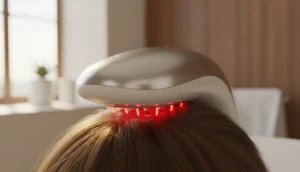
- Laser combs marketed for “hair regrowth” – Limited scientific evidence supports their efficacy for alopecia areata.
Before starting any new treatment, discuss it with a qualified dermatologist. They can help you weigh the benefits against potential risks and tailor a regimen that aligns with your specific condition.
Myths and Misconceptions to Discard
Misunderstanding the nature of alopecia areata can lead to harmful decisions. Below are common myths and the facts that debunk them.
| Myth | Fact |
|---|---|
| “Alopecia areata is caused by poor hygiene.” | It is an autoimmune disorder unrelated to cleanliness. |
| “Shaving the head will stop hair loss.” | Hair removal does not affect the underlying immune response. |
| “Only genetics determine the condition.” | While genetics play a role, environmental triggers and stress are also influential. |
| “All hair loss treatments work for alopecia areata.” | Many treatments target androgenetic baldness, not autoimmune hair loss. |
Clearing these misconceptions empowers you to make evidence‑based choices and avoid unnecessary frustration.
Why Choose Gold City Hair for Your Hair Restoration Journey
Gold City Hair combines cutting‑edge FUE and DHI techniques with a compassionate, personalized approach. Since 2017, our clinic in Turkey has helped thousands of clients regain confidence through safe, transparent, and results‑driven hair restoration. Our experienced team works closely with patients who have alopecia areata, offering tailored consultations, meticulous planning, and post‑procedure support to ensure the best possible outcome.
Ready to protect your scalp and explore advanced hair restoration options? Contact Gold City Hair today to schedule a confidential consultation and take the first step toward healthier hair.
FAQ
What everyday lifestyle habits can worsen alopecia areata?
Excessive heat styling, smoking, heavy alcohol use, irregular sleep, and over‑training can all trigger flare‑ups.
Which hair‑care practices should be avoided for a sensitive scalp?
Harsh chemicals, tight hairstyles, rough towel drying, silicone‑based serums, and infrequent gentle cleansing should be avoided.
What dietary choices and supplements might aggravate alopecia areata?
Excess refined sugars, processed foods, very low‑fat diets, unregulated herbal supplements, and high doses of vitamin A can worsen the condition.
How does stress affect alopecia areata and how can it be managed?
Stress raises cortisol, which can disrupt the hair growth cycle; managing stress with mindfulness, breaks, exercise, and counseling helps.
What should be considered before using over‑the‑counter hair products for alopecia areata?
OTC products like minoxidil, corticosteroid creams, essential oils, high‑dose biotin, and laser combs should be used only under dermatologist supervision.