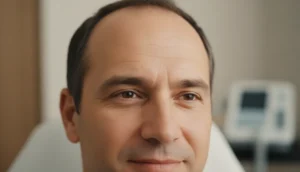
If you’re wondering how to grow back hairline, you’re not alone. Millions of men and women notice a thinning fringe or a receding hairline at some point, and the desire to regain a fuller, youthful look drives them to seek reliable solutions. Understanding the underlying causes and the range of treatments available can empower you to make informed decisions and set realistic expectations.
Recent studies show that up to 40% of adults experience noticeable hairline recession by the age of 35, highlighting the prevalence of this concern. Whether it’s genetics, hormonal shifts, or lifestyle factors, each element plays a role in the health of the hair follicle zone at the front of the scalp.
This article will explore the science behind hairline loss, natural habits that support regrowth, proven medical options, and how to maintain results over time. By the end, you’ll have a clear roadmap for addressing a receding hairline and achieving lasting confidence.
Understanding Hairline Loss: Causes and Early Signs
Before diving into solutions, it’s essential to recognize why a hairline may begin to thin or recede. The most common contributors include:
- Genetic predisposition: Family history often dictates the pattern and speed of hairline recession.
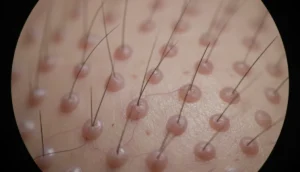
- Hormonal changes: Androgens, especially dihydrotestosterone (DHT), can shrink hair follicles.
- Stress and poor nutrition: Chronic stress and deficiencies in iron, zinc, or vitamins can accelerate thinning.
- Improper hair care: Tight hairstyles, excessive heat, or harsh chemicals damage the delicate hairline area.
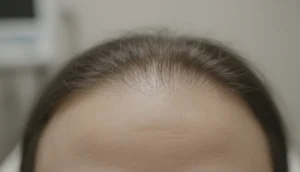
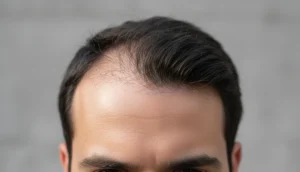
Early signs such as a widening forehead, a “M” shape at the temples, or subtle thinning at the hairline should prompt a closer look. Detecting these cues early allows for timely intervention, increasing the likelihood of successful regrowth.
| Cause | Typical Indicator | Potential Action |
|---|---|---|
| Genetics | Family members with early recession | Consult a specialist for early treatment |
| Hormonal | Sudden thinning despite good care | Medical evaluation for DHT blockers |
| Stress | Hair shedding after stressful events | Implement stress‑reduction techniques |
| Poor Nutrition | Dry, brittle hair at the fringe | Adjust diet and consider supplements |
Lifestyle Adjustments for Natural Hairline Recovery
Adopting healthy habits can create an environment where follicles thrive, supporting the goal of how to grow back hairline without invasive procedures.
Nutrition That Fuels Growth
A balanced diet rich in protein, omega‑3 fatty acids, and micronutrients like biotin, vitamin D, and iron is vital. Foods such as salmon, eggs, leafy greens, nuts, and legumes supply the building blocks needed for robust hair production.
Scalp Stimulation Techniques
Gentle scalp massage for 5‑10 minutes daily increases blood flow, delivering oxygen and nutrients to the hair follicles. Using a silicone brush or fingertips in circular motions can also reduce tension that contributes to hairline falling out.
Stress Management and Sleep
Chronic cortisol elevation can push hair follicles into a resting phase. Practices like mindfulness meditation, regular exercise, and ensuring 7‑9 hours of quality sleep each night help keep stress hormones in check.
- Drink at least 2 liters of water daily to keep scalp hydrated.
- Avoid smoking and limit alcohol, both of which impair circulation.
- Use a mild, sulfate‑free shampoo to prevent irritation of the hairline area.
Topical and Oral Treatments That Promote Hairline Growth
When lifestyle changes alone aren’t enough, clinically proven hair growth treatments can accelerate the process of how to grow back hairline. The most widely studied options include:
Minoxidil (Rogaine)
Applied as a topical solution or foam, minoxidil widens blood vessels, enhancing follicle size and prolonging the growth phase. It is effective for both men and women, especially on the frontal scalp.
Finasteride (Propecia)
An oral medication that reduces DHT production, finasteride is commonly prescribed for receding hairline in men. Women of child‑bearing age should avoid it due to potential risks.
Natural Oils and Extracts
Ingredients such as rosemary oil, pumpkin seed oil, and caffeine‑infused serums have shown modest benefits in stimulating hair follicles. While not a cure for thinning hair, they complement other treatments.
| Product | Application | Typical Results Timeline |
|---|---|---|
| Minoxidil 5% | Twice daily to scalp | 3‑6 months |
| Finasteride 1 mg | Once daily oral | 4‑12 months |
| Rosemary Oil | Mixed with carrier oil, nightly | 6‑12 months |
Combining a topical solution with a healthy diet often yields the best outcomes, but it’s important to consult a qualified professional before starting any regimen.
Advanced Medical Options: Transplants and PRP
For individuals seeking a more permanent solution, understanding how to grow back hairline through surgical methods is essential. Two leading techniques offered at Gold City Hair are:
Follicular Unit Extraction (FUE)
FUE involves harvesting individual follicular units from a donor area (usually the back of the head) and implanting them into the hairline. This method leaves minimal scarring and provides natural‑looking density.
Platelet‑Rich Plasma (PRP) Therapy
PRP uses your own blood plasma, enriched with growth factors, to stimulate dormant follicles. It can be combined with FUE or used as a standalone treatment to enhance results.
Both procedures are performed by experienced surgeons who tailor the graft distribution to match your facial features, ensuring a seamless blend with existing hair. While the initial cost is higher than topical options, the long‑term benefits often justify the investment for many patients.
- Typical recovery time: 7‑10 days for FUE, 2‑3 days for PRP.
- Results become visible after 3‑4 months, with full maturity at 12‑18 months.
- Ideal candidates have sufficient donor hair and realistic expectations.
Setting Realistic Expectations and Ongoing Maintenance
Achieving a restored hairline is a journey that blends science, patience, and consistent care. Here are key points to keep in mind:
Timeline Awareness
Even with effective treatments, hair grows at an average rate of 0.3‑0.5 mm per day. Expect visible improvement within 3‑6 months for topical therapies, while surgical grafts may take up to a year to fully settle.
Maintenance Strategies
After reaching your desired hairline, continue using gentle shampoos, maintain a nutrient‑rich diet, and consider periodic PRP sessions to sustain follicle health.
Avoiding Common Myths
Myths such as “shaving makes hair grow faster” or “certain herbs can instantly regrow a receded hairline” lack scientific support. Rely on evidence‑based practices and professional guidance.
By combining lifestyle optimization, proven medical treatments, and realistic goal‑setting, you can effectively address how to grow back hairline and enjoy lasting confidence.
Why Choose Gold City Hair
Gold City Hair has been delivering personalized hair restoration solutions since 2017. Our clinic specializes in advanced techniques such as FUE and DHI, offering transparent communication and a supportive patient experience. With a focus on natural‑looking results and long‑term care, we help you achieve a confident, restored hairline.
Ready to take the first step toward a fuller hairline? Contact Gold City Hair today to schedule a personalized consultation and discover the best treatment plan for you.
FAQ
What are the common causes of hairline recession?
Hairline recession is usually caused by genetics, hormonal changes (especially DHT), stress, poor nutrition, and harsh hair‑care practices.
How can diet affect hairline regrowth?
A diet rich in protein, omega‑3s, and micronutrients like biotin, iron, and vitamin D supplies the building blocks needed for healthy hair follicles.
What is the effectiveness of minoxidil for hairline restoration?
Minoxidil is clinically proven to enlarge follicles and extend the growth phase, showing visible improvement in 3‑6 months for many users.
Are there any natural treatments that help grow back a hairline?
Natural options like rosemary oil, pumpkin seed oil, and caffeine‑infused serums can modestly stimulate follicles when used alongside proper nutrition and scalp massage.
What is the difference between FUE and PRP hair restoration methods?
FUE is a surgical transplant that moves individual follicles from a donor area, while PRP is a non‑surgical injection of platelet‑rich plasma to stimulate existing follicles.
How long does it take to see results from hairline treatments?
Topical treatments usually show improvement within 3‑6 months, while surgical options like FUE may take up to a year for full maturation.