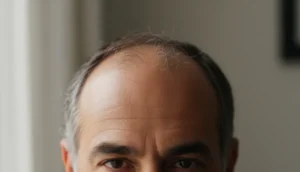
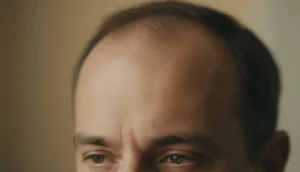
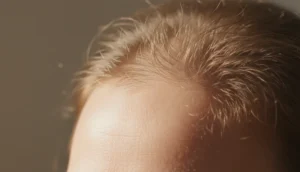
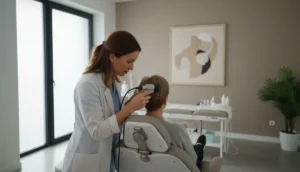
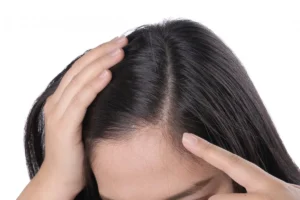
A terrible hairline can feel like a constant source of self‑consciousness, especially when it begins to recede or appears uneven. Understanding why this happens and what you can do about it is the first step toward regaining confidence. In this article we explore the most common causes, practical non‑surgical solutions, and the latest surgical options—including FUE and DHI techniques—available at Gold City Hair.
Did you know that nearly 40 % of men notice a noticeable change in their hairline by the age of 30, while many women experience thinning hairlines as early as their mid‑20s? Early intervention can dramatically improve outcomes, whether you choose topical treatments, lifestyle adjustments, or a hair transplant.
We’ll walk you through the science behind a deteriorating hairline, outline realistic at‑home strategies, and explain what to expect from a professional transplant. By the end, you’ll have a clear roadmap for turning a “terrible hairline” into a natural, balanced look.
Understanding the Causes of a Terrible Hairline
Before you can fix a problematic hairline, it’s essential to identify the underlying factors. A “bad hairline” is rarely the result of a single issue; genetics, hormonal changes, and environmental stressors often combine to create the problem.
Genetic predisposition is the most common driver of a receding hairline. Men with a family history of male‑pattern baldness typically develop a mature hairline that gradually moves backward. Women can experience a similar pattern, known as a “ladies receding hairline,” often linked to hormonal fluctuations during menopause.
Hormonal influences such as elevated dihydrotestosterone (DHT) levels can accelerate hair follicle miniaturization, leading to a thinning hairline. Conditions like thyroid disorders or nutritional deficiencies (iron, vitamin D) also contribute to uneven growth.
External factors play a role, too. Chronic stress, poor sleep, and aggressive styling (tight ponytails, excessive heat) can cause traction alopecia, resulting in an uneven or “messed up hairline.” Additionally, certain medications—including some antidepressants and blood thinners—may trigger hair loss as a side effect.
- Genetic factors – family history of male‑pattern baldness or female‑pattern thinning.
- Hormonal changes – DHT, thyroid imbalances, menopause.
- Environmental stress – UV exposure, pollution, harsh hair care products.
- Lifestyle influences – stress, diet, sleep quality.
Understanding these contributors helps you choose the most appropriate treatment path, whether you aim to slow progression or restore density.
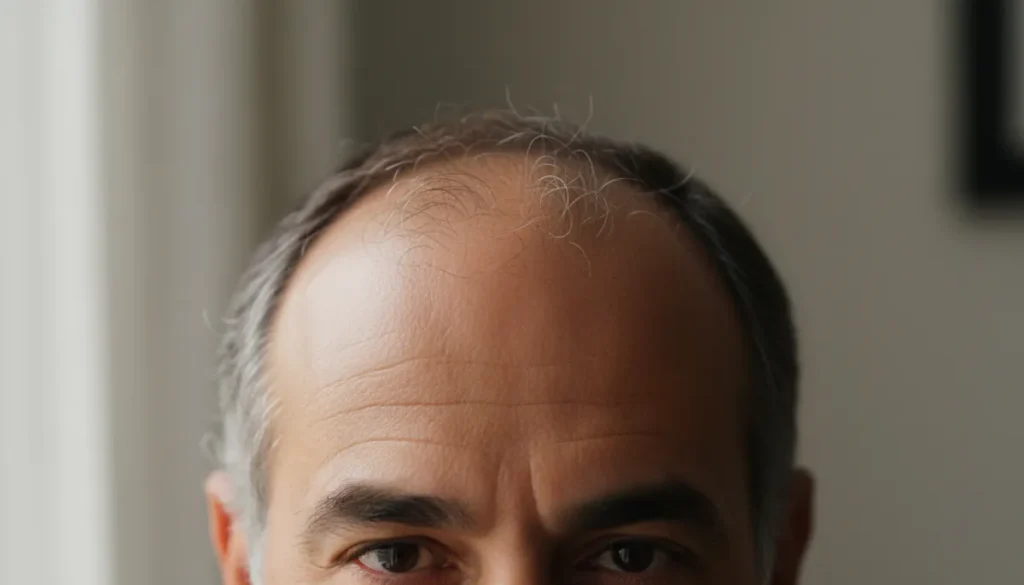
Non‑Surgical Options to Improve Your Hairline
For many people, the first line of defense against a terrible hairline involves non‑invasive methods. These approaches can slow further recession, stimulate new growth, and improve the overall appearance without surgery.
Topical Treatments
Minoxidil is the most widely studied over‑the‑counter solution. While it is most effective on the crown, research shows it can also benefit the frontal hairline when used consistently. Does minoxidil work on hairline? Studies suggest modest improvements in density after four to six months of twice‑daily application.
Finasteride, a prescription oral medication, reduces DHT levels and is often recommended for men with a receding hairline. Women should consult a specialist before use, as it is not approved for female pattern hair loss.
Lifestyle Adjustments
Diet plays a crucial role in hair health. Foods rich in biotin, zinc, and omega‑3 fatty acids support follicle strength. Regular exercise improves circulation, delivering essential nutrients to the scalp.
Stress management techniques—such as meditation, yoga, or adequate sleep—can mitigate the hormonal spikes that exacerbate hair loss. Limiting heat styling and avoiding tight hairstyles reduces mechanical damage to the hairline.
Natural Remedies
While evidence varies, some individuals report success with rosemary oil, pumpkin seed oil, and caffeine‑infused shampoos. These ingredients may increase blood flow and provide antioxidant protection.
| Option | Typical Use | Evidence Level |
|---|---|---|
| Minoxidil (2%/5%) | Twice daily, apply to scalp | Strong (clinical trials) |
| Finasteride (1 mg) | Oral, daily | Strong (clinical trials) |
| Rosemary oil | Scalp massage 2‑3×/week | Moderate (small studies) |
| Dietary supplements | Daily intake as per label | Variable |
Non‑surgical solutions are ideal for those with a mild to moderate “bad hairline” or who prefer to avoid the downtime associated with surgery.
Surgical Solutions: FUE and DHI Hair Transplant Techniques
When non‑surgical methods are insufficient, many turn to hair transplantation. Modern techniques such as Follicular Unit Extraction (FUE) and Direct Hair Implantation (DHI) offer precise, natural‑looking results for a “terrible hairline.”
FUE (Follicular Unit Extraction)
FUE involves harvesting individual follicular units from a donor area—typically the back of the scalp—and implanting them into the thinning frontal zone. This method leaves minimal scarring and allows for meticulous placement, creating a seamless transition between existing hair and transplanted grafts.
DHI (Direct Hair Implantation)
DHI is an evolution of FUE that uses a specialized implanter pen to place grafts directly without creating pre‑made channels. This reduces handling time, improves graft survival, and enables greater control over angle and depth—critical for recreating a natural hairline.
Both techniques address the core issue of a “receding hairline” by adding permanent, living hair follicles. The choice between FUE and DHI depends on factors such as donor density, desired density, and individual scalp characteristics.
- FUE – Ideal for patients who prefer a quicker procedure and are comfortable with tiny punch incisions.
- DHI – Best for those seeking maximum precision and minimal graft trauma.
- Recovery time – Typically 7‑10 days of mild swelling; full results appear after 9‑12 months.
At Gold City Hair, surgeons assess each case to recommend the most suitable method, ensuring a natural‑looking hairline that blends with your mature hair pattern.
Preparing for a Hair Transplant and Aftercare Essentials
Successful outcomes start long before the first incision. Proper preparation and diligent aftercare are essential to transform a “terrible hairline” into a lasting, natural result.
Pre‑Procedure Planning
During the initial consultation, the surgeon evaluates your hairline type—distinguishing between a mature hairline and an actively receding one. This assessment determines the graft count and the angle of implantation. Patients are advised to discontinue certain medications (e.g., blood thinners) and to avoid smoking, as nicotine impairs blood flow to grafts.
Day‑Of Surgery Protocol
The procedure is performed under local anesthesia, ensuring comfort without the risks of general anesthesia. Patients can usually return home the same day, with instructions to keep the scalp clean and avoid direct sunlight.
Post‑Procedure Care
Key aftercare steps include:
- Gentle washing with a prescribed mild shampoo starting 48 hours post‑op.
- Applying a prescribed topical antibiotic or anti‑inflammatory solution to reduce infection risk.
- Avoiding strenuous exercise and heavy lifting for at least two weeks.
- Protecting the transplanted area from UV exposure for a minimum of one month.
Most patients notice shedding of transplanted hairs within the first three weeks—a normal phase called “shock loss.” New growth typically begins around the third month and continues to mature over the next nine months.
Long‑term maintenance may involve occasional minoxidil use or low‑dose finasteride to preserve the surrounding native hair and support the transplanted follicles.
Why Choose Gold City Hair
Gold City Hair has been delivering personalized hair restoration solutions in Turkey since 2017. Our clinic combines the latest FUE and DHI technologies with a patient‑focused approach, ensuring transparent communication at every stage. Our experienced surgeons tailor each treatment to the individual’s hairline pattern—whether you are dealing with a mature hairline, a receding front, or a “terrible hairline.” By choosing Gold City Hair, you benefit from proven expertise, state‑of‑the‑art facilities, and a commitment to natural, lasting results.
Ready to transform your hairline and regain confidence? Contact Gold City Hair today to schedule a personalized consultation and discover the best solution for your unique needs.
Take the first step toward a fuller, more natural look—your new hairline awaits.
FAQ
What causes a terrible hairline?
A terrible hairline is usually the result of genetics, hormonal changes, stress, poor nutrition, and damaging hair practices.
Does minoxidil work on the hairline?
Yes, minoxidil can improve hair density on the frontal hairline when used consistently for several months.
What are the main non‑surgical options to improve a hairline?
Topical minoxidil, oral finasteride, dietary changes, stress management, and natural oils like rosemary are common non‑surgical options.
How do FUE and DHI hair transplants differ?
FUE extracts individual follicles and implants them after creating channels, while DHI uses a pen to place grafts directly without pre‑made incisions, offering greater precision.
What aftercare is essential following a hair transplant?
Gentle washing, prescribed topical antibiotics, avoiding strenuous activity, protecting the scalp from UV, and patience for gradual growth are key aftercare steps.