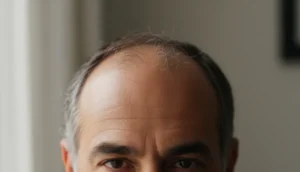
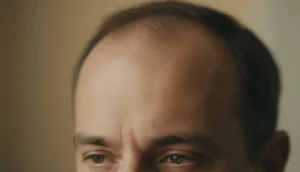
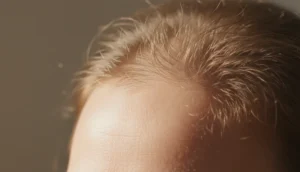
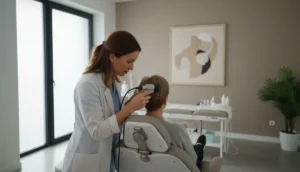
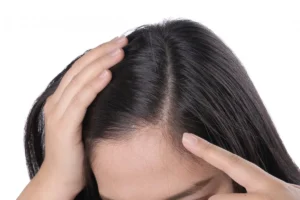
Many people wonder how to get hairline back after noticing the first signs of recession. Whether the cause is genetics, stress, or hormonal changes, a thinning front hairline can affect confidence and overall appearance. This article explains the science behind hairline loss, reviews non‑surgical and surgical solutions, and outlines what to expect when you decide on a professional hair transplant.
According to recent dermatology studies, up to 40 % of men begin to experience a receding hairline before the age of 30, while a growing number of women also report frontal thinning. Understanding the underlying factors is the first step toward effective treatment.
We will cover natural remedies, medical therapies, the latest transplant techniques, and practical tips for long‑term maintenance. By the end, you’ll have a clear roadmap for restoring a natural‑looking hairline and regaining confidence.
Understanding Hairline Loss
The hairline is often the first area to show signs of balding, and several factors can contribute to its recession.
Common Causes of a Receding Hairline
- Genetic predisposition (androgen‑sensitive follicles)
- Hormonal imbalances, especially elevated DHT levels
- Chronic stress and poor sleep quality
- Nutrient deficiencies (iron, zinc, biotin)
- Harsh styling practices and excessive heat
Early Warning Signs
Spotting the problem early can improve treatment outcomes. Look for:
- Thinning at the temples or “M” shape formation
- Increased hair shedding during washing
- Scalp visibility along the frontal edge
Identifying these indicators allows you to act before the hairline recedes further.
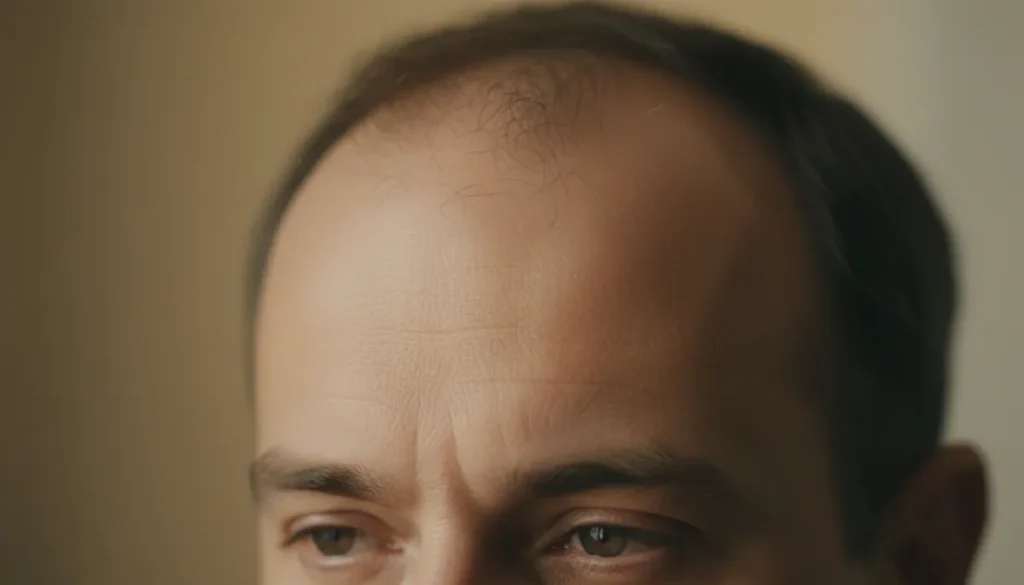
Non‑Surgical Options to Regrow Your Hairline
Before considering surgery, many patients explore topical and lifestyle approaches to see how to get hairline back naturally.
Topical Treatments and Supplements
Products containing minoxidil, caffeine, and peptides have been shown to stimulate follicle activity. Additionally, oral supplements rich in biotin, vitamin D, and saw‑tooth oak can support overall hair health.
| Product Type | Key Ingredient | Typical Results |
|---|---|---|
| Minoxidil 5% | Minoxidil | Visible thickening within 3‑6 months |
| Growth‑Boost Serum | Caffeine + Peptides | Improved density after 4 months |
| Hair‑Support Capsules | Biotin, Zinc, Vitamin D | Reduced shedding, stronger strands |
Lifestyle Changes for Hair Growth
Adopting healthier habits can complement topical solutions:
- Maintain a balanced diet rich in lean proteins and omega‑3 fatty acids.
- Manage stress through meditation, exercise, or therapy.
- Avoid tight hairstyles that pull on the front hairline.
- Limit exposure to harsh chemicals and excessive heat.
While these methods may not fully restore a severely receded line, they often improve overall scalp health and can be a valuable part of a comprehensive plan.
Medical Treatments: When Surgery Becomes the Best Choice
If you have tried non‑invasive methods and still wonder how to get hairline back, medical interventions may offer a more definitive solution.
FUE and DHI Hair Transplant Techniques
Follicular Unit Extraction (FUE) and Direct Hair Implantation (DHI) are the most advanced methods for rebuilding a natural hairline. Both techniques involve extracting individual follicles from a donor area—usually the back of the scalp—and implanting them with precision.
- FUE: Leaves tiny, dot‑like scars and allows for flexible hairline design.
- DHI: Uses a patented implanter pen for higher graft survival and denser results.
PRP Therapy and Medication
Platelet‑Rich Plasma (PRP) injections deliver growth factors directly to the scalp, encouraging dormant follicles to enter the growth phase. In combination with oral finasteride or topical minoxidil, PRP can enhance outcomes for patients seeking to restore their front hairline.
Typical treatment protocols involve 3‑4 PRP sessions spaced one month apart, followed by maintenance injections every 6‑12 months.
Preparing for a Hair Transplant Procedure
Understanding the steps involved helps you feel confident about how to get hairline back through surgery.
Consultation and Planning
A thorough consultation includes:
- Scalp analysis and photographic documentation.
- Discussion of donor area availability.
- Setting realistic expectations for density and coverage.
What to Expect on the Day of Surgery
On the procedure day, the following occurs:
- Local anesthesia is administered to ensure a pain‑free experience.
- The surgeon extracts follicles using FUE or DHI tools.
- Grafts are meticulously placed along the predetermined hairline.
- Post‑operative instructions are provided for optimal healing.
Most patients return to normal activities within 2‑3 days, with full graft integration visible after 9‑12 months.
Post‑Transplant Care and Long‑Term Maintenance
Successful outcomes depend on diligent after‑care. Below is a checklist to maximize graft survival and ensure your new hairline looks natural.
Immediate Post‑Op Care (First 2 Weeks)
- Avoid direct sunlight and wear a loose hat if needed.
- Gentle scalp washing with a prescribed mild shampoo.
- Do not scratch or pick at scabs.
Mid‑Term Maintenance (1‑6 Months)
During the shedding phase, continue using minoxidil to stimulate new growth. Nutritional supplements rich in biotin and omega‑3 can further support follicle health.
Long‑Term Strategies (Beyond 6 Months)
Maintain regular follow‑up visits with your surgeon to monitor density and address any concerns. Incorporating low‑level laser therapy (LLLT) sessions can help sustain the results.
By adhering to these guidelines, you enhance the durability of your restored hairline and reduce the need for future procedures.
Common Myths About Hairline Restoration
Misconceptions can deter people from seeking effective treatment. Let’s debunk some of the most prevalent myths.
Myth 1: “Only men can restore a receding hairline.”
Women also experience frontal thinning, especially after hormonal changes. Treatments such as PRP, minoxidil, and tailored FUE transplants are equally effective for women.
Myth 2: “Hair transplants look fake and obvious.”
Modern FUE and DHI techniques allow surgeons to create a hairline that mimics natural growth patterns, making the result virtually indistinguishable from native hair.
Myth 3: “You’ll need multiple surgeries every year.”
While some patients may opt for a touch‑up after several years, a well‑planned initial transplant often provides lasting coverage for a decade or more.
Why Choose Gold City Hair
Gold City Hair has been delivering personalized hair restoration solutions since 2017. Our clinic in Turkey combines state‑of‑the‑art FUE and DHI technologies with a transparent, patient‑focused approach. Every treatment plan is customized to match your unique hairline goals, ensuring natural‑looking results and lasting confidence.
Ready to restore your hairline and regain confidence? Contact Gold City Hair today to schedule a personalized consultation. Take the first step toward a fuller, natural‑looking hairline now.
FAQ
What are the common causes of a receding hairline?
Genetics, hormonal imbalances (especially DHT), chronic stress, nutrient deficiencies, and harsh styling practices are the main causes.
How can I naturally regrow my hairline without surgery?
Use topical minoxidil, caffeine‑based serums, take biotin‑rich supplements, maintain a balanced diet, manage stress, and avoid harsh styling.
What is the difference between FUE and DHI hair transplant techniques?
FUE extracts individual follicles leaving tiny dots, while DHI uses an implanter pen for higher graft survival and denser placement.
How many PRP therapy sessions are needed for hairline restoration?
Typically 3‑4 sessions spaced a month apart, followed by maintenance injections every 6‑12 months.
What post‑transplant care steps are essential for graft survival?
Avoid sun, wash gently, don’t pick scabs, use prescribed shampoo, and follow medication protocols.
Can women benefit from hairline restoration treatments?
Yes, women can use PRP, minoxidil, and tailored FUE transplants to treat frontal thinning.
How long does it take to see results after a hair transplant?
Initial shedding occurs within weeks, with visible new growth typically appearing after 3‑6 months and full results by 9‑12 months.