Understanding deficiencies that cause hair thinning is the first step toward regaining a fuller, healthier mane. While genetics and hormonal changes play a role, many people overlook the impact of nutrition on hair density. In fact, research shows that up to 30% of hair loss cases are linked to inadequate intake of essential vitamins and minerals.
This article explores the most common nutrient shortfalls, explains how they disrupt the hair growth cycle, and offers evidence‑based dietary and supplement strategies. Whether you are dealing with early‑stage thinning, alopecia areata, or simply want to boost overall hair health, the information here will help you identify gaps and take corrective action.
We will also discuss how to diagnose deficiencies, the role of professional assessment, and when a hair transplant at a reputable clinic like Gold City Hair can complement your nutritional plan. Let’s dive into the science behind nutrition and hair, and learn how to turn thin strands into thick, resilient hair.
Common Nutrient Deficiencies Linked to Hair Thinning
Several micronutrients are directly involved in the production of keratin, the protein that makes up each hair strand. When the body lacks these nutrients, the hair follicle cannot sustain the normal growth phase, leading to thin hair and increased shedding.
- Iron: Iron deficiency is one of the leading causes of diffuse hair loss, especially in women. Low iron reduces oxygen delivery to the scalp, weakening follicles.
- Zinc: Zinc supports DNA and RNA production in hair cells. A shortage can trigger telogen effluvium, a temporary shedding condition.
- Vitamin D: Vitamin D receptors are found in hair follicles; insufficient levels may contribute to alopecia and slowed growth.
- B‑Complex Vitamins (especially Biotin, B12, and B6): These vitamins aid in red blood cell formation and fatty acid metabolism, both crucial for healthy scalp circulation.
- Essential Fatty Acids (Omega‑3 and Omega‑6): They maintain scalp moisture and reduce inflammation, which can otherwise accelerate hair loss.
- Protein: Hair is 65% protein. Inadequate dietary protein limits keratin synthesis, leading to brittle, thin strands.
Beyond these, trace minerals like selenium and copper also play supportive roles, but deficiencies are less common in well‑balanced diets.

How Deficiencies Affect the Hair Growth Cycle
The hair growth cycle consists of three phases: anagen (growth), catagen (transition), and telogen (rest). Nutrient deficiencies primarily disrupt the anagen phase, shortening its duration and pushing follicles into the telogen phase prematurely.
Impact of Iron and Zinc
Iron deficiency reduces hemoglobin, limiting oxygen to the scalp. Zinc, meanwhile, is essential for the activity of enzymes that regulate DNA synthesis in follicular cells. When both are low, follicles enter telogen faster, resulting in increased shedding and hair thinning.
Vitamin D and Follicle Activation
Vitamin D binds to receptors on dermal papilla cells, signaling them to initiate the anagen phase. Low vitamin D levels keep these cells dormant, causing a higher proportion of hairs to remain in the resting phase.
Protein and Keratin Production
Without sufficient protein, the body prioritizes vital organs over hair, leading to weaker keratin strands. This manifests as fine, fragile hair that breaks easily, often mistaken for “thinning hair” when the real issue is structural weakness.
| Hair Cycle Phase | Key Nutrient Influence | Typical Deficiency Effect |
|---|---|---|
| Anagen (Growth) | Iron, Zinc, Vitamin D, Protein | Shortened growth period, reduced follicle activity |
| Catagen (Transition) | Biotin, Omega‑3 | Premature transition, leading to early shedding |
| Telogen (Rest) | Vitamin D, Selenium | Prolonged resting phase, increased hair loss |
Diagnosing Nutrient Deficiencies
Accurate diagnosis begins with a thorough medical history and a series of blood tests. Common panels include complete blood count (CBC), ferritin, serum iron, total iron‑binding capacity, zinc, vitamin D 25‑OH, and B‑12 levels. Your physician may also assess thyroid function, as hypothyroidism can mimic nutritional hair loss.
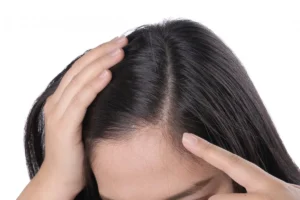
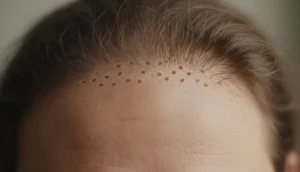
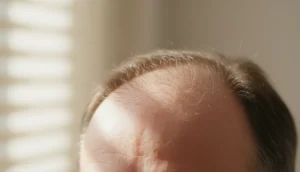
In addition to lab work, a scalp examination by a dermatologist or trichologist can reveal patterns characteristic of deficiency‑related thinning versus androgenetic alopecia. For example, diffuse thinning across the crown often points to nutritional issues, while a receding hairline suggests hormonal factors.
When results indicate low levels, a targeted nutrition plan can be implemented. It is essential to address the root cause rather than relying solely on over‑the‑counter hair loss products, which may not correct the underlying deficiency.
Dietary Strategies to Correct Deficiencies
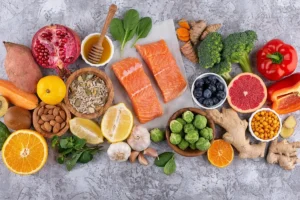
Food‑first nutrition is the most sustainable way to replenish missing nutrients. Below is a practical guide to incorporating hair‑supportive foods into daily meals.
- Iron‑rich options: Lean red meat, lentils, spinach, pumpkin seeds, and fortified cereals. Pair plant‑based iron sources with vitamin C‑rich foods (citrus, bell peppers) to enhance absorption.
- Zinc sources: Oysters, pumpkin seeds, chickpeas, and dairy products. Avoid excessive phytates (found in raw beans) that can inhibit zinc uptake.
- Vitamin D: Fatty fish (salmon, mackerel), fortified dairy, and safe sun exposure for 10‑15 minutes daily.
- B‑Complex: Whole grains, eggs, nuts, and leafy greens. Nutrient‑dense smoothies can combine several B‑vitamins in one serving.
- Omega‑3 fatty acids: Chia seeds, flaxseeds, walnuts, and fish oil. These help maintain scalp moisture and reduce inflammation.
- High‑quality protein: Chicken, turkey, Greek yogurt, tofu, and legumes. Aim for 0.8‑1.0 g of protein per kilogram of body weight daily.
Adopting a balanced “diet for good hair growth” not only addresses deficiencies but also supports overall health, which indirectly benefits hair density. Consistency is key; nutritional improvements may take 3‑6 months to reflect in hair thickness.
Supplement Options and When to Seek Professional Help
Supplements can bridge gaps when dietary changes are insufficient or impractical. Look for products that provide:
- Iron (preferably as ferrous bisglycinate) combined with vitamin C for better absorption.
- Zinc picolinate or gluconate, limited to 15 mg per day to avoid copper imbalance.
- Vitamin D3 (1000‑2000 IU) based on serum levels and physician recommendation.
- Biotin (5 mg) and a comprehensive B‑complex.
- Omega‑3 fish oil (EPA/DHA 1000 mg) for scalp health.
Before starting any supplement regimen, consult a healthcare professional to confirm the specific deficiencies identified in your blood work. Over‑supplementation can cause adverse effects, such as iron overload or zinc‑induced copper deficiency.
If nutritional interventions do not halt or reverse thinning after six months, consider advanced treatments. Hair transplant techniques like FUE (Follicular Unit Extraction) and DHI (Direct Hair Implantation) performed by experienced clinics—such as Gold City Hair—can provide permanent restoration for areas where follicles have been permanently miniaturized.
Why Choose Gold City Hair
Gold City Hair has been delivering personalized hair restoration solutions in Turkey since 2017. Our clinic combines state‑of‑the‑art FUE and DHI techniques with a compassionate, transparent approach. Every patient receives a thorough medical assessment, including nutritional evaluation, to ensure that hair loss is addressed from all angles. Trust our experienced team to guide you toward lasting confidence and a fuller head of hair.
Ready to revitalize your hair from the inside out? Contact Gold City Hair today for a comprehensive consultation and discover how personalized nutrition, targeted supplements, and expert transplant options can transform your look.
Take the first step toward healthier, thicker hair—schedule your appointment now.
FAQ
What nutrient deficiencies can cause hair thinning?
Iron, zinc, vitamin D, B‑complex vitamins, essential fatty acids, and protein are the most common deficiencies linked to thinning hair.
How does iron deficiency affect hair growth?
Iron deficiency lowers hemoglobin, reducing oxygen to the scalp and shortening the anagen phase.
Can vitamin D deficiency lead to hair loss?
Yes, low vitamin D can keep hair follicles dormant and increase telogen hairs.
What foods are best for preventing hair thinning?
Include iron‑rich meats, zinc‑rich seafood, vitamin D‑rich fish, B‑complex whole grains, omega‑3 seeds, and high‑quality protein sources.
When should I consider supplements for hair health?
If dietary changes don’t correct deficiencies after 3‑6 months or blood tests show low levels, targeted supplements are advisable.
How do I know if my hair loss is due to a nutritional deficiency?
Diffuse thinning, especially across the crown, combined with low blood‑test results for iron, zinc, vitamin D, or B‑vitamins, suggests a nutritional cause.