If you’re wondering what is PRP procedure and how it can help restore thinning hair, you’re not alone. Platelet‑rich plasma (PRP) therapy has become a popular option for individuals seeking a minimally invasive solution to hair loss. In this article we’ll explain the science, walk you through each step of the treatment, compare it with other methods, and discuss safety considerations so you can decide if PRP is right for you.
Hair loss affects millions worldwide, and many patients feel frustrated by the limited effectiveness of topical products alone. Recent studies show that PRP can stimulate dormant hair follicles, leading to measurable regrowth in as little as three months. Understanding the full process—from blood draw to injection—empowers you to set realistic expectations and make an informed choice.
We’ll also highlight why a specialized clinic like Gold City Hair, with years of experience in aesthetic and cosmetic procedures, can provide the personalized care needed for optimal results.
How PRP Works: The Science Behind Platelet‑Rich Plasma
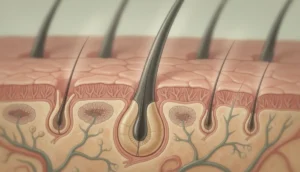
Platelet‑rich plasma is derived from your own blood and contains a high concentration of growth factors that promote tissue regeneration. When injected into the scalp, these growth factors activate stem cells, increase blood supply, and extend the anagen (growth) phase of hair follicles. The result is stronger, thicker hair over time.
Key components of PRP include:
- Platelets: Cells that release growth factors such as PDGF, TGF‑β, and VEGF.
- Plasma: The liquid portion of blood that carries nutrients and proteins.
- Growth Factors: Proteins that stimulate cell proliferation and angiogenesis.
Research indicates that PRP can increase follicle density by up to 30% when combined with proper aftercare. The therapy is also used in other cosmetic fields, such as the “vampire facial,” where PRP is applied to the skin for rejuvenation.
| Growth Factor | Primary Function |
|---|---|
| PDGF (Platelet‑Derived Growth Factor) | Stimulates cell division and tissue repair |
| VEGF (Vascular Endothelial Growth Factor) | Promotes new blood vessel formation |
| TGF‑β (Transforming Growth Factor‑Beta) | Regulates inflammation and collagen production |
The PRP Procedure Step‑by‑Step: What to Expect
Understanding the full process helps reduce anxiety and ensures you are prepared for each visit. Below is a typical timeline for a PRP hair treatment session.
1. Consultation and Assessment
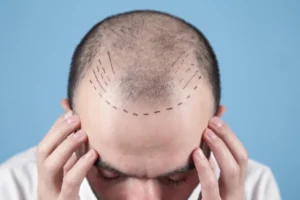
During the initial meeting, the clinician evaluates your hair loss pattern, medical history, and sets realistic goals. This is also the time to discuss any medications that might affect clotting.
2. Blood Collection
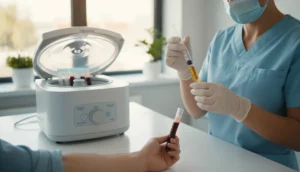
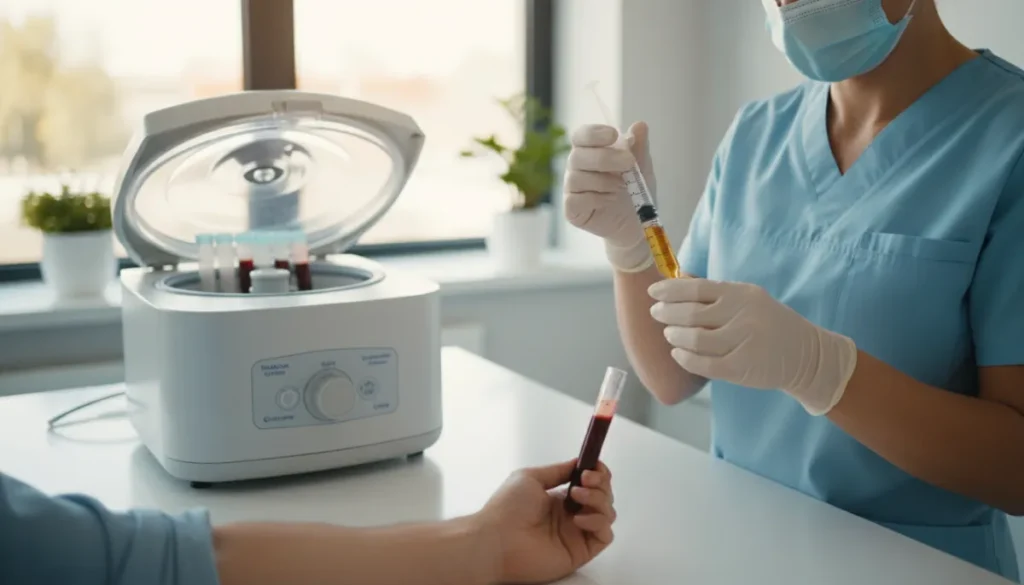
A small amount of blood (usually 10‑20 ml) is drawn from your arm, similar to a routine lab test. The sample is then placed in a centrifuge to separate the platelet‑rich layer from red blood cells.
3. Preparation of PRP
The centrifuged plasma is concentrated to achieve a platelet count three to five times higher than baseline. Some clinics add calcium chloride to activate the platelets before injection.
4. Scalp Microneedling (Optional)
Many practitioners combine PRP with microneedling to create micro‑channels that enhance absorption. This technique is often referred to as “PRP microneedling” and can improve results.
5. Injection
Using a fine‑gauge needle, the specialist injects the PRP into the targeted areas of the scalp. The procedure typically lasts 30‑45 minutes and is relatively painless.
6. Post‑Treatment Care
Patients are advised to avoid washing the scalp for 24 hours and to refrain from strenuous activity for a few days. Follow‑up sessions are usually scheduled every 4‑6 weeks for a total of three to four treatments.
- Typical session length: 30‑45 minutes
- Number of sessions: 3‑4
- Interval between sessions: 4‑6 weeks
Benefits of PRP for Hair Loss and Scalp Health
When patients ask what is PRP procedure they often want to know the tangible outcomes. PRP offers several distinct advantages compared with surgical or pharmaceutical options.
Non‑Surgical and Autologous: Because the plasma comes from your own blood, the risk of allergic reaction or rejection is minimal.
Minimal Downtime: Most individuals resume normal activities immediately after treatment, unlike invasive hair transplant surgeries that require weeks of recovery.
Improved Hair Thickness: Clinical trials have reported an average increase of 15‑30% in hair shaft diameter after a series of PRP sessions.
Versatility: PRP can be used on both men and women, and it works well for various types of hair loss, including androgenic alopecia, telogen effluvium, and post‑surgical thinning.
Below is a comparison of PRP outcomes versus other common hair restoration methods.
| Method | Invasiveness | Typical Results (6 months) | Recovery Time |
|---|---|---|---|
| PRP Therapy | Minimally invasive | 15‑30% increase in density | Same day |
| FUE Hair Transplant | Surgical | 70‑90% graft survival | 7‑10 days |
| Topical Minoxidil | Non‑invasive | 5‑10% increase in thickness | Immediate |
Comparing PRP with Other Hair Restoration Options
When deciding on a hair‑loss solution, it’s helpful to compare PRP against both surgical and non‑surgical alternatives.
Surgical Options
Follicular Unit Extraction (FUE) and Direct Hair Implantation (DHI) provide permanent grafts but involve anesthesia, incisions, and a longer healing period. PRP can be used as an adjunct to improve graft survival after surgery.
Pharmaceutical Treatments
Medications like finasteride and minoxidil are widely prescribed, yet they may cause side effects such as sexual dysfunction or scalp irritation. PRP offers a drug‑free approach with fewer systemic risks.
Other Cosmetic Procedures
Procedures such as the “vampire facial” use PRP for skin rejuvenation, illustrating the versatility of platelet‑rich plasma. However, for hair loss, dedicated scalp injections are essential to target follicular activity.
Below is a quick reference chart for decision‑making.
- Cost: PRP is generally lower than full‑scale transplant surgery but higher than over‑the‑counter topical products.
- Longevity: Results may last 12‑18 months, requiring maintenance sessions; surgical grafts are permanent.
- Suitability: Ideal for early‑stage thinning, women, and patients unwilling to undergo surgery.
Safety, Side Effects, and Aftercare for PRP Treatments
Understanding the safety profile of PRP helps you feel confident about proceeding. Since the plasma is autologous, allergic reactions are rare. Most reported side effects are mild and temporary.
Common Side Effects (typically resolve within 48 hours):
- Redness or swelling at injection sites
- Mild bruising
- Temporary scalp tenderness
Rare complications can include infection or nerve irritation, but these are minimized when the procedure is performed by experienced professionals in a sterile environment.
Aftercare Recommendations:
- Avoid washing the scalp for at least 24 hours.
- Skip intense workouts and sauna sessions for 48 hours.
- Use a gentle, sulfate‑free shampoo when you resume washing.
- Follow any prescribed topical treatments to support growth.
Patients often notice early signs of improvement, such as reduced shedding and a healthier scalp texture, within a few weeks after the first session.
Why Choose Gold City Hair
Gold City Hair has been delivering personalized hair restoration solutions since 2017, combining cutting‑edge PRP technology with a compassionate, transparent approach. Our team of certified specialists tailors each PRP session to your unique scalp condition, ensuring optimal platelet concentration and precise injection technique. Located in Turkey, we offer world‑class facilities at competitive prices, and our commitment to clear communication means you’ll always know what to expect before, during, and after treatment.
Choosing Gold City Hair means you benefit from:
- Extensive experience in both surgical and non‑surgical hair restoration.
- State‑of‑the‑art clinics adhering to international safety standards.
- Individualized treatment plans that integrate PRP with other proven therapies.
Ready to revitalize your hair with a safe, effective PRP procedure? Contact Gold City Hair today to schedule your personalized consultation and take the first step toward renewed confidence.
FAQ
What is the PRP procedure for hair loss?
PRP (platelet‑rich plasma) therapy involves drawing a small amount of your blood, processing it to concentrate platelets, and injecting the plasma into the scalp to stimulate hair growth.
How does PRP stimulate hair growth?
PRP delivers growth factors that activate stem cells, increase blood supply, and prolong the growth phase of hair follicles.
What are the steps involved in a PRP hair treatment?
Consultation, blood draw, centrifugation, PRP preparation, optional microneedling, injection, and post‑treatment care.
How many PRP sessions are needed to see results?
Most patients notice improvement after 3‑4 sessions spaced 4‑6 weeks apart.
What are the common side effects of PRP therapy?
Side effects are usually mild, such as temporary redness, swelling, bruising, or scalp tenderness.
Is PRP suitable for women with hair thinning?
Yes, PRP is effective for both men and women experiencing various types of hair loss.