When it comes to hair loss reversal men seek reliable solutions that restore confidence and natural appearance. This article explains the science behind male hair thinning, reviews non‑surgical and surgical options, and outlines lifestyle habits that support regrowth. Whether you are noticing a receding hairline or thinning crown, understanding the range of treatments helps you make an informed decision.
According to recent dermatology studies, over 30 % of men experience noticeable balding by age 35, and the figure rises to nearly 70 % by age 50. Early intervention can dramatically improve outcomes, especially when combining medication with modern transplant techniques.
We will explore the causes of androgenetic alopecia, compare popular hair growth products, detail the FUE and DHI transplant processes, and provide practical tips for maintaining healthy follicles. By the end, you’ll know which path offers the best chance for lasting hair restoration.
Understanding Male Pattern Baldness and Its Triggers
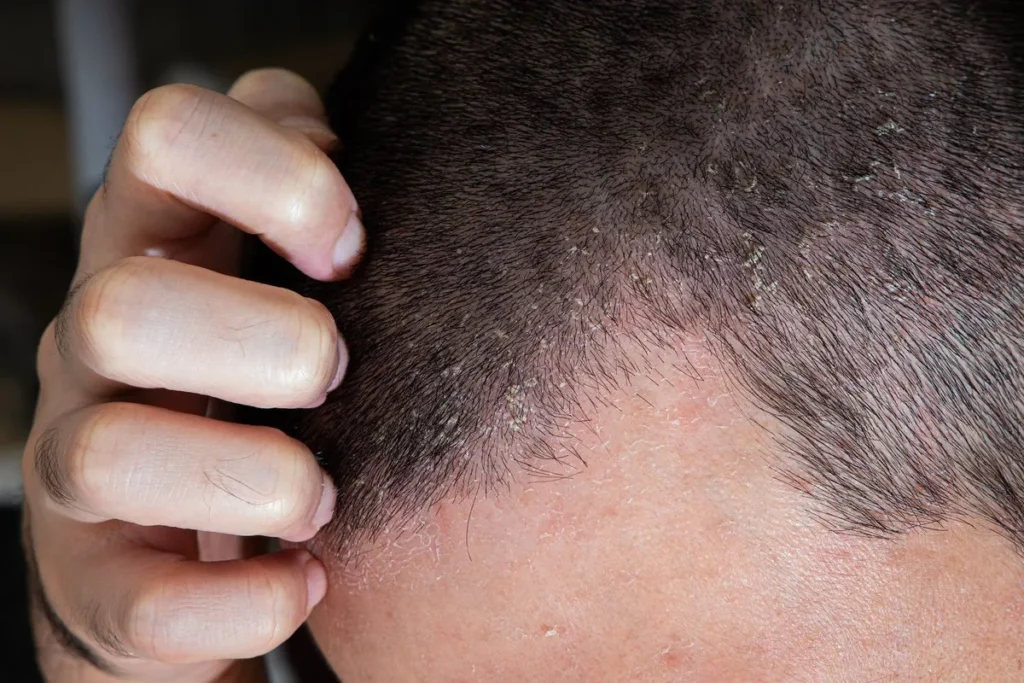
Male pattern baldness, medically known as androgenetic alopecia, accounts for the majority of hair loss cases in men. The condition is driven by a combination of genetic predisposition and the hormone dihydrotestosterone (DHT), which shortens the growth phase of each hair follicle.
Key factors that accelerate hair thinning include:
- Family history of baldness
- Elevated DHT levels
- Stress and poor sleep quality
- Nutrient deficiencies (iron, zinc, biotin)
- Smoking and excessive alcohol consumption
Clinicians often classify the progression using the Norwood–Hamilton scale, ranging from Stage 1 (minimal recession) to Stage 7 (extensive balding). Below is a concise comparison of early versus advanced stages:
| Stage | Typical Appearance | Recommended Interventions |
|---|---|---|
| 1‑2 | Receding hairline at temples | Topical minoxidil, lifestyle adjustments |
| 3‑4 | Noticeable thinning on crown | Finasteride, hair growth supplements, early‑stage transplant |
| 5‑7 | Significant bald patches | Advanced FUE/DHI transplant, combination therapy |
Understanding where you fall on this scale guides the selection of appropriate hair loss treatment strategies, whether you prefer medication, supplements, or surgical restoration.
Non‑Surgical Options: Medications and Topical Treatments
For many men, the first line of hair loss reversal involves proven medications and over‑the‑counter products. Two FDA‑approved drugs dominate the market:
- Finasteride – an oral pill that blocks the conversion of testosterone to DHT, slowing follicle miniaturization.
- Minoxidil – a topical solution that widens blood vessels, delivering nutrients to hair roots and extending the growth phase.
Clinical trials indicate that finasteride can reduce hair loss by up to 90 % when taken consistently for at least one year. Minoxidil, available in 2 % and 5 % strengths, can stimulate visible regrowth in roughly 40 % of users after six months.
Complementary hair growth products such as biotin‑rich supplements, saw‑tooth oak extract, and caffeine‑infused shampoos provide additional support. While they are not standalone cures, they enhance scalp health and may improve the efficacy of primary treatments.
Below is a quick reference table for selecting a regimen based on severity and lifestyle:
| Severity | Recommended Regimen | Key Benefits |
|---|---|---|
| Early thinning | Minoxidil 2 % + biotin supplement | Stimulates follicles, improves nutrient intake |
| Moderate balding | Finasteride 1 mg daily + minoxidil 5 % | Blocks DHT, promotes regrowth |
| Advanced loss | Finasteride + minoxidil + professional consultation for transplant | Maximizes medical control before surgery |
It is essential to discuss potential side effects—such as sexual dysfunction with finasteride or scalp irritation with minoxidil—with a qualified dermatologist before starting any regimen.
Surgical Solutions: FUE and DHI Hair Transplant Techniques
When medications no longer halt progression, many men turn to surgical restoration. The two most popular methods are Follicular Unit Extraction (FUE) and Direct Hair Implantation (DHI). Both techniques harvest individual follicles from a donor area—typically the back of the head—where hair is genetically resistant to DHT.
FUE involves extracting grafts with a micro‑punch tool, creating tiny circular scars that are virtually invisible. DHI builds on FUE by using a specialized implanter pen that places each follicle directly into the recipient site without creating pre‑made incisions, resulting in higher graft survival rates and denser coverage.
Key advantages of these modern procedures include:
- Natural‑looking hairline reconstruction
- Minimal downtime (usually 3‑5 days of mild soreness)
- Long‑lasting results—transplanted hairs continue to grow for life
Below is a side‑by‑side comparison of FUE and DHI:
| Feature | FUE | DHI |
|---|---|---|
| Extraction method | Micro‑punch tool | Same as FUE, but grafts are loaded into a pen |
| Implantation | Pre‑made slits | Direct implantation without slits |
| Graft survival rate | ≈ 85‑90 % | ≈ 95 % |
| Session length | 6‑10 hours (depends on graft count) | 5‑9 hours (often faster due to pen) |
Both FUE and DHI are considered safe when performed by experienced surgeons. The choice often depends on the patient’s desired density, scalp laxity, and budget. A thorough consultation will determine the optimal plan for achieving lasting hair regrowth for men.
Lifestyle and Natural Strategies to Support Hair Regrowth
Even after medical or surgical intervention, everyday habits play a crucial role in sustaining new growth. Nutrition, stress management, and scalp care are three pillars that complement any hair loss reversal plan.
Nutrition and Supplements
Hair follicles require a steady supply of protein, iron, zinc, and omega‑3 fatty acids. Foods rich in these nutrients include lean meats, beans, nuts, leafy greens, and fatty fish. In addition, targeted supplements such as best vitamins for hair growth—biotin, vitamin D, and marine collagen—can fill dietary gaps.
Stress Reduction
Chronic stress elevates cortisol, which can push hair follicles into the telogen (resting) phase, leading to shedding. Incorporating mindfulness practices, regular exercise, and adequate sleep (7‑9 hours) helps maintain hormonal balance and supports follicle health.
Scalp Hygiene
Gentle cleansing with sulfate‑free shampoos prevents follicle irritation. Periodic scalp massages stimulate blood flow, enhancing nutrient delivery to the roots. For those with oily scalps, a weekly clarifying treatment can reduce excess sebum that may clog follicles.
Below is a quick checklist to integrate these habits into daily life:
- Eat a balanced diet with 0.8 g protein per kilogram of body weight.
- Take a daily multivitamin containing biotin (5,000 µg) and zinc (15 mg).
- Practice 10‑minute meditation or deep‑breathing exercises each morning.
- Use a gentle, caffeine‑infused shampoo twice weekly.
- Massage scalp for 2‑3 minutes before bedtime.
Consistent adherence to these practices can boost the success of both medication and transplant outcomes, making the overall hair loss treatment for men more resilient.
Choosing the Right Clinic: What to Look For
Selecting a reputable clinic is a decisive factor in the success of any hair loss reversal journey. Key criteria include:
- Board‑certified surgeons with extensive experience in FUE and DHI.
- Transparent pricing and detailed treatment plans.
- Personalized consultations that assess individual scalp characteristics.
- Positive patient testimonials and before‑after galleries.
- Post‑procedure support, including follow‑up visits and medication guidance.
Many clinics also offer virtual assessments, allowing you to discuss your concerns from home before committing to travel. A clinic that prioritizes clear communication and individualized care will ensure you feel confident throughout the process.
Why Choose Gold City Hair
Gold City Hair has been delivering safe, effective hair restoration in Turkey since 2017. Our team specializes in FUE, DHI, and eyebrow/beard transplants, tailoring each procedure to the unique needs of every client. We combine state‑of‑the‑art technology with transparent communication, ensuring you understand every step of your hair loss reversal plan. Choose us for a personalized experience, proven expertise, and lasting results that boost confidence.
Ready to start your journey toward lasting hair restoration? Contact Gold City Hair today to schedule a free, no‑obligation consultation and discover the best solution for your unique needs.
FAQ
What causes male pattern baldness?
Male pattern baldness is caused by genetic factors and the hormone DHT, which shortens the hair growth phase.
How effective are finasteride and minoxidil for hair loss reversal?
Finasteride can reduce hair loss by up to 90% and minoxidil can stimulate visible regrowth in about 40% of users.
What is the difference between FUE and DHI hair transplant techniques?
FUE extracts follicles with a micro‑punch and creates pre‑made slits, while DHI uses an implanter pen to place grafts directly without slits.
Which hair loss treatment is best for early‑stage thinning?
Topical minoxidil combined with a biotin supplement is usually recommended for early thinning.
How do nutrition and stress affect hair regrowth?
Adequate protein, iron, zinc, and omega‑3s support follicle health, while chronic stress raises cortisol that can trigger shedding.
What should I look for when choosing a hair transplant clinic?
Choose a clinic with board‑certified surgeons, transparent pricing, personalized consultations, strong patient testimonials, and solid post‑procedure support.