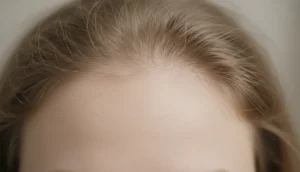
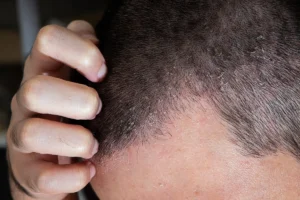
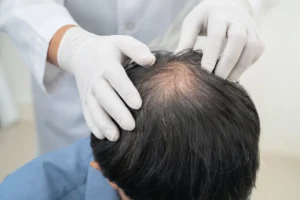
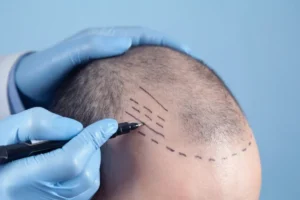
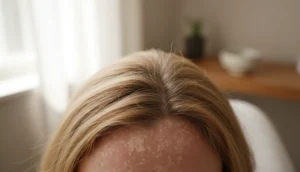
Many people notice that periods of intense worry coincide with anxiety hair thinning. This connection is more than coincidence; the body’s response to chronic anxiety can directly disrupt the hair growth cycle, leading to noticeable shedding and reduced density. Understanding why this happens, how to recognize the early signs, and what steps you can take is essential for preserving confidence and long‑term scalp health. In fact, studies show that up to 40 % of individuals experiencing high stress report noticeable hair loss within a few months.
In this article we will explore the biological mechanisms behind anxiety‑related hair thinning, differentiate it from other forms of hair loss, and outline practical medical and lifestyle strategies to halt and reverse the process. Whether you are dealing with occasional shedding or more persistent thinning, the information here will help you make informed decisions and regain control over your hair health.
We’ll also discuss when professional evaluation is advisable and how a reputable clinic such as Gold City Hair can provide personalized solutions tailored to stress‑induced hair loss.
How Anxiety Triggers Hair Thinning
The link between mental stress and hair loss is primarily mediated through the body’s stress response system. When anxiety spikes, the hypothalamic‑pituitary‑adrenal (HPA) axis releases cortisol, a hormone that, in excess, pushes a larger proportion of hair follicles into the resting telogen phase. This phenomenon is known as telogen effluvium, a common form of shedding that often follows periods of intense emotional strain.
Key mechanisms include:
- Elevated cortisol levels reducing blood flow to the scalp.
- Inflammatory cytokines that disrupt follicle health.
- Hormonal imbalances that affect the anagen (growth) phase.
- Behavioral changes such as poor sleep or neglect of scalp hygiene.
These factors together can cause hair to fall out in clumps, especially on the top of the head, a pattern frequently described as “hair falling out in clumps” or “hair loss from stress.” While the shedding is usually temporary, prolonged anxiety can lead to chronic telogen effluvium, making recovery slower.
| Stress Type | Typical Duration | Hair Loss Pattern | Recovery Time |
|---|---|---|---|
| Acute anxiety (days‑weeks) | 1‑3 months | Diffuse shedding, hair fall on top | 3‑6 months |
| Chronic anxiety (months‑years) | 6‑12 months+ | Persistent thinning, possible bald patches | 12‑24 months or longer |
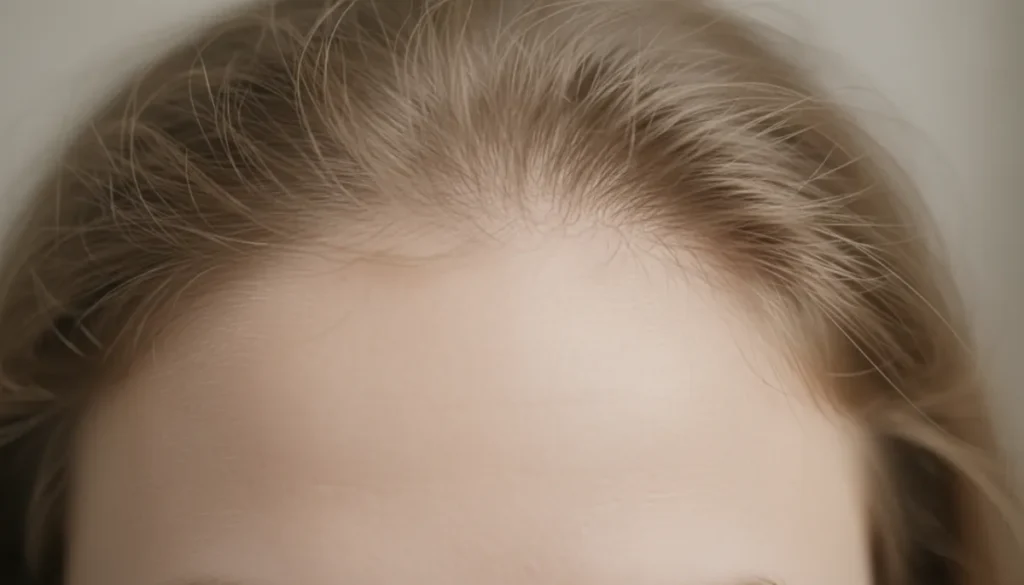
Identifying the Signs of Stress‑Related Hair Loss
Early detection is crucial because the longer anxiety‑induced shedding continues, the more follicles may enter a prolonged telogen state. Typical signs include:
- Increased hair on the pillow or in the shower drain.
- Noticeable thinning along the hairline or crown.
- Hair coming out in clumps rather than single strands.
- Feeling of “moulting” where large amounts shed over a short period.
- Absence of scalp inflammation or scarring, distinguishing it from alopecia areata.
Patients often ask, “does stress cause hair loss?” or “can anxiety cause hair thinning?” The answer is yes, especially when stress is chronic. Telogen effluvium symptoms such as diffuse shedding and a noticeable increase in daily hair loss are hallmark indicators. If you observe these patterns for more than two months, it is advisable to seek a professional evaluation.
Diagnostic steps typically involve a detailed medical history, a scalp examination, and sometimes a blood test to rule out nutritional deficiencies. Understanding whether the shedding aligns with a stressful event helps clinicians differentiate anxiety‑related loss from other conditions like androgenetic alopecia.
Medical Treatments and Therapies for Anxiety‑Induced Thinning
When lifestyle changes alone are insufficient, medical interventions can accelerate recovery. While the root cause remains stress, treatments aim to stimulate follicles back into the anagen phase and protect existing hair. Common options include:
- Minoxidil – a topical vasodilator that prolongs the growth phase.
- Low‑level laser therapy (LLLT) – stimulates cellular activity in the scalp.
- Platelet‑rich plasma (PRP) injections – deliver growth factors to dormant follicles.
- Oral supplements such as biotin, zinc, and omega‑3 fatty acids.
- Hair transplant techniques (FUE, DHI) for permanent restoration when shedding has become permanent.
For telogen effluvium specifically, the primary goal is to reduce the underlying stressor while supporting follicle health. A typical telogen effluvium treatment plan may combine stress management counseling with minoxidil and nutritional support.
| Treatment | Mechanism | Typical Duration | Best For |
|---|---|---|---|
| Minoxidil 5% | Increases blood flow, prolongs anagen | 3‑6 months | Early‑stage thinning |
| PRP Injections | Growth factor delivery | 6‑12 months | Chronic shedding, post‑stress recovery |
| FUE/DHI Transplant | Follicular unit extraction and implantation | 12‑18 months (full result) | Permanent thinning after stress |
Choosing the right approach depends on the severity of the thinning, the duration of anxiety, and personal preferences. Consulting a qualified clinic ensures a tailored plan that addresses both the psychological trigger and the physical manifestation.
Lifestyle Changes to Reduce Anxiety and Protect Your Hair
Since anxiety is the primary driver, managing stress is a cornerstone of any hair‑preserving strategy. Effective lifestyle adjustments include:
- Regular physical activity – aerobic exercise lowers cortisol levels.
- Mind‑body practices – meditation, yoga, or deep‑breathing techniques.
- Balanced nutrition – protein‑rich foods, iron, vitamin D, and antioxidants.
- Quality sleep – aim for 7‑9 hours to support the hair growth cycle.
- Limiting stimulants – excessive caffeine or alcohol can exacerbate anxiety.
In addition, avoiding harsh hair treatments, reducing heat styling, and using gentle, sulfate‑free shampoos can minimize mechanical stress on already vulnerable follicles. Many individuals find that incorporating a short daily relaxation routine reduces the frequency of “hair loss when stressed” episodes.
Remember that stress‑related hair loss is often reversible when the underlying anxiety is addressed. Consistency in these habits not only improves overall well‑being but also creates an environment where hair can regrow naturally.
When to Seek Professional Help: Consulting a Hair Restoration Expert
If you notice persistent thinning despite stress‑reduction efforts, it is time to schedule a consultation with a hair restoration specialist. Indicators that professional evaluation is warranted include:
- Shedding lasting longer than six months.
- Visible bald patches or recession of the hairline.
- Concurrent scalp symptoms such as itching or redness.
- Failure of over‑the‑counter treatments to halt loss.
A qualified clinic will conduct a comprehensive assessment, which may involve a trichoscopic examination, blood work, and a review of your anxiety history. The goal is to differentiate anxiety‑related thinning from other conditions like androgenetic alopecia or alopecia areata, and then recommend a customized plan.
Gold City Hair combines cutting‑edge transplant techniques (FUE, DHI) with personalized medical care. Their experienced team emphasizes transparent communication, ensuring you understand each step—from diagnosis to post‑procedure follow‑up—so you can make confident decisions about restoring your hair and confidence.
Why Choose Gold City Hair
Gold City Hair has been delivering safe, effective hair restoration in Turkey since 2017. Their team specializes in FUE, DHI, and eyebrow/beard transplants, offering personalized treatment plans that address both the physical and emotional aspects of hair loss. With a focus on transparent communication and patient‑centered care, Gold City Hair ensures each client receives a clear roadmap to recovery, backed by modern technology and a commitment to lasting results.
Ready to reclaim your confidence and stop anxiety‑related hair thinning? Contact Gold City Hair today to schedule a comprehensive, no‑obligation consultation and discover the best path to fuller, healthier hair.
FAQ
Can anxiety cause hair thinning?
Yes, chronic anxiety can trigger hair thinning by disrupting the hair growth cycle.
What is telogen effluvium and how is it linked to stress?
Telogen effluvium is a temporary shedding condition caused by stress pushing follicles into the telogen phase.
How long does stress‑related hair loss usually last?
Acute stress‑related shedding lasts 3‑6 months, while chronic stress can persist for a year or more.
What medical treatments are effective for anxiety‑induced hair thinning?
Minoxidil, PRP injections, low‑level laser therapy, and nutritional supplements are commonly used.
When should I see a hair restoration specialist for stress‑related thinning?
If shedding lasts longer than six months, you notice bald patches, or over‑the‑counter products fail.