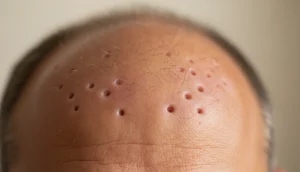
When you search for hair replacement for alopecia, you’re looking for a reliable way to restore density, confidence, and a natural appearance. Alopecia, whether it presents as patchy loss or total baldness, can affect anyone and often leads to emotional distress. This article explains the most effective approaches, the science behind them, and what you can expect from a top‑tier clinic like Gold City Hair. Understanding the options helps you make an informed decision that aligns with your lifestyle and aesthetic goals.
According to recent studies, over 40 million people worldwide experience some form of alopecia, and the demand for permanent solutions has surged by more than 30 % in the past five years. Traditional hair loss treatments such as topical minoxidil or oral finasteride may slow shedding, but they rarely restore lost follicles. That’s why many turn to surgical hair restoration methods that provide lasting density.
In the sections that follow, we’ll explore the biology of alopecia, the cutting‑edge techniques available, how to choose the right plan for your specific condition, and the essential after‑care steps that keep results looking fresh for years. Whether you’re dealing with androgenetic alopecia, alopecia areata, or scarring alopecia, the information here will guide you toward a confident, hair‑filled future.
Understanding Alopecia and the Need for Hair Replacement
Alopecia is an umbrella term covering several types of hair loss, each with distinct causes and patterns. The most common form, androgenetic alopecia, is driven by genetic sensitivity to dihydrotestosterone (DHT). Other variants—such as alopecia areata, which is autoimmune, and cicatricial (scarring) alopecia, caused by inflammation—require different therapeutic approaches.
While topical hair growth products and oral medications like finasteride can help manage early‑stage loss, they seldom replace follicles that have already disappeared. This is where hair replacement for alopecia becomes essential: it offers a permanent, natural‑looking solution by transplanting healthy hair from a donor area to the balding zone.
Key factors influencing the decision to pursue a transplant include:
- Extent and pattern of hair loss
- Age and overall health
- Donor hair availability
- Personal expectations and lifestyle
Below is a quick comparison of non‑surgical vs. surgical approaches:
| Aspect | Non‑Surgical Treatments | Surgical Hair Replacement |
|---|---|---|
| Mechanism | Stimulate existing follicles | Transplant healthy follicles |
| Result Longevity | Temporary, requires ongoing use | Permanent (up to 15‑20 years) |
| Typical Cost | Low to moderate | Higher upfront investment |
| Maintenance | Regular medication | Occasional follow‑up |
For many patients, the promise of a permanent, low‑maintenance solution outweighs the higher initial cost, especially when the psychological impact of alopecia is considered.
Modern Hair Replacement Techniques: FUE, DHI, and Beyond
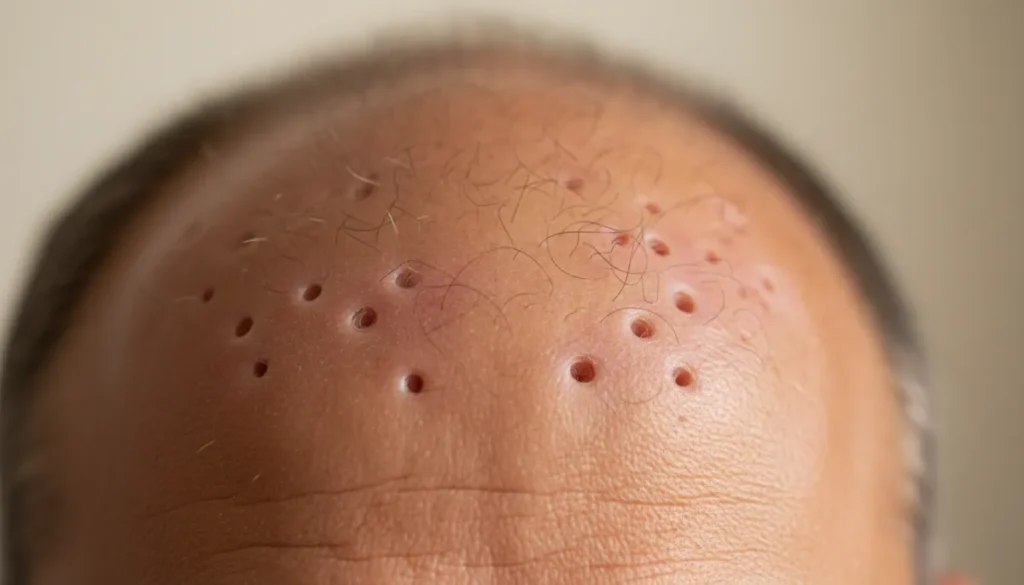
Today’s most popular surgical methods are Follicular Unit Extraction (FUE) and Direct Hair Implantation (DHI). Both are minimally invasive, leave virtually no linear scar, and allow for precise placement of grafts to mimic natural hair direction.
FUE involves extracting individual follicular units from the donor area—usually the back of the head—using a micro‑punch tool. The grafts are then stored in a chilled solution before being implanted into pre‑made channels in the recipient zone. This technique offers flexibility in designing hairlines and is suitable for most alopecia types.
DHI builds on FUE by using a patented implanter pen that allows the surgeon to load grafts directly into the scalp without creating pre‑made incisions. This reduces handling time, improves graft survival, and yields a denser result, especially valuable for patients with limited donor hair.
Other emerging options include:
- Robotic‑assisted FUE for ultra‑precise extraction
- Stem‑cell‑enhanced grafts to boost growth rates
- Platelet‑rich plasma (PRP) adjunct therapy to improve healing
When evaluating a clinic, consider the following criteria to ensure you receive the highest quality hair replacement for alopecia care:
- Surgeon’s certification and experience with FUE/DHI
- Facility accreditation and hygiene standards
- Transparency in pricing and post‑operative support
- Patient testimonials and before‑after portfolios
Choosing a clinic that adheres to these standards maximizes graft survival and long‑term satisfaction.
Choosing the Right Hair Replacement Strategy for Your Alopecia Type
Not every alopecia case benefits from the same approach. A thorough evaluation—including medical history, scalp examination, and possibly a trichogram—helps determine the most suitable plan.
Below is a decision matrix that aligns alopecia categories with recommended treatments:
| Alopecia Type | Primary Concern | Recommended Replacement Method | Adjunct Therapies |
|---|---|---|---|
| Androgenetic Alopecia | Gradual thinning, receding hairline | FUE or DHI with donor strip from occipital scalp | Finasteride, minoxidil, PRP |
| Alopecia Areata | Patchy, sudden loss | Targeted micro‑grafts after disease stabilization | Corticosteroid injections, immunotherapy |
| Cicatricial Alopecia | Scarring, permanent follicle loss | Scar‑revision grafts, possibly combined with tissue expansion | Anti‑inflammatory medication |
| Diffuse Thinning (Female) | Uniform thinning across scalp | Low‑density FUE with strategic placement | Hormonal evaluation, iron supplementation |
In many cases, a hybrid approach works best: surgical transplantation paired with medical therapy such as finasteride for hair loss or hair growth supplements. This combination helps preserve existing hair while the transplanted follicles mature.
Patients often ask whether “hair plugs” are still used. Modern techniques have replaced plugs with individual follicular units, resulting in a far more natural look and eliminating the “bushy” appearance of older methods.
Post‑Procedure Care and Maintaining Results
Successful hair replacement for alopecia doesn’t end in the operating room. Proper after‑care maximizes graft survival and ensures a natural, long‑lasting outcome.
Key post‑operative steps include:
- First 48 hours: Keep the scalp clean, avoid touching grafts, and sleep with the head elevated.
- Week 1‑2: Gentle shampooing as instructed, avoid direct sun exposure, and refrain from strenuous exercise.
- Weeks 3‑4: Expect shedding of transplanted hairs (known as “shock loss”); this is normal and a sign of new growth cycles.
- Months 2‑6: New hair growth becomes visible; continue using mild shampoos and consider PRP sessions to boost density.
Long‑term maintenance may involve:
- Periodic topical minoxidil to sustain existing hair
- Regular nutritional support—biotin, zinc, and omega‑3 fatty acids
- Annual check‑ups with your surgeon to monitor graft health
Patients who combine a healthy lifestyle with occasional medical support often see the best durability. For example, a balanced diet rich in protein and antioxidants can improve scalp vascularity, while avoiding smoking reduces the risk of graft loss.
Supporting Factors for Long‑Term Success
Beyond the surgical procedure, several external factors influence the longevity of your hair restoration. Understanding these can help you protect your investment.
Nutrition plays a pivotal role. Deficiencies in iron, vitamin D, or B‑complex vitamins can trigger shedding even after a successful transplant. Incorporating foods such as salmon, leafy greens, nuts, and eggs provides essential nutrients for hair follicle health.
Medications like finasteride or dutasteride reduce DHT levels, slowing further loss of native hair. For women, low‑dose spironolactone or topical anti‑androgens may be appropriate, but always consult a specialist before starting any regimen.
Stress management is another often‑overlooked component. Chronic stress elevates cortisol, which can push hair follicles into the telogen (resting) phase. Practices such as meditation, regular exercise, and adequate sleep contribute to a healthier hair cycle.
Finally, consider adjunctive technologies such as low‑level laser therapy (LLLT) or red light therapy. While not a replacement for transplantation, these modalities can improve scalp circulation and support existing follicles.
By integrating proper nutrition, medication, lifestyle habits, and optional supportive therapies, you can maximize the durability of your hair replacement for alopecia results and enjoy a fuller head of hair for many years.
Why Choose Gold City Hair
Gold City Hair has been delivering personalized hair restoration in Turkey since 2017. Our team combines extensive experience with the latest FUE and DHI technologies, ensuring high graft survival rates and natural‑looking outcomes. Transparent communication, individualized treatment plans, and a commitment to patient comfort set us apart as a trusted partner in your journey toward confidence.
Ready to start your transformation? Contact Gold City Hair today for a personalized consultation and discover how our expert team can restore your hair and confidence.
Take the first step toward a natural, lasting solution—schedule your appointment now.
FAQ
What is hair replacement for alopecia?
Hair replacement for alopecia is a surgical procedure that transplants healthy donor hair to balding areas, providing a permanent, natural‑looking solution.
How do FUE and DHI hair transplantation techniques differ?
FUE extracts individual follicles and implants them after creating channels, while DHI uses a pen‑like implanter to place grafts directly without pre‑made incisions.
Which types of alopecia are suitable for hair transplantation?
Androgenetic alopecia, stable alopecia areata, and certain cases of cicatricial alopecia can be treated with hair transplantation.
What is the typical recovery timeline after a hair transplant?
Most patients resume light activities within 1‑2 weeks, with visible new growth appearing after 3‑4 months and full results by 12‑18 months.
How can I maintain my hair transplant results long term?
Maintain results with proper after‑care, ongoing minoxidil use, balanced nutrition, and periodic medical check‑ups.
Are there non‑surgical alternatives to hair replacement for alopecia?
Yes, options include topical minoxidil, oral finasteride, low‑level laser therapy, and platelet‑rich plasma injections.