When hair loss triggers anxiety, seeing telogen effluvium regrowth pictures can provide reassurance and a realistic roadmap for recovery. Telogen effluvium (TE) is a common, often stress‑related, shedding condition that affects millions worldwide. While the loss can appear alarming, most cases are temporary and respond well to proper care.
In this article we will explain the biology behind TE, outline the typical timeline for hair regrowth, discuss factors that speed or slow recovery, and share practical strategies—including lifestyle tweaks and medical options—to help you regain a fuller scalp. Real‑world images illustrate each stage, so you know what to expect as your hair grows back.
Understanding the process empowers you to set realistic expectations, track progress, and avoid unnecessary treatments. Let’s dive into the details that turn uncertainty into confidence.
Understanding Telogen Effluvium and Its Impact
Telogen effluvium is a form of diffuse hair loss that occurs when a larger-than‑usual number of hair follicles enter the telogen (resting) phase simultaneously. This shift can be triggered by acute stress, hormonal changes, nutritional deficiencies, or certain medications. The result is a noticeable thinning across the scalp rather than distinct bald patches.
Key characteristics include:
- Shedding of 50–100 hairs per day, compared with the normal 5–10.
- Diffuse thinning that is usually most apparent at the crown.
- Absence of inflammation or scarring on the scalp.
A simple table helps compare TE with other common hair loss types:
| Feature | Telogen Effluvium | Androgenetic Alopecia | Alopecia Areata |
|---|---|---|---|
| Pattern | Diffuse thinning | Receding hairline & crown | Patchy bald spots |
| Onset | Weeks to months after trigger | Gradual over years | Sudden patches |
| Scarring | No | No | Usually no |
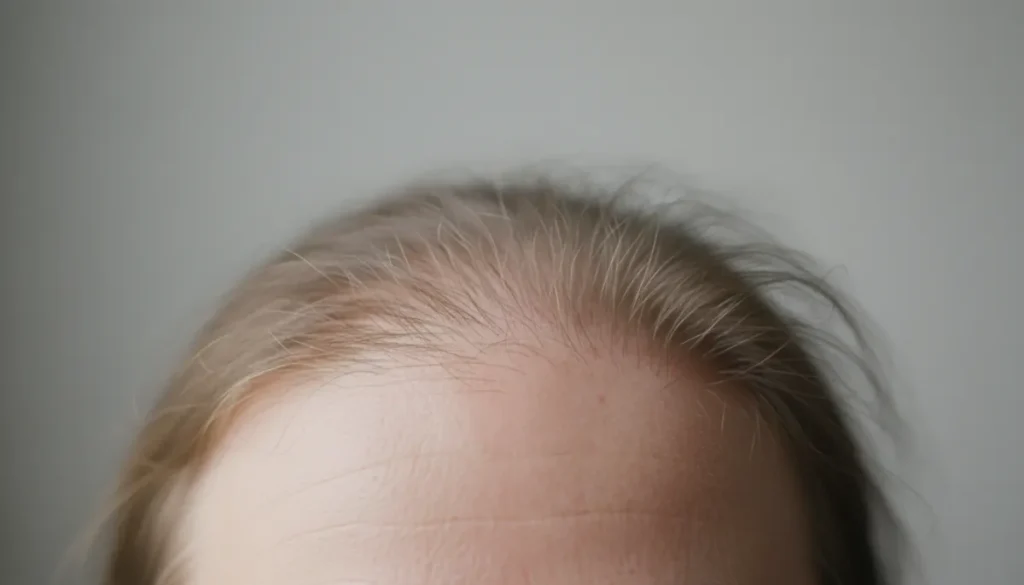
Recognizing these differences is crucial when evaluating telogen effluvium regrowth pictures because the visual pattern of recovery differs from patterned baldness. Most patients see improvement within three to six months once the underlying trigger is addressed.
Typical Recovery Timeline and Visual Signs of Regrowth
The healing journey after a telogen effluvium episode follows a predictable sequence. While individual experiences vary, most people notice the following milestones:
- Weeks 0‑4: Ongoing shedding; hair follicles remain in telogen.
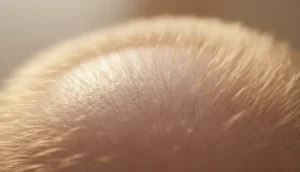
- Weeks 4‑12: New anagen (growth) hairs emerge; early regrowth appears as fine, lighter-colored vellus hairs.
- Months 3‑6: Vellus hairs thicken into terminal hairs; overall density improves.
- Months 6‑12: Full maturation of new hairs; scalp looks similar to pre‑TE baseline.
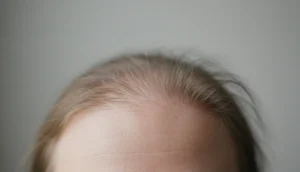
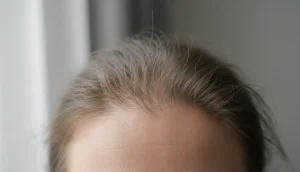
Visual documentation through photographs is a powerful way to monitor these stages. Below is a sample progression chart based on real patient images (anonymized for privacy):
| Time Point | Typical Appearance |
|---|---|
| 1 Month | Visible shedding, no new growth yet. |
| 3 Months | Fine, pale hairs beginning to fill gaps. |
| 6 Months | Thicker, darker hairs blend with existing hair. |
| 12 Months | Uniform density, regrowth pictures resemble baseline. |
When you compare your own photos to these benchmarks, you’ll recognize whether your recovery aligns with the typical timeline or if additional support may be needed.
Factors That Influence Regrowth Speed and Quality
Not every case of telogen effluvium follows the textbook timeline. Several variables can accelerate or delay the return of healthy hair:
- Age: Younger individuals typically experience faster follicular turnover.
- Nutritional Status: Deficiencies in iron, zinc, or vitamin D can prolong shedding.
- Stress Management: Ongoing psychological stress may keep follicles in telogen.
- Underlying Health Conditions: Thyroid disorders or autoimmune diseases can interfere with regrowth.
- Medication Use: Certain drugs (e.g., anticoagulants) may exacerbate shedding.
Understanding these factors helps you tailor interventions. For instance, correcting iron deficiency often yields noticeable improvement within 8‑12 weeks, while chronic stress may require counseling or relaxation techniques to see benefits.
Below is a quick reference matrix linking common influences to recommended actions:
| Influence | Potential Impact | Suggested Action |
|---|---|---|
| Iron deficiency | Delayed anagen entry | Blood test & iron supplementation |
| High cortisol | Prolonged telogen phase | Mindfulness, exercise, sleep hygiene |
| Thyroid imbalance | Irregular hair cycle | Endocrine evaluation, medication adjustment |
| Medication side‑effects | Increased shedding | Review with physician, consider alternatives |
By addressing these variables early, you increase the likelihood that your telogen effluvium regrowth pictures will show a swift and robust return of hair.
Practical Strategies and Treatments to Support Regrowth
While telogen effluvium often resolves on its own, proactive steps can shorten the recovery period and improve hair quality. Below are evidence‑based recommendations:
- Balanced Diet: Prioritize proteins, omega‑3 fatty acids, and micronutrients (iron, zinc, biotin).
- Stress Reduction: Incorporate meditation, yoga, or regular aerobic exercise.
- Scalp Care: Gentle cleansing, occasional scalp massage to stimulate circulation.
- Medical Options: In select cases, physicians may prescribe low‑dose minoxidil or address hormonal imbalances.
- Supplements: Clinically studied formulas containing saw palmetto, marine collagen, and vitamin D.
For those seeking a more targeted approach, a consultation with a hair restoration specialist can determine whether a short course of minoxidil or platelet‑rich plasma (PRP) therapy is appropriate. However, it’s essential to remember that these treatments complement, rather than replace, the body’s natural healing mechanisms.
Below is a concise checklist you can use to evaluate your daily routine:
| Area | Current Habit | Improvement Idea |
|---|---|---|
| Nutrition | Occasional meat, low greens | Add iron‑rich meals 3×/week |
| Sleep | 6 hours/night | Aim for 7‑8 hours, consistent schedule |
| Stress | High work pressure | 10‑minute mindfulness break daily |
| Scalp Hygiene | Daily shampoo, vigorous rubbing | Gentle sulfate‑free shampoo, light massage |
Implementing these strategies can make your telogen effluvium regrowth pictures look healthier and more vibrant at each follow‑up.
Interpreting Regrowth Pictures: What to Expect and How to Track Progress
Photographic documentation is a simple yet powerful tool for monitoring telogen effluvium recovery. To get the most accurate picture, follow these guidelines:
- Consistent Lighting: Use natural daylight or the same artificial light source each time.
- Same Angle & Distance: Mark the camera position and keep it unchanged.
- Hair Part Consistency: Photograph both the left and right sides with the same parting.
- Time Intervals: Capture images at baseline, 1 month, 3 months, 6 months, and 12 months.
When you review your telogen effluvium regrowth pictures, look for these visual cues:
- Emergence of fine, lighter hairs (early anagen).
- Gradual darkening and thickening of new strands.
- Even distribution across previously thinned zones.
- Reduction in overall shedding visible in day‑to‑day photos.
Should you notice stagnation after six months, it may indicate an unresolved trigger or the need for professional evaluation. In such cases, a dermatologist can assess for co‑existing conditions like androgenetic alopecia, which may require different interventions.
Why Choose Gold City Hair
At Gold City Hair, we combine cutting‑edge hair restoration techniques with a personalized, transparent approach. Since 2017, our clinic in Turkey has helped thousands regain confidence through FUE, DHI, and specialized eyebrow or beard transplants. Our experienced team provides thorough assessments, clear communication, and post‑procedure support, ensuring each patient receives a solution tailored to their unique needs.
Ready to see your own regrowth journey? Contact Gold City Hair today to schedule a comprehensive consultation and start your path to a fuller, healthier scalp.
FAQ
What is telogen effluvium and how does it cause hair loss?
Telogen effluvium is a diffuse shedding condition where many hair follicles enter the resting (telogen) phase at once, leading to increased daily hair loss.
How long does it usually take for hair to regrow after telogen effluvium?
Most people see noticeable regrowth within three to six months, with full recovery often achieved by 12 months.
Which factors can speed up or slow down telogen effluvium recovery?
Age, nutrition, stress management, underlying health conditions, and certain medications can all influence the speed of regrowth.
What lifestyle changes can support hair regrowth in telogen effluvium?
A balanced diet rich in protein and micronutrients, regular stress‑relief practices, gentle scalp care, and adequate sleep are key.
When should I consider medical treatments like minoxidil for telogen effluvium?
If shedding persists beyond six months despite addressing triggers, or if you have co‑existing androgenetic alopecia, medical options may be appropriate.
How can I effectively use photos to track my hair regrowth progress?
Take consistent, well‑lit photos from the same angles and distances at set intervals to compare changes over time.