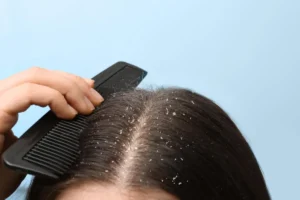
Hair thinning behind ears is a subtle yet often unsettling sign that many people overlook until the pattern becomes more noticeable. This specific area of hair loss can be an early indicator of broader scalp issues, hormonal shifts, or mechanical stress. Recognizing the cause early allows for targeted treatment and can prevent further progression.
According to dermatological studies, up to 30% of men and women experience some degree of hair loss in the region behind the ears before noticing thinning on the crown or temples. The hidden nature of this area means that many individuals remain unaware until the hairline begins to recede or a bald spot forms.
In this article we will explore the most common reasons behind this condition, how specialists diagnose it, the range of treatment options—including modern transplant techniques—and practical steps you can take today to protect the hair in this often‑neglected zone.
Common Causes of Hair Thinning Behind Ears
Understanding why hair thinning behind ears occurs is the first step toward effective management. Several factors, both internal and external, can contribute to this localized loss.
- Androgenetic alopecia – the most prevalent form of hereditary hair loss, often affecting the temporal and occipital regions first.
- Traction alopecia – chronic pulling from tight hairstyles or frequent headwear.
- Telogen effluvium – a temporary shedding phase triggered by stress, illness, or medication.
- Alopecia areata – an autoimmune condition that can create round patches anywhere on the scalp, including behind the ears.
- Hormonal imbalances – especially fluctuations in DHT (dihydrotestosterone) that target hair follicles in the side and back of the head.
Below is a comparison of the most frequent causes, highlighting key characteristics that help differentiate them during a clinical assessment.
| Cause | Typical Pattern | Onset Age | Reversibility |
|---|---|---|---|
| Androgenetic alopecia | Gradual thinning behind ears, receding hairline | 20‑40 years | Partial (medical therapy) or permanent (transplant) |
| Traction alopecia | Sharp line of loss where hair is pulled | Any age | Usually reversible if stress removed |
| Telogen effluvium | Diffuse shedding, often noticed behind ears first | Any age | Typically reversible within months |
| Alopecia areata | Round, smooth patches | Childhood‑adulthood | Variable; may regrow spontaneously |
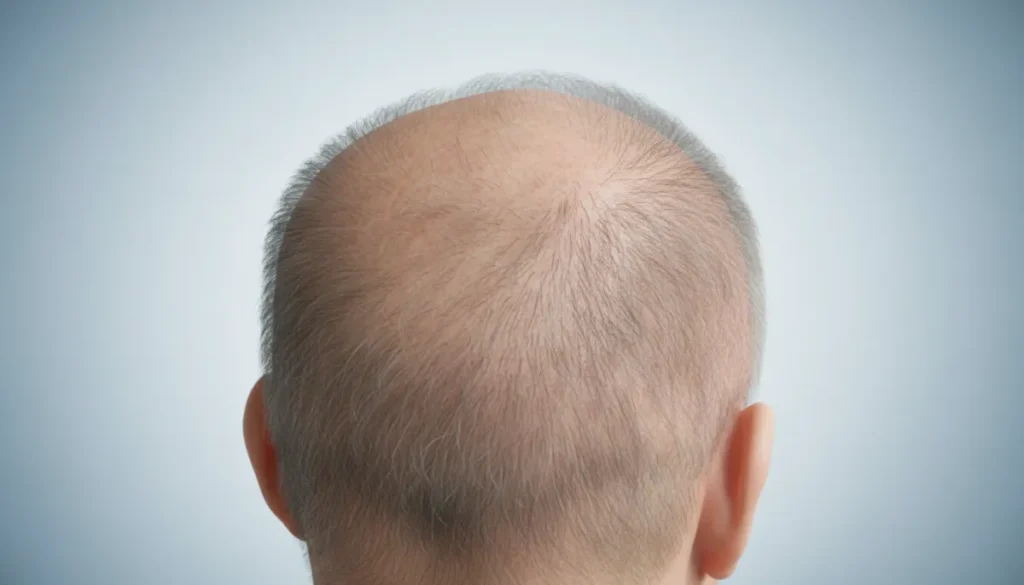
How to Diagnose Hair Thinning Behind Ears
Accurate diagnosis is essential for selecting the right treatment plan. Dermatologists and hair restoration specialists employ a combination of visual inspection, medical history, and specialized tests.
Clinical Examination
The clinician first assesses the pattern of loss, texture of remaining hair, and scalp health. A pull test may be performed to gauge the number of hairs shedding with gentle traction. This helps differentiate between active shedding (telogen effluvium) and stable thinning (androgenetic alopecia).
Diagnostic Tools
- Trichoscopy – a dermatoscopic examination that reveals follicular details such as miniaturization and perifollicular inflammation.
- Blood tests – to check thyroid function, iron levels, and hormone panels that could influence hair growth.
- Scalp biopsy – rarely needed, but useful for confirming alopecia areata or scarring alopecias.
The table below outlines the most common diagnostic methods, their purpose, and typical findings related to hair thinning behind ears.
| Method | Purpose | Typical Findings | Invasiveness |
|---|---|---|---|
| Visual Inspection | Identify pattern | Localized thinning, miniaturized follicles | Non‑invasive |
| Trichoscopy | Microscopic follicle assessment | Miniaturization, perifollicular scaling | Non‑invasive |
| Blood Tests | Detect systemic causes | Abnormal thyroid, low ferritin, hormonal imbalance | Minimally invasive |
| Scalp Biopsy | Confirm autoimmune or scarring alopecia | Inflammatory infiltrate, follicular destruction | Invasive |
Treatment Options for Hair Thinning Behind Ears
Once the underlying cause is identified, a range of treatments can be considered. Options fall into three broad categories: medical therapy, minimally invasive procedures, and surgical restoration.
Medical Therapies
- Topical minoxidil – stimulates follicular activity and prolongs the growth phase.
- Oral finasteride – reduces DHT levels, slowing androgen‑driven thinning.
- Anti‑inflammatory agents – for alopecia areata or scalp dermatitis.
Minimally Invasive Procedures
- Platelet‑rich plasma (PRP) injections – deliver growth factors directly to the affected area.
- Low‑level laser therapy (LLLT) – enhances cellular metabolism in hair follicles.
Surgical Restoration
When medical and minimally invasive methods are insufficient, a hair transplant may provide a permanent solution. The most effective techniques for the behind‑ears region are Follicular Unit Extraction (FUE) and Direct Hair Implantation (DHI). Both methods allow precise placement of grafts to match the natural direction of hair growth, ensuring an undetectable result.
The following table compares the primary treatment modalities, highlighting benefits, typical duration, and suitability for hair thinning behind ears.
| Treatment | Benefits | Duration of Effect | Best For |
|---|---|---|---|
| Minoxidil | Easy to apply, non‑prescription | Ongoing use required | Mild to moderate thinning |
| Finasteride | Targets hormonal cause | Months to see results | Androgenetic alopecia |
| PRP | Natural growth factors | 3‑6 months per session | Early‑stage loss, post‑inflammatory |
| LLLT | Non‑invasive, painless | Continuous use | General thinning, maintenance |
| FUE / DHI Transplant | Permanent, natural‑looking | Permanent (once grafts settle) | Advanced thinning, stable donor area |
Preventive Care and Lifestyle Tips
While treatment can restore lost hair, prevention remains the most sustainable approach. Simple daily habits can reduce stress on the hair follicles behind the ears.
- Gentle hair handling – avoid tight hats, headbands, or excessive brushing.
- Balanced nutrition – ensure adequate protein, iron, zinc, and omega‑3 fatty acids.
- Stress management – practice mindfulness, regular exercise, and adequate sleep.
- Avoid harsh chemicals – limit use of strong shampoos or dyes that may irritate the scalp.
- Regular scalp massage – improves blood flow and stimulates follicle activity.
The table below summarizes preventive actions and the specific benefit each provides for the area behind the ears.
| Action | Benefit | Implementation Tip |
|---|---|---|
| Gentle styling | Reduces mechanical trauma | Choose loose hairstyles, avoid tight clips |
| Nutritious diet | Supports follicle health | Include leafy greens, lean meats, nuts |
| Stress reduction | Minimizes telogen shift | Practice meditation 10 min daily |
| Mild scalp care | Prevents irritation | Use sulfate‑free shampoo, lukewarm water |
| Scalp massage | Boosts circulation | Massage with fingertips for 2 minutes each evening |
When to Consider a Hair Transplant for the Behind‑Ears Area
For many individuals, especially those with progressive androgenetic alopecia, medical therapies may only slow loss without fully restoring density. In such cases, a hair transplant offers a long‑lasting solution.
Eligibility Criteria
- Stable donor area – sufficient healthy hair on the back or sides of the scalp.
- Confirmed diagnosis – underlying condition must be identified and, if possible, medically managed.
- Realistic expectations – patients should understand the need for multiple sessions for extensive loss.
Why FUE and DHI Are Ideal for Behind‑Ears Restoration
Both FUE and DHI allow extraction of individual follicular units, preserving the surrounding tissue and providing natural hair direction. The behind‑ears zone often requires grafts to be placed at a shallow angle to blend seamlessly with existing hair. These techniques give surgeons the precision needed for such delicate work.
Below is a concise comparison of FUE versus DHI specifically for the behind‑ears region.
| Technique | Extraction Method | Implantation Tool | Typical Graft Survival | Ideal For |
|---|---|---|---|---|
| FUE | Punch‑style extraction | Standard implanter pen | 90‑95% | Patients seeking flexibility in donor site |
| DHI | Punch extraction with immediate loading | Choi implanter device | 95‑98% | Precise angle control for behind‑ear aesthetics |
Choosing the right approach depends on your specific hair pattern, the size of the thinning area, and personal preferences regarding recovery time. Consulting with an experienced clinic ensures a tailored plan that maximizes natural results.
Why Choose Gold City Hair
Gold City Hair combines years of expertise with state‑of‑the‑art technology to address hair thinning behind ears. Since 2017, our clinic has performed thousands of successful FUE and DHI procedures, delivering natural, lasting results for both men and women. Our personalized approach ensures each patient receives a thorough diagnosis, a customized treatment plan, and transparent communication throughout the journey. Trust a team that prioritizes your confidence and long‑term hair health.
Ready to restore confidence in the area behind your ears? Contact Gold City Hair today for a free, no‑obligation consultation and discover the most effective solution for your unique hair loss pattern.
FAQ
What are the common causes of hair thinning behind ears?
The most frequent causes include androgenetic alopecia, traction alopecia, telogen effluvium, alopecia areata, and hormonal imbalances such as elevated DHT.
How can a dermatologist diagnose hair thinning behind ears?
Diagnosis combines visual inspection, a pull test, trichoscopy, blood work, and occasionally a scalp biopsy.
What medical treatments are effective for hair thinning behind ears?
Topical minoxidil, oral finasteride, and anti‑inflammatory agents are the primary medical options.
Are PRP and low‑level laser therapy suitable for early‑stage hair thinning behind ears?
Yes, both PRP injections and LLLT can improve early‑stage thinning by delivering growth factors and stimulating cellular metabolism.
When is a hair transplant recommended for the behind‑ears area?
A transplant is advised when thinning is progressive, medical therapies provide limited improvement, and the donor area is stable.
How can I prevent hair thinning behind my ears through lifestyle changes?
Gentle styling, balanced nutrition, stress management, mild scalp care, and regular scalp massage can help prevent thinning.