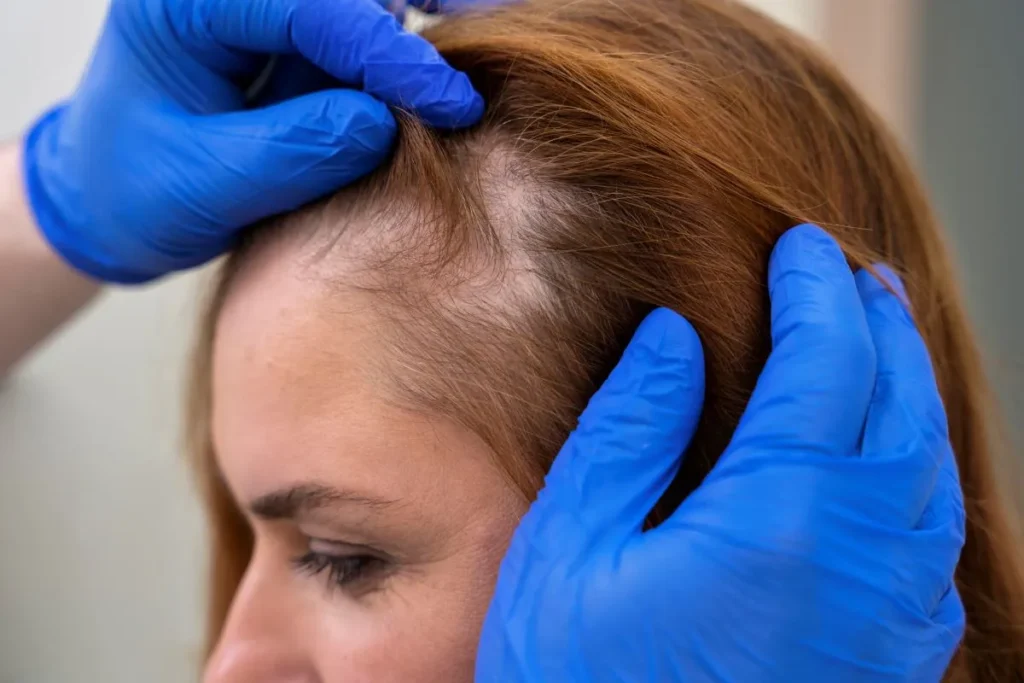
Many wonder, can alopecia be cured, and the answer depends on the type of hair loss, its underlying causes, and the treatments available today. Understanding the condition is the first step toward realistic expectations and effective solutions. According to recent studies, up to 30% of people experiencing hair thinning will seek professional help within the first year of noticing loss.
This article breaks down the most common forms of alopecia, reviews medical and surgical interventions, and highlights lifestyle choices that support hair health. Whether you are dealing with alopecia areata, pattern baldness, or diffuse thinning, knowing the options empowers you to make informed decisions.
We will also discuss why a personalized approach—combining modern hair restoration techniques with proper care—offers the best chance for lasting improvement.
Understanding Alopecia: Types and Causes
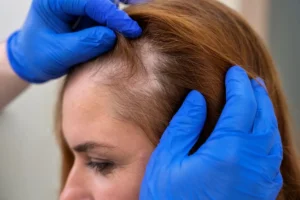
Alopecia is an umbrella term for hair loss conditions that affect the scalp and body. The most prevalent forms include:
- Alopecia areata – an autoimmune disorder causing sudden, patchy hair loss.
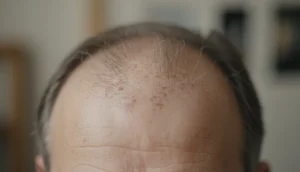
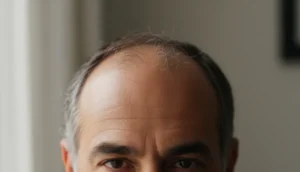
- Androgenetic alopecia (pattern baldness) – hereditary thinning that progresses with age.
- Telogen effluvium – temporary shedding due to stress, illness, or hormonal changes.
- Traction alopecia – loss caused by chronic pulling from tight hairstyles.
Underlying factors such as genetics, hormonal imbalances, nutritional deficiencies, and chronic inflammation play a role in triggering these conditions. While some types, like telogen effluvium, often resolve on their own, others require targeted therapy.
| Type of Alopecia | Typical Onset | Primary Cause | Potential for Regrowth |
|---|---|---|---|
| Alopecia Areata | Any age | Autoimmune attack on hair follicles | Variable – often responsive to medication |
| Androgenetic Alopecia | Teens to 40s | Genetic & hormonal | Limited without surgical aid |
| Telogen Effluvium | After stressor | Physiological stress | High – usually regrows |
| Traction Alopecia | Months of tension | Mechanical pulling | Good if caught early |
Medical Treatments and Their Effectiveness
When evaluating whether can alopecia be cured, medical therapies are often the first line of defense. The goal is to halt progression and stimulate regrowth where possible.
Topical and Oral Medications
Minoxidil (Rogaine) is the most widely used over‑the‑counter solution for both men and women. It improves blood flow to follicles and can extend the growth phase. Finasteride, an oral prescription drug, blocks the conversion of testosterone to dihydrotestosterone (DHT), a key factor in pattern baldness.
Corticosteroid Injections
For alopecia areata, localized corticosteroid injections can suppress the autoimmune response, leading to noticeable regrowth in many patients. Systemic steroids are reserved for extensive cases due to side‑effect risks.
Emerging Therapies
Platelet‑rich plasma (PRP) therapy uses the patient’s own blood components to deliver growth factors directly to the scalp. Low‑level laser therapy (LLLT) and JAK inhibitors are also gaining attention for their potential to modulate immune activity and promote follicular health.
- Minoxidil – 2% or 5% solution, applied twice daily.
- Finasteride – 1 mg tablet, taken orally once a day.
- PRP – 3‑4 sessions spaced one month apart.
- JAK inhibitors – prescribed in specialist settings.
While these treatments can significantly improve hair density, they rarely constitute a permanent cure. Continuous use is often necessary to maintain results, especially for chronic conditions.
Hair Transplant Solutions: FUE, DHI, and Beyond
For many who ask can alopecia be cured, surgical restoration offers the most durable answer. Modern hair transplant techniques relocate healthy follicles from a donor area—typically the back of the head—to balding zones, achieving natural‑looking density.
Follicular Unit Extraction (FUE)
FUE involves harvesting individual follicular units using a micro‑punch tool. The method leaves minimal scarring and allows patients to resume normal activities quickly. Results become visible after 6‑12 months as transplanted hairs enter the growth cycle.
Direct Hair Implantation (DHI)
DHI builds on FUE by using a patented implanter pen that places grafts directly into the recipient site without prior incisions. This can improve graft survival rates and reduce handling time.
Choosing the Right Technique
Factors influencing the choice include the extent of hair loss, donor hair availability, and patient preferences. A thorough consultation helps determine whether a single session or a staged approach will achieve the desired coverage.
- FUE – ideal for moderate to extensive loss, low downtime.
- DHI – preferred for precision work and higher graft density.
- Robotic‑assisted FUE – offers enhanced accuracy for large areas.
While transplantation does not “cure” the underlying condition, it effectively restores hair where follicles remain viable, providing a lasting aesthetic solution.
Lifestyle, Nutrition, and Natural Approaches
Even if the primary question remains—can alopecia be cured—supporting hair health through lifestyle choices can enhance the effectiveness of medical or surgical treatments.
Nutrition Essentials
Hair follicles thrive on a balanced supply of protein, iron, zinc, and vitamins A, D, and B‑complex. Deficiencies in these nutrients are linked to increased shedding and slower regrowth.
Stress Management
Chronic stress elevates cortisol levels, which can trigger telogen effluvium and exacerbate autoimmune responses. Practices such as mindfulness, regular exercise, and adequate sleep help maintain hormonal balance.
Gentle Hair Care
Avoiding harsh chemicals, excessive heat, and tight hairstyles reduces mechanical damage and prevents traction alopecia. Using a mild shampoo and limiting the use of tight ponytails or braids can preserve existing hair.
- Eat lean proteins, leafy greens, nuts, and fish rich in omega‑3.
- Supplement with biotin or a multivitamin if dietary intake is insufficient.
- Practice yoga or meditation to lower stress hormones.
- Choose sulfate‑free shampoos and avoid daily heat styling.
These natural measures are not a standalone cure, but they create an optimal environment for any therapeutic regimen to work more effectively.
Managing Expectations: What Patients Should Know
Understanding realistic outcomes is crucial when asking can alopecia be cured. While some forms, like telogen effluvium, often resolve spontaneously, chronic conditions usually require ongoing management.
Timeframe for Results
Medical treatments may show initial improvement within 3‑6 months, but full benefits often appear after a year of consistent use. Hair transplants typically reveal visible growth between 6 and 12 months post‑procedure.
Potential Limitations
Factors such as age, extent of follicle loss, and overall health influence success rates. In advanced baldness where donor hair is scarce, achieving complete coverage may not be possible without adjunctive therapies.
Commitment to Follow‑Up
Regular follow‑up appointments allow clinicians to adjust medication dosages, assess graft health, and address any side effects promptly. Long‑term maintenance, including low‑dose minoxidil or periodic PRP sessions, can sustain results.
By setting clear goals and adhering to a personalized plan, patients can achieve significant improvement in hair density and confidence, even if a definitive “cure” remains elusive for certain types of alopecia.
Why Choose Gold City Hair
Gold City Hair combines cutting‑edge FUE and DHI techniques with a patient‑focused approach that prioritizes safety, transparency, and natural results. Since 2017, our experienced team has helped countless individuals restore their hair and confidence through customized treatment plans. We offer comprehensive consultations, state‑of‑the‑art facilities in Turkey, and ongoing support throughout the healing process.
Ready to take the next step toward a fuller head of hair? Contact Gold City Hair today for a personalized assessment and discover how our expert team can help you achieve lasting results.
FAQ
Can alopecia be cured?
Alopecia cannot be universally cured; treatment success depends on the type and underlying cause.
What are the most effective medical treatments for alopecia?
Topical minoxidil, oral finasteride, corticosteroid injections, PRP, and emerging JAK inhibitors are among the most effective options.
How does a hair transplant work for treating alopecia?
A hair transplant relocates healthy follicles from a donor area to balding zones, providing permanent visual coverage.
What lifestyle changes can support hair regrowth?
Balanced nutrition, stress reduction, gentle hair care, and adequate sleep can enhance treatment outcomes.
What is the expected timeline for results from alopecia treatments?
Medical therapies show early signs in 3‑6 months, full benefits by 12 months; transplants reveal growth between 6‑12 months post‑procedure.
Are there natural remedies that can cure alopecia?
Natural remedies alone cannot cure alopecia but can support overall hair health when combined with medical treatment.