Experiencing hair fall and an itchy scalp can be both uncomfortable and alarming, especially when the two issues appear together. Understanding the underlying reasons is the first step toward effective relief and long‑term hair health. In this article we explore the most common causes, how scalp condition influences hair growth, practical home‑care tips, when professional help is needed, and the treatment options available at Gold City Hair.
According to recent dermatology surveys, up to 40 % of adults report occasional scalp itching, and nearly one‑third notice increased shedding during the same period. This overlap suggests a shared pathway that can be addressed with targeted strategies.
We will break down the science behind these symptoms, provide actionable advice you can start using today, and explain how advanced hair restoration techniques can restore confidence for those dealing with persistent problems.
Common Causes of Hair Fall and Itchy Scalp
Hormonal and Genetic Factors
Androgenetic alopecia, commonly known as male or female pattern baldness, is driven by genetics and hormone levels. While it primarily causes thinning, the associated inflammation can lead to scalp discomfort.
Skin Conditions
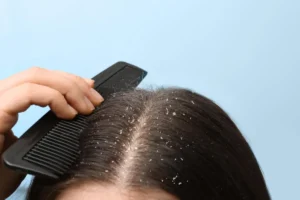
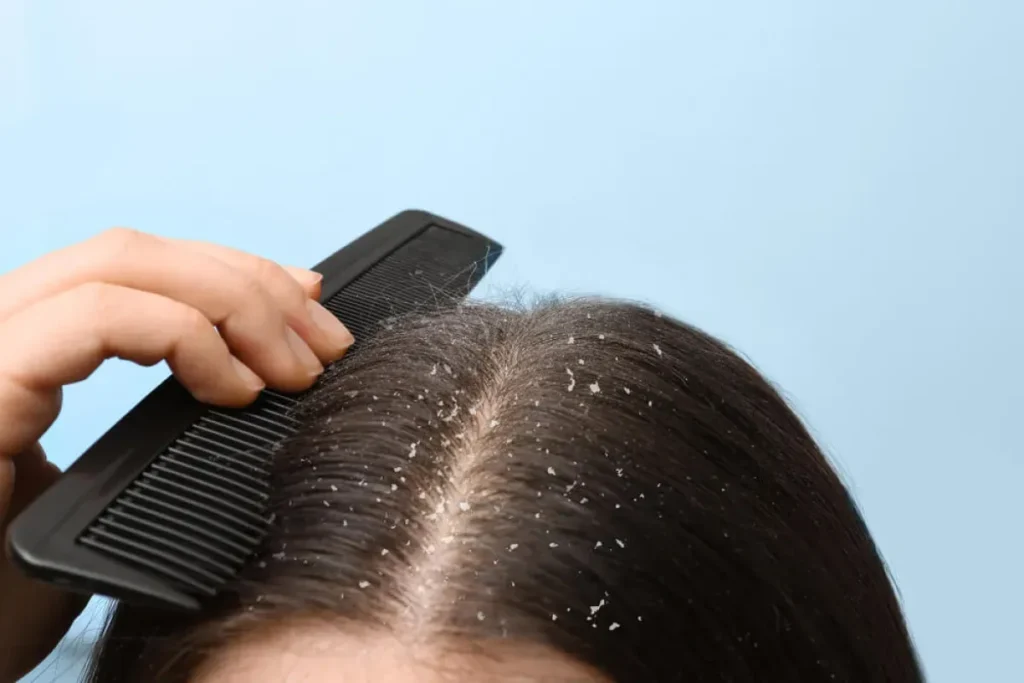
Seborrheic dermatitis is a chronic inflammatory condition that produces greasy, yellowish scales and intense itching. Dandruff is a milder form, but both can weaken hair follicles and accelerate loss.
Other Triggers
Folliculitis, scalp eczema, and allergic reactions to hair products can also create a cycle of irritation and shedding.
- Hormonal imbalances (thyroid, androgen levels)
- Stress and poor sleep patterns
- Nutrient deficiencies (iron, zinc, vitamin D)
- Harsh styling or chemical treatments
- Environmental factors (pollution, extreme weather)
How Scalp Health Impacts Hair Growth
A healthy scalp provides the optimal environment for follicles to produce strong, resilient hair. When the scalp barrier is compromised, inflammation can disrupt the hair cycle, shortening the anagen (growth) phase and prolonging the telogen (resting) phase.
| Condition | Key Symptoms | Effect on Hair |
|---|---|---|
| Seborrheic Dermatitis | Redness, greasy flakes, itching | Follicle irritation → increased shedding |
| Dandruff | Dry flakes, mild itching | Scalp dryness → weakened hair shaft |
| Folliculitis | Painful pustules, redness | Inflammation → temporary hair loss |
Maintaining a balanced microbiome and proper moisture levels helps preserve the protective lipid barrier, reducing both itch and hair loss.
Effective Home Care Practices
Daily habits play a crucial role in calming an itchy scalp and minimizing hair fall. Below are evidence‑based steps you can incorporate into your routine.
Choose the Right Shampoo
Look for products containing zinc pyrithione, ketoconazole, or salicylic acid. These ingredients target dandruff and seborrheic dermatitis while soothing irritation.
Scalp Massage and Oils
Gentle massage with jojoba or argan oil improves blood flow and distributes natural sebum, which protects the scalp barrier.
Lifestyle Adjustments
Stay hydrated, follow a diet rich in omega‑3 fatty acids, and manage stress through exercise or mindfulness. These measures support overall hair health.
- Wash hair 2–3 times per week with a medicated shampoo.
- Apply a lightweight oil after washing, leaving it for 15 minutes.
- Use a soft‑bristle brush to reduce mechanical irritation.
- Avoid heat styling above 180 °C.
- Incorporate biotin‑rich foods such as eggs, nuts, and legumes.
When to Seek Professional Help
Home care can alleviate mild symptoms, but persistent itching, rapid shedding, or visible bald patches warrant a professional evaluation. Dermatologists can diagnose conditions such as alopecia areata, advanced androgenetic alopecia, or secondary infections that require prescription therapy.
Red Flags
Schedule an appointment if you notice any of the following:
- Sudden hair loss exceeding 100 hairs per day
- Scalp pain, swelling, or pus formation
- Persistent redness that does not improve with over‑the‑counter products
- Hair thinning in a distinct pattern (e.g., receding hairline)
Early intervention can prevent further damage and expand the range of effective treatments, including topical steroids, oral antifungals, or laser therapy.
Medical Treatments for Persistent Hair Fall and Itchy Scalp
When conservative measures fall short, medical options can target the root causes more directly.
Topical and Oral Medications
Finasteride and minoxidil are FDA‑approved for androgenetic alopecia. Antifungal shampoos or oral itraconazole treat fungal overgrowth associated with seborrheic dermatitis.
Procedural Interventions
Platelet‑rich plasma (PRP) injections stimulate follicle activity, while low‑level laser therapy (LLLT) improves scalp circulation. For permanent restoration, Gold City Hair offers FUE and DHI techniques that relocate healthy follicles to thinning areas.
- PRP: 3‑month course, minimal downtime
- LLLT: Home‑use devices, 15 minutes daily
- FUE/DHI: Natural‑looking results, high graft survival
Each treatment plan is customized after a thorough scalp assessment to ensure the best possible outcome.
Why Choose Gold City Hair
Gold City Hair has been delivering personalized hair restoration solutions in Turkey since 2017. Our team combines advanced FUE and DHI techniques with transparent communication, ensuring every patient understands the process and expected results. We prioritize safety, natural aesthetics, and long‑term satisfaction, making us a trusted partner for those seeking to overcome hair fall and scalp discomfort.
Ready to regain a healthy scalp and fuller hair? Contact Gold City Hair today to schedule your personalized consultation and discover the most effective treatment plan for you.
FAQ
What are the most common causes of hair fall and an itchy scalp?
Common causes include hormonal imbalances, genetic predisposition, seborrheic dermatitis, dandruff, folliculitis, stress, nutrient deficiencies, and harsh hair treatments.
How does scalp health affect the hair growth cycle?
A healthy scalp maintains a balanced microbiome and barrier function, supporting a longer anagen phase and preventing premature entry into telogen.
What home‑care practices can reduce hair fall and soothe an itchy scalp?
Use medicated shampoos with zinc pyrithione or ketoconazole, massage the scalp with light oils, stay hydrated, eat omega‑3 rich foods, and avoid harsh styling.
When should someone with hair loss and scalp itching see a dermatologist?
If itching persists, shedding exceeds 100 hairs per day, or there are painful patches, redness, or distinct bald spots, professional evaluation is needed.
What medical treatments are available for persistent hair fall and itchy scalp?
Options include FDA‑approved minoxidil and finasteride, antifungal shampoos, oral itraconazole, PRP injections, low‑level laser therapy, and surgical FUE/DHI transplants.
Why choose Gold City Hair for hair restoration?
Gold City Hair offers experienced clinicians, advanced FUE/DHI techniques, personalized treatment plans, and a proven track record since 2017 in Turkey.