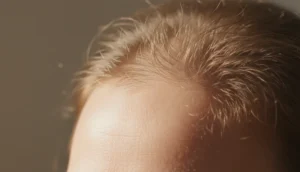
The reasons for alopecia are often more complex than a simple “bad hair day.” Understanding why hair loss occurs is the first step toward effective treatment and lasting confidence. Whether you notice a thin patch on the scalp, a receding hairline, or widespread shedding, the underlying causes can range from genetics to lifestyle choices. In this article we explore the most common factors that trigger alopecia, how they differ between men and women, and what you can do to address them.
Hair loss affects millions worldwide, with studies indicating that up to 50 % of men and 40 % of women will experience noticeable thinning by the age of 50. While some causes are inevitable, many are preventable or manageable with the right approach. Below, we break down the key contributors, supported by the latest medical insights and practical recommendations.
By the end of this guide, you will have a clear picture of the various reasons for alopecia, enabling you to make informed decisions about prevention, medical consultation, and potential restoration options such as those offered by Gold City Hair.
Genetic Factors: Inherited Hair Loss
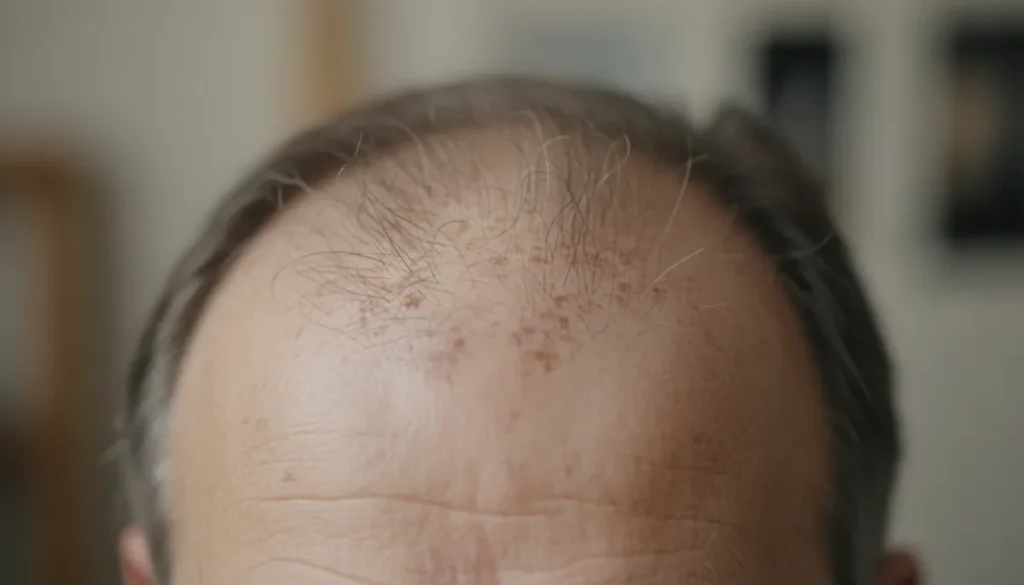
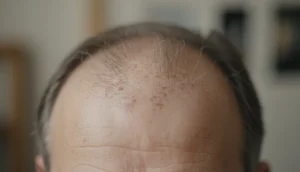
One of the most prevalent reasons for alopecia lies in our DNA. Hereditary hair loss, often referred to as androgenetic alopecia, follows a predictable pattern that can be traced through family history. Men typically experience a receding hairline and thinning at the crown, while women notice diffuse thinning across the top of the scalp.
Key genetic mechanisms include:
- Conversion of testosterone to dihydrotestosterone (DHT) by the enzyme 5‑α‑reductase.
- Miniaturization of hair follicles due to DHT sensitivity.
- Polymorphisms in the AR (androgen receptor) gene that increase follicular vulnerability.
Below is a quick comparison of how genetic alopecia presents in males versus females:
| Feature | Male Pattern Baldness | Female Pattern Baldness |
|---|---|---|
| Typical Pattern | Receding hairline, vertex thinning | Diffuse thinning over the crown |
| Onset Age | Late teens to early 30s | Late 20s to 40s |
| Progression Speed | Rapid in some cases | Usually slower and more gradual |
Because genetics are immutable, treatment strategies focus on slowing the process and stimulating dormant follicles. Options include medication (e.g., finasteride, minoxidil), low‑level laser therapy, and surgical restoration such as the FUE or DHI techniques performed at Gold City Hair.
Hormonal Influences and Medical Conditions
Hormones act as powerful regulators of the hair growth cycle. Imbalances can lead to sudden or progressive shedding, adding another layer to the reasons for alopecia. Common hormonal contributors include thyroid disorders, polycystic ovary syndrome (PCOS), and fluctuations during pregnancy or menopause.
Medical conditions that often intersect with hormonal hair loss are:
- Hypothyroidism – Low thyroid hormone levels slow metabolism, causing brittle hair and diffuse thinning.
- Hyperthyroidism – Excess thyroid hormones accelerate the hair cycle, leading to rapid shedding.
- PCOS – Elevated androgen levels in women can mimic male‑pattern baldness.
- Pregnancy & Post‑partum – Hormonal shifts trigger telogen effluvium, a temporary form of hair loss.
Addressing these underlying conditions often restores normal hair growth without the need for surgical intervention. A comprehensive medical evaluation, blood tests for hormone levels, and appropriate treatment (e.g., levothyroxine for hypothyroidism) are essential first steps.
Autoimmune and Inflammatory Causes
When the immune system mistakenly attacks hair follicles, the result can be sudden, patchy loss known as alopecia areata. This autoimmune form of alopecia accounts for a significant portion of the overall reasons for alopecia, especially among younger adults.
Key characteristics of autoimmune hair loss include:
- Round or oval bald patches that appear overnight.
- Possibility of nail changes (pitting, ridges).
- Potential progression to alopecia totalis (complete scalp loss) or alopecia universalis (total body loss).
Research suggests a genetic predisposition combined with environmental triggers (stress, infection) initiates the autoimmune response. Treatment options focus on modulating the immune system, such as:
| Therapy | Mechanism | Typical Use |
|---|---|---|
| Topical corticosteroids | Reduce local inflammation | Early‑stage patches |
| Intralesional steroid injections | Targeted immune suppression | Persistent lesions |
| JAK inhibitors (e.g., tofacitinib) | Block cytokine signaling | Moderate to severe cases |
While many patients experience regrowth, some may require long‑term management. Consulting a dermatologist familiar with autoimmune alopecia is crucial for personalized care.
Physical and Lifestyle Triggers
Beyond genetics and medical issues, everyday habits can accelerate hair loss. These are often overlooked but represent important reasons for alopecia that are easily modifiable.
Common physical and lifestyle contributors include:
- Traction alopecia – Chronic pulling from tight braids, ponytails, or extensions damages follicles.
- Excessive heat styling – Frequent use of flat irons or blow‑dryers weakens hair shafts.
- Nutritional deficiencies – Lack of iron, zinc, vitamin D, or protein hampers follicular health.
- Stress – High cortisol levels can trigger telogen effluvium, a diffuse shedding phase.
- Medication side effects – Certain drugs (e.g., anticoagulants, retinoids) list hair loss as a possible adverse effect.
Addressing these factors often yields noticeable improvement. Practical steps include:
- Adopting loose hairstyles and limiting the use of tight accessories.
- Using heat protectants and reducing styling temperature.
- Ensuring a balanced diet rich in leafy greens, lean proteins, and omega‑3 fatty acids.
- Practicing stress‑reduction techniques such as meditation or regular exercise.
- Reviewing medication regimens with a healthcare professional.
When lifestyle adjustments are insufficient, medical therapies or hair restoration procedures can provide additional support.
Environmental and External Factors
External conditions also play a subtle yet measurable role in the overall reasons for alopecia. Chronic exposure to pollutants, ultraviolet (UV) radiation, and harsh chemicals can weaken the scalp’s protective barrier and impair follicle function.
Key environmental contributors are:
- Air pollution – Particulate matter and heavy metals generate oxidative stress on scalp skin.
- UV radiation – Sun exposure damages keratin proteins and depletes essential lipids.
- Chemical irritants – Frequent use of harsh shampoos, dyes, or chlorine in swimming pools can cause scalp inflammation.
- Seasonal changes – Low humidity in winter often leads to dryer scalp and increased breakage.
Protective measures include using antioxidant‑rich hair care products, wearing hats or scarves during prolonged sun exposure, and rinsing hair thoroughly after swimming. While these steps may not reverse genetic hair loss, they help preserve existing hair and create a healthier environment for any restorative treatments.
Why Choose Gold City Hair
Gold City Hair combines cutting‑edge technology with a personalized approach to address each of the reasons for alopecia you may be facing. Since 2017, our clinic in Turkey has delivered successful FUE, DHI, and eyebrow/beard transplants, guided by transparent communication and a commitment to natural‑looking results. Our experienced surgeons tailor each plan to your unique hair pattern, medical background, and aesthetic goals, ensuring the highest standard of care.
Ready to take control of your hair loss journey? Contact Gold City Hair today for a free, no‑obligation consultation and discover the best solution for your specific needs.
Regain confidence, restore fullness, and step forward with a look that feels truly yours.
FAQ
What are the most common genetic causes of alopecia?
Genetic alopecia is mainly driven by androgen‑sensitive follicles, DHT conversion, and AR gene polymorphisms.
How do hormonal imbalances contribute to hair loss?
Thyroid disorders, PCOS, pregnancy, and menopause can disrupt the hair growth cycle, causing shedding or thinning.
What is alopecia areata and how is it treated?
Alopecia areata is an autoimmune condition causing sudden patchy hair loss, treated with steroids or JAK inhibitors.
Which everyday habits can accelerate hair loss?
Tight hairstyles, excessive heat, poor nutrition, chronic stress, and certain medications can worsen hair loss.
How do environmental factors affect hair health?
Pollution, UV radiation, harsh chemicals, and seasonal dryness can damage scalp skin and weaken follicles.
Why should I consider Gold City Hair for hair restoration?
Gold City Hair offers advanced FUE, DHI, and eyebrow/beard transplants performed by experienced surgeons in Turkey.