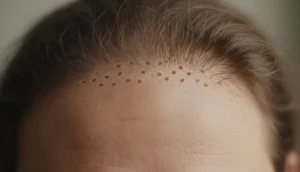
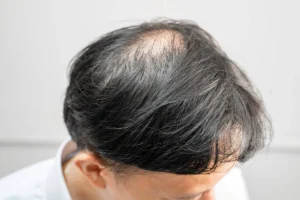
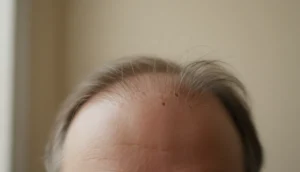
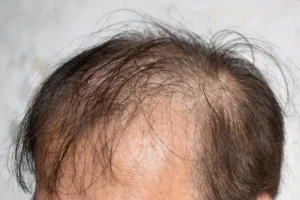
If you’re wondering how to know if your balding, you’re not alone. Millions of men and women notice subtle changes in their hair before the loss becomes obvious, and early detection can make a big difference in treatment success. In this article we’ll walk you through the most common signs, explain the different types of hair loss, and give you practical steps to assess your own situation.
According to recent dermatology studies, up to 40% of adults experience noticeable thinning by age 35. Recognizing the pattern early allows you to explore options such as medication, lifestyle adjustments, or advanced transplant techniques before the hair follicles become permanently dormant.
We’ll cover everything from the visual clues on your scalp to the role of genetics, stress, and nutrition. By the end, you’ll have a clear roadmap for deciding whether professional help is needed and what to expect from a reputable clinic like Gold City Hair.
Common Early Warning Signs of Hair Loss
Spotting the first hints of balding often requires a keen eye. Here are the most frequent indicators that suggest it’s time to act:
- Gradual thinning on the crown or frontal scalp.
- Increased visibility of the scalp when hair is pulled back.
- More hair than usual on your pillow or in the shower drain.
- Noticeable widening of the part line.
- Small, round patches that may indicate alopecia areata.
These signs can appear slowly over months or become apparent after a stressful event. While occasional shedding is normal, consistent patterns often point to underlying conditions such as androgenetic alopecia or telogen effluvium.
| Sign | Typical Location | Possible Cause |
|---|---|---|
| Thinning crown | Top of the head | Male pattern baldness, hormonal changes |
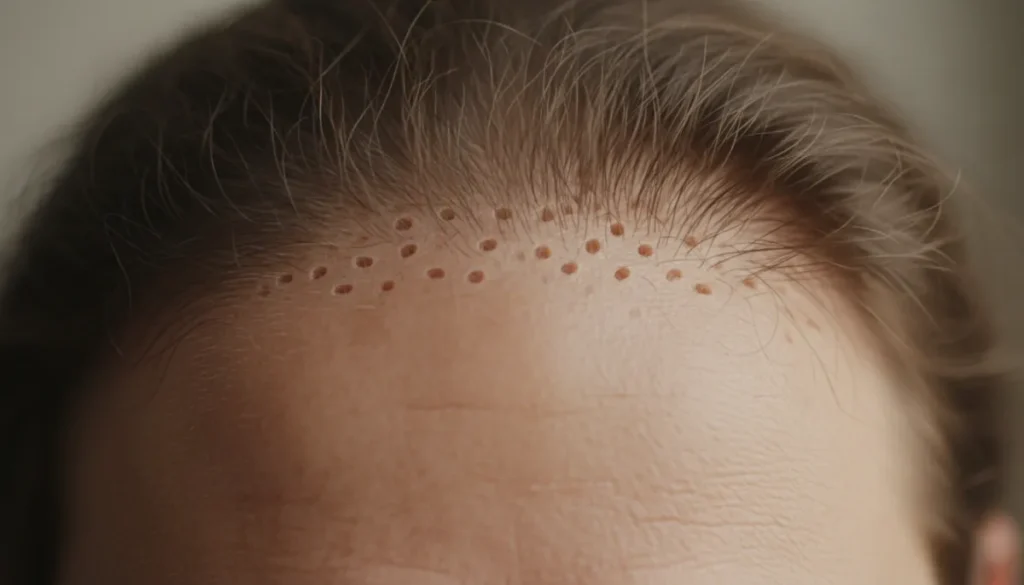
| Receding hairline | Forehead | Androgenic alopecia, genetics |
| Patchy loss | Anywhere | Alopecia areata, fungal infection |
Understanding Different Types of Baldness
Not all hair loss follows the same pattern. Recognizing the type of balding you may be experiencing helps you choose the most effective treatment. Below are the major categories you’ll encounter when you ask yourself how to know if your balding is due to a specific cause.
Androgenetic Alopecia (Male or Female Pattern Baldness)
This is the most common form, driven by genetics and the hormone dihydrotestosterone (DHT). Men typically see a receding hairline and thinning at the crown, while women notice diffuse thinning across the top.
Alopecia Areata
An autoimmune condition that creates round, smooth patches of hair loss. It can affect any age and often appears suddenly.
Traction Alopecia
Resulting from chronic pulling or tight hairstyles, this type is common among individuals who wear braids, ponytails, or extensions for long periods.
Scarring (Cicatricial) Alopecia
Inflammatory conditions that destroy hair follicles and replace them with scar tissue, leading to permanent loss if untreated.
Below is a quick comparison to help you identify which pattern aligns with your observations:
| Type | Typical Pattern | Age of Onset | Reversibility |
|---|---|---|---|
| Androgenetic | Receding hairline, crown thinning | Late teens to 30s | Partial (medication, transplant) |
| Alopecia Areata | Round patches | Any age | Often regrows spontaneously |
| Traction | Fringe or temples | Teen to 40s | Reversible if stress removed |
| Scarring | Irregular, scarred areas | Varies | Usually permanent |
Self‑Assessment Tools and When to Seek Professional Help
Before booking a consultation, you can perform a simple self‑assessment to gauge the severity of your hair loss. Here’s a step‑by‑step guide:
- Stand in front of a mirror with good lighting and part your hair in the middle.
- Use a handheld mirror to view the back of your scalp.
- Count the number of visible scalp patches larger than 1 cm².
- Take a photo and compare it with baseline images taken every three months.
- Note any accompanying symptoms such as itching, redness, or pain.
If you notice more than 10 % scalp exposure, rapid progression, or any inflammatory signs, it’s advisable to consult a dermatologist or a hair restoration specialist. Professional evaluation often includes a trichoscopic examination, blood tests for hormonal levels, and a detailed medical history to rule out underlying conditions.
Remember, the earlier you act, the more options you’ll have. Clinics like Gold City Hair use advanced diagnostics to create personalized treatment plans, whether you need medication, PRP therapy, or a transplant.
Preventive Measures and Lifestyle Adjustments
While genetics play a major role, several lifestyle factors can slow down the progression of balding. Incorporating these habits may help you maintain thicker hair for longer.
- Nutrition: Ensure adequate intake of iron, zinc, biotin, and omega‑3 fatty acids.
- Stress Management: Practice mindfulness, yoga, or regular exercise to lower cortisol levels.
- Gentle Hair Care: Avoid excessive heat, harsh chemicals, and tight hairstyles.
- Scalp Health: Use mild shampoos and consider periodic scalp massages to improve blood flow.
- Medical Review: Discuss any medications (e.g., anticoagulants, retinoids) with your physician, as they can affect hair growth.
For men specifically concerned about male pattern baldness, early use of FDA‑approved treatments like minoxidil or finasteride can preserve existing follicles. Women experiencing hair thinning may benefit from low‑dose oral contraceptives or anti‑androgen therapy, depending on hormonal balance.
Tracking your progress with a simple journal—recording diet, stress levels, and hair shedding—provides valuable data for your clinician and helps you stay motivated.
Choosing the Right Hair Transplant Technique
When self‑assessment and preventive steps indicate that hair loss is progressing, a transplant may be the most effective solution. The two most popular methods are Follicular Unit Extraction (FUE) and Direct Hair Implantation (DHI). Understanding their differences helps you decide which aligns with your goals.
Follicular Unit Extraction (FUE)
FUE involves removing individual follicular units from the donor area (usually the back of the head) and implanting them into the balding zone. It leaves tiny, dot‑like scars that are virtually invisible.
Direct Hair Implantation (DHI)
DHI uses a specialized pen that implants follicles directly without creating pre‑made channels. This can reduce handling time and improve graft survival, especially for dense graft placement.
Both techniques offer natural‑looking results, but DHI may provide slightly higher precision for patients with limited donor hair. Your surgeon will assess factors such as scalp laxity, donor density, and desired density to recommend the optimal approach.
| Technique | Key Advantages | Typical Recovery | Best For |
|---|---|---|---|
| FUE | Minimal scarring, versatile | 7‑10 days | Medium to large balding areas |
| DHI | Higher graft survival, precise density | 5‑9 days | Small to moderate areas, high aesthetic demand |
Choosing the right technique is a collaborative decision. A thorough consultation, including a visual simulation of post‑procedure results, ensures you have realistic expectations.
Why Choose Gold City Hair
Gold City Hair has been delivering personalized hair restoration solutions in Turkey since 2017. Our team combines expertise in FUE, DHI, and eyebrow/beard transplants with a transparent, patient‑focused approach. We tailor each plan to your unique pattern of hair loss, ensuring natural‑looking results and lasting confidence.
With state‑of‑the‑art facilities, a multilingual staff, and a commitment to safety, Gold City Hair offers a reliable pathway from diagnosis to a full, healthy hairline.
Ready to find out if you’re balding and explore your restoration options? Contact Gold City Hair today for a complimentary virtual consultation and take the first step toward a fuller, more confident you.
FAQ
How can I tell if I am balding?
Look for early signs such as thinning on the crown, a widening part, and increased scalp visibility.
What are the main types of baldness?
The major types are androgenetic alopecia, alopecia areata, traction alopecia, and scarring (cicatricial) alopecia.
How do I perform a self‑assessment for hair loss?
Use a mirror to part your hair, examine the scalp from multiple angles, count visible patches, and note any symptoms.
Can lifestyle changes slow down balding?
Yes, proper nutrition, stress management, gentle hair care, and scalp health can help preserve hair.
What is the difference between FUE and DHI hair transplant techniques?
FUE extracts individual follicles and leaves tiny scars; DHI implants follicles directly with a specialized pen for higher graft survival.
When should I consult a professional for hair loss?
Seek professional help if you notice rapid thinning, more than 10 % scalp exposure, or any inflammatory symptoms.