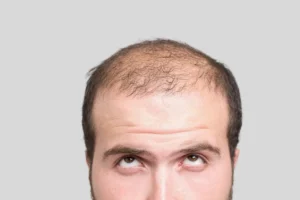
The question “where does the bald gene come from” is one that many men and women ask when they notice thinning hair or a receding hairline. In this article we explore the scientific roots of the gene responsible for hair loss, how it is passed down through families, and what modern treatments can do to counteract its effects. According to research, over 80 % of men experience some form of androgenetic alopecia by the age of 50, highlighting the importance of understanding genetic risk early.
We will break down the genetics behind male pattern baldness, examine inheritance patterns, discuss the role of hormones and environment, and outline practical steps you can take—from lifestyle adjustments to advanced hair transplant techniques. By the end of this guide, you’ll have a clear picture of why the baldness gene exists and how you can address its impact on your confidence.
Whether you are seeking preventive measures or considering a permanent solution such as a FUE or DHI hair transplant, knowing the origin of the gene gives you a strategic advantage in planning effective treatment.
The Genetics Behind Baldness
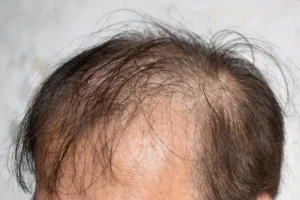
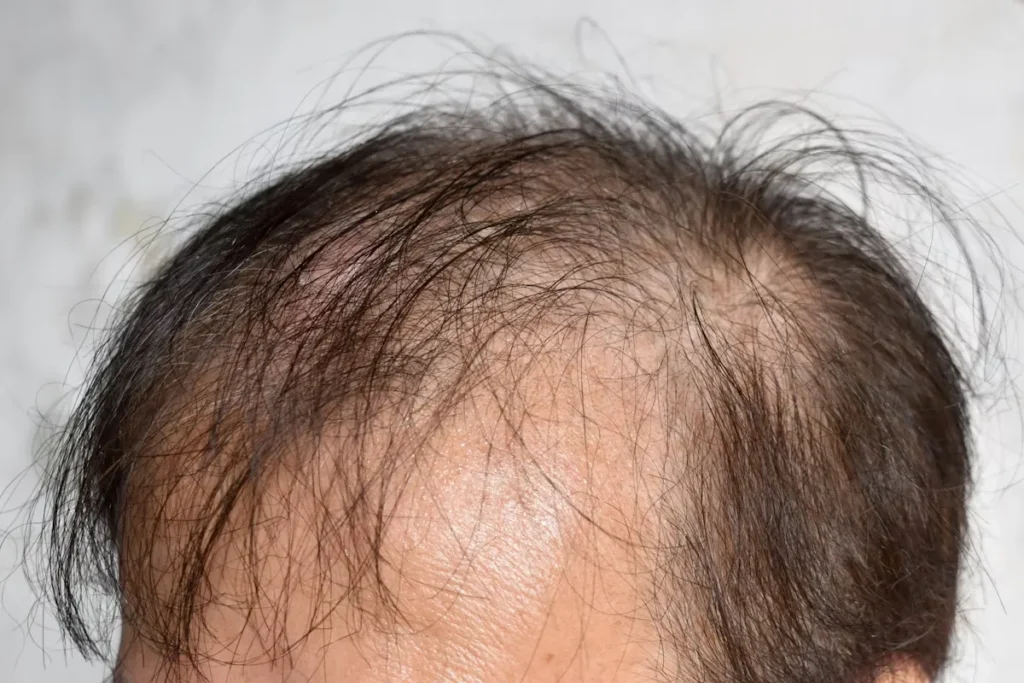
Hair loss is primarily driven by a gene located on the X chromosome that influences the activity of androgen receptors in hair follicles. This gene, often referred to as the “baldness gene,” interacts with the hormone dihydrotestosterone (DHT) to shorten the growth phase of hair, leading to finer, shorter strands that eventually stop growing.
Key genetic factors include:
- AR gene – encodes the androgen receptor, making follicles more sensitive to DHT.
- Variants of the HDAC9 gene – linked to hair follicle miniaturization.
- Polygenic influences – dozens of additional loci contribute modestly to risk.
Studies using genome‑wide association analyses have identified more than 200 genetic markers associated with androgenetic alopecia. While the AR gene remains the most influential, the cumulative effect of multiple small‑effect genes determines the severity and pattern of hair loss.
Understanding these genetic mechanisms helps clinicians predict which patients are likely to benefit most from early intervention, such as topical minoxidil, oral finasteride, or surgical options.
How the Baldness Gene Is Inherited
When people ask “where does the bald gene come from,” they are often curious about the inheritance pattern. The classic view is that the gene follows an X‑linked inheritance, meaning men receive their single X chromosome from their mother. If a mother carries a high‑risk variant, her sons have a 50 % chance of inheriting it.
However, recent research shows a more complex picture:
| Inheritance Pattern | Likelihood for Sons | Likelihood for Daughters |
|---|---|---|
| X‑linked (mother’s side) | ≈ 50 % | ≈ 25 % (carrier) |
| Autosomal‑dominant | ≈ 50 % | ≈ 50 % |
| Polygenic (multiple genes) | Varies widely | Varies widely |
Because the condition is polygenic, a family history of early hair loss on either side can increase risk, even if the classic X‑linked pathway is not present. Genetic testing services now offer DNA panels that identify risk alleles, allowing individuals to gauge their susceptibility before noticeable thinning occurs.
Knowing the inheritance pattern also informs counseling for couples planning families, helping them understand potential outcomes for their children.
Environmental Interplay with Genetic Factors
Even if the answer to “where does the bald gene come from” points to genetics, lifestyle and environmental factors can amplify or mitigate its expression. Hormonal fluctuations, stress, nutrition, and exposure to pollutants all interact with the genetic predisposition.
Key environmental modifiers include:
- Hormonal balance – Elevated DHT levels, often due to stress or certain medications, accelerate follicle miniaturization.
- Nutrition – Deficiencies in iron, zinc, and biotin can weaken hair shafts, making genetic loss more apparent.
- Smoking – Studies link cigarette smoke to increased oxidative stress in scalp tissue, worsening androgenetic alopecia.
- UV exposure – Chronic sun damage can impair scalp health, reducing the ability of follicles to recover.
Adopting a hair‑friendly lifestyle—balanced diet, regular exercise, stress‑management techniques, and protecting the scalp from harsh UV—can slow the progression of the baldness gene’s effects. While these measures won’t erase the genetic code, they can create a more favorable environment for existing hair.
Diagnosing Genetic Risk for Hair Loss
Modern clinics, including Gold City Hair, use a combination of clinical assessment and genetic testing to answer the question “where does the bald gene come from” in a personalized way. A typical diagnostic pathway involves:
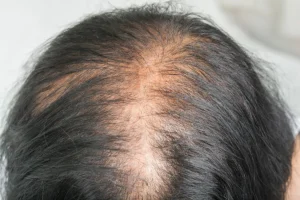
- Scalp examination – Visual assessment of hair density, pattern, and miniaturization.
- Trichoscopy – Dermatoscopic imaging to evaluate follicle health.
- Blood hormone panel – Measuring testosterone, DHT, and thyroid hormones.
- DNA analysis – Identifying risk alleles in AR, HDAC9, and other loci.
Results from a DNA panel can be presented as a risk score, indicating the probability of developing significant hair loss within the next decade. This information empowers patients to choose proactive treatments, such as early use of finasteride or planning a hair transplant before extensive follicular loss occurs.
While genetic testing is optional, it provides valuable insight for those with a strong family history of baldness, helping them set realistic expectations for outcomes.
Managing Genetic Baldness: Treatment Options
Understanding “where does the bald gene come from” is only the first step; effective management requires a blend of medical, cosmetic, and surgical strategies.
Medical therapies aim to block DHT or stimulate follicle growth:
- Finasteride – oral 5‑α‑reductase inhibitor reducing DHT production.
- Minoxidil – topical vasodilator that prolongs the anagen phase.
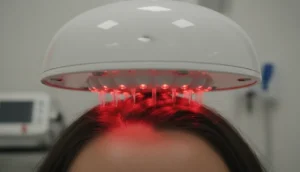
- Low‑level laser therapy – non‑invasive light treatment encouraging cellular activity.
Surgical solutions provide permanent restoration by relocating healthy follicles from a donor area to balding zones. Gold City Hair specializes in:
- Follicular Unit Extraction (FUE) – Individual follicles are harvested and implanted with minimal scarring.
- Direct Hair Implantation (DHI) – Uses a patented implanter pen for precise placement.
- Eyebrow and Beard Transplants – Tailored for patients seeking facial hair restoration.
Choosing the right approach depends on the stage of hair loss, genetic risk, and personal goals. A comprehensive consultation can map the extent of follicular loss and recommend a customized plan that may combine medication with a hair transplant for optimal density and natural appearance.
Why Choose Gold City Hair
Gold City Hair has been delivering personalized hair restoration in Turkey since 2017. Our clinic combines advanced FUE and DHI techniques with a transparent, patient‑first approach. Each treatment plan is tailored to the individual’s genetic profile, ensuring realistic expectations and lasting results. With a focus on safety, comfort, and natural aesthetics, Gold City Hair helps you regain confidence and a fuller head of hair.
Ready to take control of your hair future? Contact Gold City Hair today for a personalized consultation and discover the most effective solution for your genetic hair loss.
Start your journey toward lasting confidence—schedule your appointment now.
FAQ
What is the baldness gene and where does it come from?
The baldness gene is a genetic variant, primarily on the X chromosome, that makes hair follicles more sensitive to DHT, leading to hair loss.
How is the baldness gene inherited?
It follows an X‑linked pattern, but can also involve autosomal‑dominant and polygenic inheritance.
Can lifestyle and environmental factors affect the expression of the baldness gene?
Yes, factors like stress, nutrition, smoking, and UV exposure can amplify or mitigate hair loss.
What genetic tests are available to assess hair loss risk?
DNA panels that analyze AR, HDAC9 and other risk alleles are commonly used.
What medical treatments are effective for genetic hair loss?
Finasteride, minoxidil, and low‑level laser therapy are the main FDA‑approved options.
How do FUE and DHI hair transplants work for treating baldness?
Both relocate healthy follicles, but FUE extracts them individually while DHI uses a pen for direct implantation.