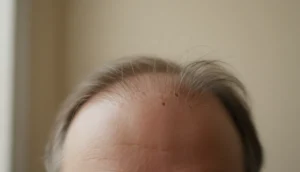
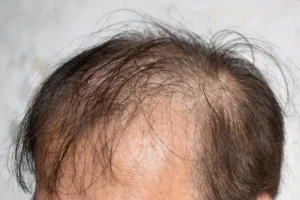
dut hair loss is a term increasingly searched by individuals noticing thinning hair while using certain medications or experiencing hormonal changes. This article explains the underlying mechanisms, highlights common drugs linked to the condition, and outlines both medical and surgical solutions. According to recent dermatology surveys, up to 12% of men on specific hair‑loss medications report noticeable thinning within the first year.
We will explore how dutasteride and related compounds can influence hair cycles, compare them with other treatments such as finasteride, and discuss lifestyle adjustments that may mitigate shedding. Whether you are considering a prescription change or evaluating a hair transplant, understanding the science behind dut hair loss empowers you to make informed decisions.
Read on to discover practical steps, treatment options, and why a personalized approach—like the one offered at Gold City Hair—can restore confidence and natural-looking results.
What Is Dut Hair Loss and How Does It Occur?
dut hair loss typically refers to hair thinning associated with the use of dutasteride, a medication originally designed to treat benign prostatic hyperplasia. The drug works by inhibiting both type I and type II 5‑alpha‑reductase enzymes, which convert testosterone to dihydrotestosterone (DHT). While reducing DHT can shrink an enlarged prostate, it also lowers the hormone that stimulates hair follicles, potentially leading to shedding.
Key factors influencing the onset of dut hair loss include dosage, treatment duration, individual hormone sensitivity, and genetic predisposition. Men who start with a 0.5 mg daily dose may notice subtle thinning after three to six months, whereas higher doses can accelerate the process.
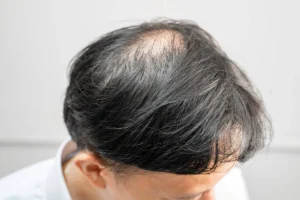
- Gradual thinning on the crown and frontal scalp
- Increased shedding during the first two months of therapy
- Potential for reversible hair loss after discontinuation
Understanding these patterns helps patients differentiate between normal shedding and a concerning side effect. If hair loss persists beyond the initial adjustment period, consulting a dermatologist or a hair restoration specialist is advisable.
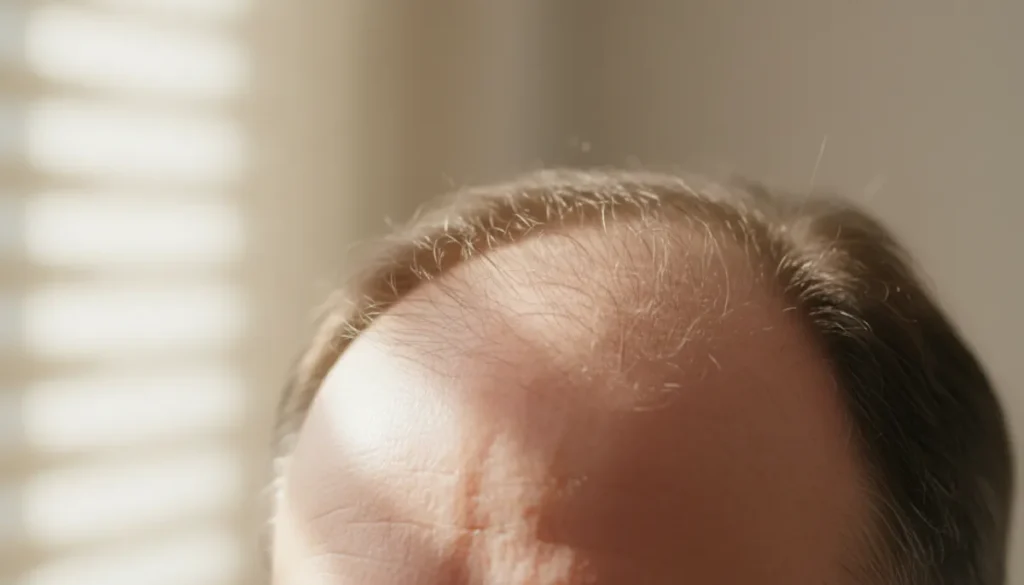
Common Medications Linked to Dut Hair Loss
While dutasteride is the most recognized culprit, several other drugs share similar pathways that may contribute to hair thinning. Below is a comparison of the most frequently prescribed medications and their impact on hair follicles.
| Medication | Primary Use | Mechanism Affecting Hair | Typical Side Effects |
|---|---|---|---|
| dutasteride (Avodart) | Benign prostatic hyperplasia | Inhibits both type I & II 5‑alpha‑reductase → lower DHT | Hair shedding, decreased libido, erectile dysfunction |
| Finasteride (Propecia) | Male pattern baldness | Selectively blocks type II 5‑alpha‑reductase | Reduced scalp DHT, occasional shedding, sexual side effects |
| Spironolactone | Hormonal acne, hypertension | Anti‑androgenic effect reduces DHT | Hair thinning (rare), menstrual irregularities |
| Isotretinoin | Severe acne | Alters sebaceous gland activity, may affect follicle cycle | Dry skin, temporary hair shedding |
Patients often wonder whether dutasteride vs finasteride is safer for hair. While both reduce DHT, dutasteride’s broader inhibition can lead to a higher incidence of hair shedding, especially at the 0.5 mg dosage commonly prescribed for prostate health. However, some clinicians prescribe low‑dose topical dutasteride to target scalp DHT directly, aiming to minimize systemic side effects.
When evaluating medication options, it is crucial to discuss potential hair loss with your prescribing physician. Adjusting dosage, switching to an alternative, or adding a topical treatment may mitigate unwanted thinning.
Medical Treatments and Lifestyle Changes to Manage Dut Hair Loss
If you are experiencing dut hair loss, several non‑surgical strategies can help stabilize the condition and promote regrowth. Below are evidence‑based approaches commonly recommended by dermatologists.
Topical Therapies
Topical solutions such as minoxidil (5% foam) increase blood flow to the scalp and prolong the anagen phase of hair growth. When combined with low‑dose topical dutasteride, patients may achieve a synergistic reduction in scalp DHT while avoiding systemic exposure.
Oral Supplements
Biotin, zinc, and saw‑palmetto are popular over‑the‑counter supplements that support follicle health. Although scientific support varies, many users report improved hair density when these nutrients are taken alongside a balanced diet.
Hormonal Balance and Diet
- Increase intake of omega‑3 fatty acids (e.g., salmon, flaxseed)
- Limit high‑glycemic foods that can elevate insulin and androgen levels
- Maintain a healthy weight to reduce peripheral conversion of testosterone to DHT
Prescription Adjustments
Discussing a possible switch from dutasteride to finasteride, or reducing the dose to 0.25 mg, may lessen hair shedding while still managing the primary medical condition. In some cases, doctors prescribe a short course of corticosteroids to curb acute inflammation that can exacerbate hair loss.
For those seeking faster results, a combination of hair loss tablets and topical agents can be tailored to individual needs. Always consult a qualified professional before initiating any new regimen.
When to Consider Surgical Hair Restoration
When medical therapies fail to halt or reverse dut hair loss, surgical options become a viable next step. Gold City Hair specializes in state‑of‑the‑art techniques that deliver natural‑looking density with minimal downtime.
Follicular Unit Extraction (FUE)
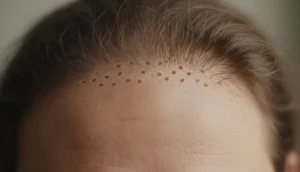
FUE involves harvesting individual follicular units from a donor area—typically the back of the scalp—and implanting them into thinning zones. This method leaves tiny, dot‑like scars that are virtually invisible.
Direct Hair Implantation (DHI)
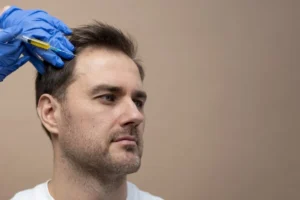
DHI uses a patented implanter pen to place grafts at precise angles and depths, improving graft survival rates. The procedure is especially effective for patients with limited donor hair, as it maximizes the use of each follicle.
| Technique | Key Advantages | Typical Recovery Time | Ideal Candidate |
|---|---|---|---|
| FUE | Minimal scarring, flexible donor site | 7‑10 days for visible healing | Patients with moderate to extensive thinning |
| DHI | Higher graft survival, natural hair direction | 5‑7 days for visible healing | Patients seeking dense results with limited donor hair |
Both FUE and DHI can be performed under local anesthesia, and results typically become evident after 3‑4 months, with full maturation at 12‑18 months. The decision between techniques depends on hair loss severity, donor hair availability, and personal aesthetic goals.
Choosing a reputable clinic ensures that the grafts are harvested and implanted with meticulous care, preserving the natural angle and curl pattern of each hair strand.
Frequently Overlooked Questions About Dut Hair Loss
Even after reviewing medications and treatment options, many patients still have lingering doubts. Below are answers to common concerns that are often missed in routine consultations.
- Can dutasteride cause permanent hair loss? In most cases, hair loss associated with dutasteride is reversible after discontinuation, but prolonged exposure may lead to lasting follicular miniaturization in susceptible individuals.
- Is topical dutasteride safer than oral? Topical application targets scalp DHT directly, reducing systemic exposure and potentially lowering the risk of sexual side effects, though long‑term data are still emerging.
- Do women experience dut hair loss? While dutasteride is rarely prescribed to women, off‑label use can affect female androgen levels, leading to thinning, especially in the frontal scalp.
- How long before I see results from medical therapy? Minoxidil and oral supplements typically require 3‑6 months of consistent use before noticeable improvement.
- Should I stop the medication if I notice shedding? Sudden discontinuation can cause a rebound increase in DHT. Discuss a tapering plan with your physician instead of stopping abruptly.
Addressing these questions early can prevent unnecessary anxiety and help you stay on a proactive treatment path.
Why Choose Gold City Hair
Gold City Hair has been delivering personalized hair restoration solutions in Turkey since 2017. Our team combines expertise in FUE, DHI, and eyebrow/beard transplants with a transparent, patient‑focused approach. We tailor each plan to the individual’s unique hair loss pattern, ensuring natural results and lasting confidence.
Ready to take control of dut hair loss and restore your natural look? Contact Gold City Hair today to schedule a free, no‑obligation consultation and discover the best treatment plan for you.
FAQ
Is topical dutasteride safer than oral?
Topical dutasteride targets scalp DHT directly, reducing systemic exposure and potentially lowering the risk of sexual side effects, though long‑term safety data are still limited.
Do women experience dut hair loss?
While dutasteride is rarely prescribed to women, off‑label use can lower androgen levels and lead to thinning, especially on the frontal scalp.
How long before I see results from medical therapy?
Minoxidil and oral supplements typically require 3‑6 months of consistent use before noticeable improvement, while topical dutasteride may show changes within 2‑4 months.
Should I stop the medication if I notice shedding?
Abruptly stopping dutasteride can cause a rebound increase in DHT; it’s better to discuss a tapering plan or dosage adjustment with your physician.
What is the difference between FUE and DHI hair transplant techniques?
FUE extracts individual grafts and leaves tiny dot scars, while DHI uses a patented implanter pen for precise placement, offering higher graft survival and natural hair direction.