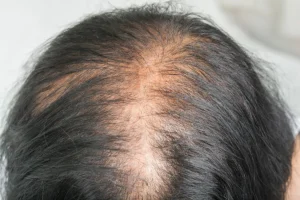
Losing hair at crown of head is a common concern that affects both men and women, often leading to reduced self‑esteem and questions about future hair health. This article breaks down the underlying reasons, how professionals diagnose the condition, and the range of treatment options—from topical therapies to advanced transplant techniques. By the end, you’ll know what steps to take whether you prefer a non‑invasive approach or a permanent surgical solution.
According to recent dermatology studies, up to 40 % of individuals experience noticeable thinning on the crown by the age of 35. The pattern may start subtly, but without proper care it can progress to a distinct bald spot that draws attention.
We’ll explore the science behind crown hair loss, practical ways to assess your situation, and the latest treatments offered by Gold City Hair, a leading Turkish clinic specializing in personalized hair restoration.
Common Causes of Crown Hair Loss
Understanding why you are losing hair at crown of head begins with recognizing the most frequent contributors. While genetics play a dominant role, several other factors can accelerate thinning in this specific area.
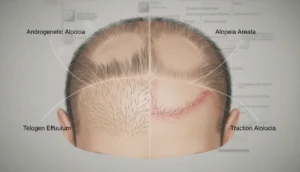
- Androgenetic alopecia – also known as male or female pattern baldness, driven by hormonal sensitivity and hereditary predisposition.
- Telogen effluvium – a temporary shedding phase triggered by stress, illness, or rapid weight loss.
- Alopecia areata – an autoimmune condition that can create round patches, sometimes affecting the crown.
- Traction alopecia – chronic pulling from tight hairstyles, more common in women.
- Scalp conditions such as psoriasis or fungal infections that impair follicle health.
Below is a quick reference table that matches each cause with typical signs and recommended initial actions.
| Cause | Typical Signs | First‑Step Action |
|---|---|---|
| Androgenetic alopecia | Gradual thinning, often symmetrical | Consult a dermatologist for DHT‑blocking options |
| Telogen effluvium | Diffuse shedding, recent stressor | Identify and reduce stressor, improve nutrition |
| Alopecia areata | Round, smooth patches | Seek autoimmune evaluation, topical steroids |
| Traction alopecia | Hair loss along hairline or crown | Switch to looser hairstyles, avoid tight accessories |
| Scalp conditions | Itching, redness, scaling | Medical treatment for underlying skin issue |
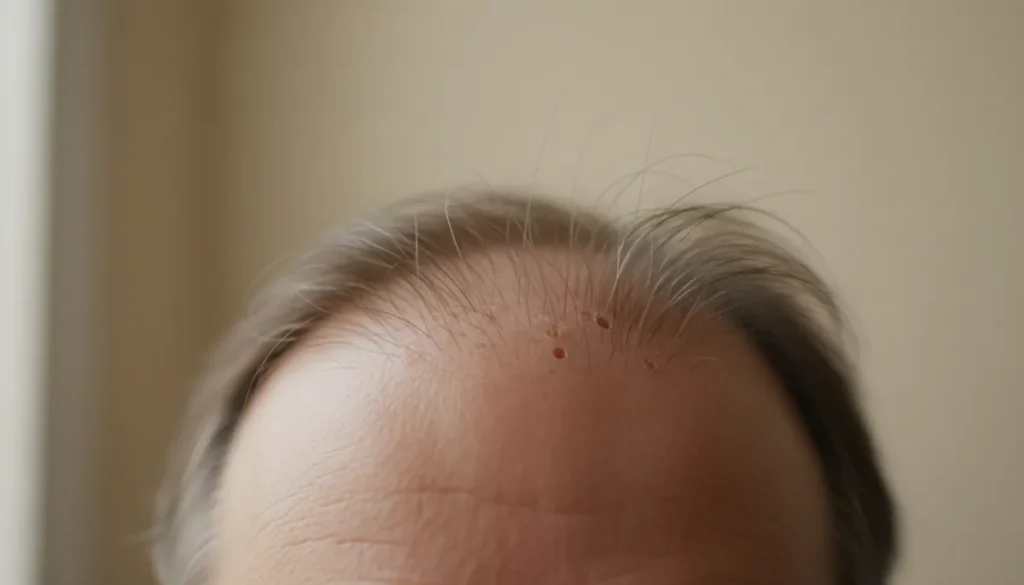
Diagnosing Crown Thinning: What to Expect at a Consultation
A precise diagnosis is essential before deciding on a treatment plan for losing hair at crown of head. Dermatologists and hair restoration specialists use a combination of visual assessment, medical history, and diagnostic tools.
Clinical Examination
The doctor first evaluates the pattern of loss, scalp health, and any signs of inflammation. This visual inspection helps differentiate between androgenetic alopecia and other conditions such as alopecia areata.
Trichoscopy
Also known as scalp dermoscopy, trichoscopy provides magnified images of hair follicles. It can reveal miniaturized hairs, broken shafts, or inflammatory signs that guide treatment choices.
Blood Tests
Laboratory work may include hormone panels (testosterone, DHT), thyroid function, iron levels, and markers for autoimmune activity. These results pinpoint systemic issues contributing to crown hair loss.
Here is a checklist to prepare for your first appointment:
- List of current medications and supplements.
- Family history of hair loss or related conditions.
- Recent life events that could trigger shedding (stress, illness, diet changes).
- Photos of your scalp taken from different angles.
Non‑Surgical Options to Slow or Reverse Crown Thinning
For many individuals, especially those in the early stages of losing hair at crown of head, conservative treatments can stabilize or even improve density.
Topical Therapies
Minoxidil (2 % or 5 %) remains the most widely studied topical solution. Applied twice daily, it stimulates follicular activity and prolongs the growth phase.
Oral Medications
Finasteride and dutasteride inhibit the conversion of testosterone to DHT, a key hormone in androgenetic alopecia. These pills are typically prescribed for men, while anti‑androgen drugs such as spironolactone are options for women.
Platelet‑Rich Plasma (PRP)
PRP therapy involves injecting concentrated platelets from your own blood into the scalp. Growth factors released during the process can enhance follicle health and promote new growth.
A concise comparison of these approaches is shown below:
| Method | Typical Use | Frequency | Expected Timeline for Results |
|---|---|---|---|
| Minoxidil | Early‑stage thinning | Twice daily | 3‑6 months |
| Finasteride | Male pattern crown loss | Once daily | 6‑12 months |
| PRP | Moderate thinning, post‑trauma | Every 3‑4 months | 4‑8 months |
Surgical Solutions: FUE and DHI for Crown Restoration
When non‑surgical methods are insufficient, surgical hair transplantation offers a permanent solution for those losing hair at crown of head. Gold City Hair specializes in both Follicular Unit Extraction (FUE) and Direct Hair Implantation (DHI), techniques that provide natural‑looking density with minimal scarring.
FUE Overview
In FUE, individual follicular units are harvested from a donor area—typically the back of the scalp—and transplanted to the crown. The procedure allows precise placement, matching the natural growth direction.
DHI Overview
DHI uses a specialized implanter pen that places grafts directly into the recipient site without creating pre‑made channels. This can reduce handling time and improve graft survival, especially useful for delicate crown zones.
Below is a side‑by‑side comparison of FUE and DHI for crown restoration:
| Feature | FUE | DHI |
|---|---|---|
| Extraction Method | Punch tool (0.8‑1.0 mm) | Punch tool with implanter pen |
| Implantation | Channels created then grafts placed | Direct placement with pen |
| Scarring | Tiny dot scars | Even less visible |
| Graft Survival Rate | 85‑90 % | 90‑95 % |
| Ideal Candidates | Moderate‑to‑advanced crown loss | Fine‑hair or highly visible crown zones |
Both techniques are performed under local anesthesia, and most patients resume normal activities within a few days. The choice between FUE and DHI depends on your specific crown pattern, donor hair quality, and personal preferences discussed during the consultation.
Aftercare and Long‑Term Maintenance for Crown Transplants
Successful outcomes for those losing hair at crown of head depend not only on the surgical skill but also on diligent aftercare. Following the procedure, patients receive a tailored regimen to protect grafts and promote healthy growth.
Immediate Post‑Procedure Care
- Avoid direct sunlight and excessive heat for the first two weeks.
- Gentle washing with a prescribed mild shampoo after 48 hours.
- Do not rub or scratch the transplanted area; use a soft pillowcase.
Medication and Supplements
Doctors often prescribe anti‑inflammatory medication and may continue minoxidil or oral finasteride to support graft survival.
Long‑Term Lifestyle Tips
- Maintain a balanced diet rich in protein, iron, and omega‑3 fatty acids.
- Manage stress through regular exercise, meditation, or counseling.
- Schedule periodic follow‑up visits to monitor growth and address any concerns.
Adhering to these guidelines can maximize the density and durability of your new crown hair, ensuring a natural look that lasts for years.
Why Choose Gold City Hair
Gold City Hair combines cutting‑edge FUE and DHI technologies with a personalized patient journey. Since 2017, the clinic has helped thousands of individuals regain confidence by addressing crown hair loss with transparent communication, meticulous planning, and post‑procedure support. Our experienced surgeons tailor each treatment to your unique scalp anatomy, ensuring optimal graft placement and natural‑looking results.
Ready to restore a full, natural crown? Contact Gold City Hair today to schedule your personalized consultation and take the first step toward lasting confidence.
Our team is here to guide you through every stage—diagnosis, treatment selection, and aftercare—so you can enjoy a healthier scalp and a revitalized appearance.
FAQ
What are the most common causes of crown hair loss?
The main causes include androgenetic alopecia, telogen effluvium, alopecia areata, traction alopecia, and scalp conditions like psoriasis or fungal infections.
How is crown hair loss diagnosed by a specialist?
Diagnosis involves a clinical exam, trichoscopy, and possibly blood tests to assess hormone levels and overall health.
What non‑surgical treatments are effective for early crown thinning?
Topical minoxidil, oral finasteride or dutasteride, and platelet‑rich plasma (PRP) are the primary non‑surgical options.
When is a surgical hair transplant recommended for crown loss?
Surgery is advised when non‑surgical methods fail to halt progression or when the patient seeks a permanent, dense restoration.
What after‑care steps are crucial after a crown hair transplant?
Avoid sun, gentle washing, medication adherence, and a healthy lifestyle are key for graft survival and optimal results.
Why choose Gold City Hair for crown hair restoration?
Gold City Hair combines advanced FUE/DHI techniques with personalized care and a proven track record since 2017.