If you’re wondering how to grow hair on bald patches naturally, you’re not alone. Millions of people experience thinning areas or bald spots and seek gentle, effective solutions before turning to surgical options. This article explores the science behind hair growth, lifestyle habits that boost regrowth, and evidence‑based natural treatments that can help restore confidence.
Recent studies suggest that up to 40 % of adults will notice some degree of hair loss by age 35, making early intervention crucial. Understanding the underlying causes—whether hormonal, nutritional, or stress‑related—allows you to target the problem precisely.
In the sections below, we’ll cover the hair growth cycle, dietary adjustments, herbal remedies, scalp care routines, and when professional interventions become necessary. By the end, you’ll have a clear roadmap to support your hair’s natural ability to regenerate.
Understanding Bald Patches and the Hair Growth Cycle
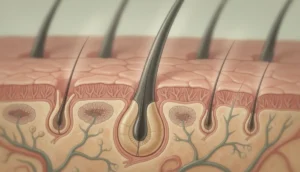
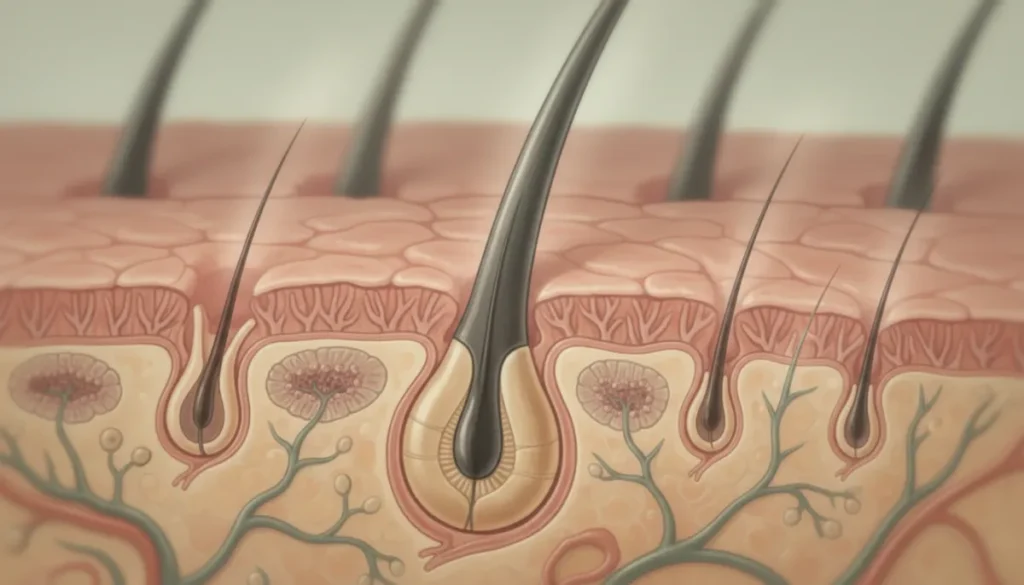
The scalp’s ability to produce new strands depends on the hair growth cycle, which consists of three phases: anagen (growth), catagen (transition), and telogen (rest). Most people have about 85 % of hairs in the active anagen phase. When a bald patch forms, the proportion of hairs in telogen often increases, shortening the growth period.
Key factors that shift follicles into the resting phase include:
- Hormonal imbalances, especially dihydrotestosterone (DHT) in men.
- Nutrient deficiencies such as iron, zinc, and biotin.
- Chronic stress leading to elevated cortisol levels.
- Inflammatory scalp conditions that damage follicle health.
Recognizing these triggers helps you choose interventions that address the root cause rather than merely masking symptoms. Below is a quick reference table summarizing common causes and natural countermeasures.
| Cause | Natural Countermeasure |
|---|---|
| High DHT levels | Saw palmetto, pumpkin seed oil |
| Iron deficiency | Spinach, lentils, fortified cereals |
| Stress | Mindfulness, regular exercise |
| Scalp inflammation | Tea tree oil, aloe vera |
Lifestyle Changes That Support Natural Hair Regrowth
Adopting habits that promote overall health can significantly improve hair regrowth on bald spots. Nutrition plays a pivotal role; a diet rich in protein, omega‑3 fatty acids, and antioxidants supplies the building blocks follicles need.
Consider these evidence‑backed lifestyle tweaks:
- Balanced diet: Include lean meats, fish, nuts, and legumes to ensure adequate protein intake. Vitamin‑rich foods like berries and leafy greens provide antioxidants that protect follicle cells from oxidative stress.
- Regular exercise: Cardiovascular activity boosts circulation to the scalp, delivering oxygen and nutrients more efficiently.
- Stress management: Practices such as meditation, yoga, or deep‑breathing reduce cortisol, which can otherwise push hairs into the telogen phase.
- Sleep hygiene: Aim for 7‑9 hours nightly; growth hormone peaks during deep sleep, supporting tissue repair.
Hydration is another often‑overlooked factor. Dehydrated skin can become flaky, impeding the delivery of nutrients to hair follicles. Drinking at least eight glasses of water daily helps maintain a healthy scalp environment.
Top Natural Ingredients and DIY Treatments
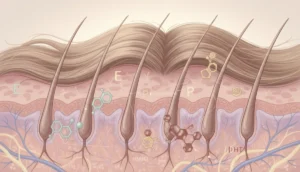
Several botanicals and oils have demonstrated efficacy in stimulating hair follicles and reducing scalp inflammation. When used consistently, these natural ingredients can complement dietary efforts and encourage hair regrowth on bald patches.
Key players include:
- Rosemary oil: Increases circulation and may inhibit DHT formation. A daily scalp massage with diluted rosemary oil has been linked to improved hair density.
- Aloe vera gel: Soothes irritated skin and provides vitamins A, C, and E, which are essential for healthy follicles.
- Onion juice: Contains sulfur, a mineral that supports keratin production. Studies show a 45 % increase in regrowth after regular application.
- Green tea extract: Rich in catechins that protect against oxidative damage and may boost the anagen phase.
Below is a simple DIY scalp serum recipe you can prepare at home:
- 2 tablespoons carrier oil (e.g., jojoba or coconut)
- 5 drops rosemary essential oil
- 5 drops peppermint essential oil (for a cooling effect)
- 1 teaspoon aloe vera gel
- Mix thoroughly and store in a dark glass bottle.
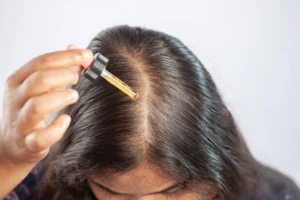
Apply the serum to the bald patch twice daily, massaging gently for 3–5 minutes to enhance absorption. Consistency over 8–12 weeks yields the best results.
Scalp Care Practices for Optimal Growth
Maintaining a clean, well‑moisturized scalp is essential for creating an environment where hair can thrive. Over‑washing can strip natural oils, while under‑washing may lead to buildup that blocks follicles.
Recommended scalp care routine:
- Gentle cleansing: Use a sulfate‑free shampoo 2–3 times per week. Look for ingredients like tea tree oil or zinc pyrithione that help control dandruff without harsh chemicals.
- Exfoliation: A weekly scalp scrub with fine sugar particles and a few drops of lavender oil removes dead skin and stimulates circulation.
- Conditioning: Apply a lightweight conditioner only to the hair shafts, avoiding the scalp to prevent excess oiliness.
- UV protection: When spending extended time outdoors, wear a hat or use a sunscreen spray formulated for the scalp to shield follicles from UV‑induced damage.
Regular scalp massages, even without products, can increase blood flow and encourage the anagen phase. Aim for 5 minutes each session, using circular motions with fingertips.
When to Consider Professional Options
While natural methods can be effective for many, some individuals may find limited progress due to genetic factors or advanced alopecia. In such cases, consulting a qualified hair restoration clinic can provide additional pathways.
Professional avenues include:
- Platelet‑rich plasma (PRP) therapy: Uses your own blood platelets to stimulate follicle activity.
- Low‑level laser therapy (LLLT): Improves cellular metabolism in hair follicles.
- Hair transplant procedures: Techniques like FUE (Follicular Unit Extraction) and DHI (Direct Hair Implantation) offer permanent solutions for stubborn bald spots.
Before deciding, evaluate the following:
| Consideration | Natural Approach | Professional Approach |
|---|---|---|
| Cost | Low to moderate (ingredients, time) | Higher (clinical fees) |
| Time to results | 3‑12 months | Immediate to 6 months |
| Invasiveness | Non‑invasive | Minimally invasive (PRP/LLLT) to surgical (transplant) |
Choosing the right path depends on your goals, budget, and the severity of hair loss. Many patients combine natural regimens with professional treatments for optimal outcomes.
Why Choose Gold City Hair
Gold City Hair has been delivering personalized hair restoration solutions in Turkey since 2017. Our team combines advanced techniques such as FUE and DHI with a commitment to transparent communication and patient comfort. Whether you’re seeking a surgical transplant or guidance on natural regrowth, we tailor each plan to your unique needs, ensuring safe, effective results.
Ready to revitalize your scalp? Contact Gold City Hair today to schedule a personalized consultation and discover the most effective natural and clinical options for your hair journey.
FAQ
How can I naturally grow hair on bald patches?
Use a combination of diet, scalp care, stress management, and proven herbal treatments to stimulate follicle activity.
Which foods are best for supporting hair regrowth?
Protein‑rich foods, leafy greens, nuts, seeds, and omega‑3 sources like fish are most beneficial.
What herbal ingredients are most effective for hair regrowth?
Rosemary oil, aloe vera, onion juice, and green tea extract have the strongest evidence.
How often should I massage my scalp for optimal hair growth?
Massage the scalp for 5 minutes, 2‑3 times per day.
When is it appropriate to consider professional hair restoration treatments?
If natural methods show little progress after 6‑12 months or if hair loss is advanced, consult a specialist.