Receding hair loss is a common concern that affects millions of adults worldwide, often beginning with a subtle thinning at the temples or crown. This article explains the underlying mechanisms, early warning signs, and the full spectrum of treatment options—from lifestyle adjustments to advanced hair transplant techniques. By the end of this guide, you will know how to identify the problem early, choose the right therapeutic path, and maintain healthy hair growth for years to come.
According to recent dermatology surveys, about 40 % of men notice a noticeable receding hairline by age 35, while a growing number of women experience similar patterns of hair thinning. Understanding why this happens and what can be done about it is essential for preserving confidence and self‑esteem.
We will explore the biological drivers behind hair follicle shrinkage, evaluate non‑surgical interventions such as finasteride and minoxidil, and detail surgical solutions like FUE and DHI performed by experienced specialists. Whether you are seeking preventive care or a permanent restoration, the information here will help you make an informed decision.
What Causes Receding Hair Loss?
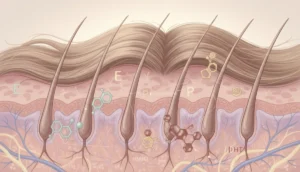
The primary driver of receding hair loss is androgenetic alopecia, often referred to as male or female pattern baldness. This hereditary condition is linked to the hormone dihydrotestosterone (DHT), which shortens the growth phase of hair follicles and leads to progressive thinning. Genetic predisposition determines how sensitive an individual’s follicles are to DHT, explaining why the condition runs in families.
Other contributing factors include:
- Hormonal changes – thyroid disorders, menopause, and elevated cortisol can accelerate hair shedding.
- Stress and poor nutrition – chronic stress and deficiencies in iron, zinc, or vitamin D impair hair growth cycles.
- Medical conditions – autoimmune disorders such as alopecia areata and scalp infections may trigger localized hair loss.
- Mechanical trauma – tight hairstyles or excessive pulling can cause traction alopecia, which mimics a receding pattern.
Understanding these triggers helps clinicians tailor a comprehensive hair loss treatment plan that addresses both the root cause and the visible symptoms.

Early Signs and How to Diagnose Receding Hair Loss
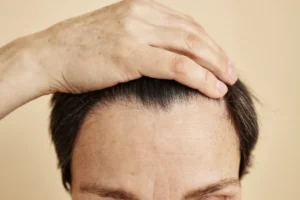
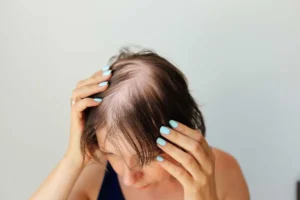
Detecting receding hair loss early can dramatically improve treatment outcomes. The most common early sign is a gradual recession of the hairline at the temples, forming an “M” shape in men. Women may notice widening of the part line or diffuse thinning across the crown.
Professional diagnosis typically involves:
- Visual examination – dermatologists assess the pattern and extent of thinning using standardized scales such as the Hamilton‑Norwood classification for men or the Ludwig scale for women.
- Scalp dermoscopy – a handheld device magnifies the scalp, revealing miniaturized follicles and inflammation.
- Blood tests – to rule out hormonal imbalances, iron deficiency, or thyroid dysfunction.
- Family history review – helps gauge genetic risk factors.
| Diagnostic Tool | Purpose | Typical Findings in Receding Hair Loss |
|---|---|---|
| Visual Examination | Assess pattern and severity | Hairline recession, thinning crown |
| Scalp Dermoscopy | Inspect follicle health | Miniaturized hairs, perifollicular inflammation |
| Blood Tests | Identify systemic causes | Low ferritin, abnormal thyroid hormones |
| Family History | Determine genetic predisposition | Positive history of androgenetic alopecia |
Early detection allows for prompt initiation of hair growth therapies, which can halt or even reverse the recession before permanent follicle loss occurs.
Non‑Surgical Options to Slow or Reverse Hair Thinning
For many individuals, the first line of defense against receding hair loss consists of non‑surgical treatments that target the hormonal and nutritional pathways responsible for follicle miniaturization.
Key medical options include:
- Finasteride – an oral prescription that blocks the conversion of testosterone to DHT, proven to reduce hair shedding and promote regrowth in the majority of users.
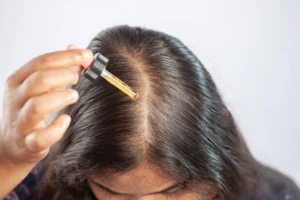
- Minoxidil – a topical solution available over the counter that stimulates blood flow to the scalp, extending the anagen (growth) phase of hair.
- Low‑level laser therapy (LLLT) – devices that emit red light to improve cellular metabolism within hair follicles.
Adjunct lifestyle measures can enhance these treatments:
- Balanced diet rich in protein, omega‑3 fatty acids, and biotin.
- Stress‑management techniques such as meditation or regular exercise.
- Avoiding harsh styling practices that cause traction alopecia.
While non‑surgical methods are effective for many, they typically require consistent, long‑term use. Discontinuation may lead to a gradual return of shedding, emphasizing the importance of a sustainable regimen.
Surgical Hair Restoration: FUE, DHI, and Advanced Techniques
When non‑surgical approaches are insufficient, surgical hair restoration offers a permanent solution to receding hair loss. The most widely adopted methods are Follicular Unit Extraction (FUE) and Direct Hair Implantation (DHI), both of which harvest healthy follicles from a donor area—typically the back of the scalp—and transplant them to thinning zones.
Key differences:
- FUE – individual follicles are extracted using a micro‑punch tool, creating tiny, dot‑like scars that are virtually invisible.
- DHI – utilizes a specialized implanter pen that places follicles directly into the recipient site without creating pre‑made channels, allowing for higher graft survival rates.
Advanced techniques such as robotic‑assisted FUE and stem‑cell‑enhanced grafts are emerging, offering greater precision and potentially faster recovery. A typical session involves:
- Consultation and design of the hairline.
- Local anesthesia administration.
- Extraction of grafts (usually 1,500–3,500 per session).
- Implantation into pre‑planned recipient sites.
- Post‑operative care instructions.
Results become visible after 3–4 months, with full maturation around 12–18 months. Success rates for FUE and DHI exceed 90 % when performed by experienced surgeons, making them the gold standard for addressing receding hair loss.
Post‑Procedure Care and Maintaining Long‑Term Results
Achieving a natural, lasting outcome from a hair transplant requires diligent after‑care and ongoing maintenance. Immediate post‑operative instructions typically include:
- Keeping the scalp clean with a gentle, prescribed shampoo.
- Avoiding direct sun exposure and high‑heat styling for the first two weeks.
- Refraining from strenuous exercise that could increase scalp blood flow and cause graft displacement.
Long‑term maintenance focuses on preserving both transplanted and native hair:
- Continue using minoxidil or finasteride if recommended by your surgeon.
- Adopt a nutrient‑rich diet with adequate protein, iron, and vitamins.
- Schedule regular follow‑up appointments to monitor graft survival and address any emerging thinning.
Patients who combine surgical restoration with ongoing medical therapy often experience the most robust and durable hair density, effectively preventing further recession and supporting overall scalp health.
Why Choose Gold City Hair for Hair Restoration
Gold City Hair has been delivering personalized hair restoration solutions in Turkey since 2017. Our clinic specializes in FUE, DHI, and eyebrow/beard transplants, ensuring each patient receives a treatment plan tailored to their unique hair pattern and aesthetic goals. With a transparent communication approach, we guide you through every step—from initial diagnosis to post‑procedure follow‑up—so you can feel confident in the journey toward restored confidence.
Our team of certified surgeons utilizes the latest technology and adheres to strict safety standards, offering high graft survival rates and natural‑looking results. By choosing Gold City Hair, you benefit from a trusted, experienced clinic dedicated to achieving lasting, natural hair growth.
Ready to stop the recession and regain a fuller, natural-looking hairline? Contact Gold City Hair today to schedule your personalized consultation and take the first step toward lasting confidence.
FAQ
What causes receding hair loss?
The primary cause is androgenetic alopecia, a hereditary condition driven by DHT that shortens the hair growth phase.
How can I diagnose early signs of receding hair loss?
Early signs include a thinning hairline at the temples or crown, which can be evaluated with visual exams, scalp dermoscopy, blood tests, and family history.
What are the most effective non‑surgical treatments for receding hair loss?
Finasteride, minoxidil, and low‑level laser therapy are the leading non‑surgical options, often combined with lifestyle changes.
What is the difference between FUE and DHI hair transplant techniques?
FUE extracts individual follicles with a micro‑punch, while DHI implants them directly using a pen, offering higher graft survival and no pre‑made channels.
How long does it take to see results after a hair transplant?
Initial growth appears around 3–4 months, with full maturation typically reached between 12 and 18 months.
What post‑procedure care is recommended to maintain hair transplant results?
Gentle scalp cleansing, sun protection, avoiding strenuous activity, and continued use of medical therapies like minoxidil or finasteride are essential.