Many people wonder what does a hair transplant look like when they first consider restoring their hair, and the answer lies in a clear, visual journey from the operating room to the final, natural‑looking result. Understanding each stage helps set realistic expectations, reduces anxiety, and empowers you to make an informed decision about your hair restoration plan. In Turkey, clinics like Gold City Hair have refined the process to deliver consistent, high‑quality outcomes for thousands of patients worldwide.
In this article we will walk through every visible phase of a modern hair transplant, from the initial consultation through the months‑long healing period. You’ll see what the scalp looks like immediately after surgery, how the grafts behave during the shedding phase, and what the final transformation resembles in before‑and‑after photos. By the end, the question “what does a hair transplant look like?” will have a concrete, visual answer you can trust.
Whether you are dealing with a receding hairline, thinning crown, or bald patch, the visual progression of a successful transplant can restore confidence and give you a realistic timeline for when you’ll notice new growth. Let’s explore the full picture.
The Hair Transplant Procedure: From Consultation to Extraction

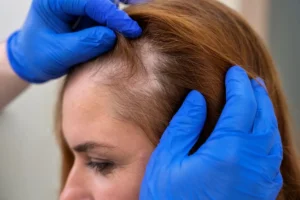
The journey begins long before any scalp is touched. During the initial consultation, a specialist evaluates your pattern of hair loss, examines the donor area (usually the back of the head), and discusses goals, expectations, and the number of grafts required. High‑resolution photographs and digital simulations often illustrate potential outcomes, giving you a visual reference of what a hair transplant looks like after completion.
Once a plan is approved, the patient arrives for the surgical day. The scalp is cleansed, and local anesthesia is administered to ensure a pain‑free experience. Two of the most popular extraction methods are FUE (Follicular Unit Extraction) and DHI (Direct Hair Implantation). Both techniques harvest individual hair grafts from the donor zone, but they differ in handling and implantation steps.
Extraction Techniques Compared
| Technique | How It Works | Key Advantages |
|---|---|---|
| FUE | Microscopic punches remove follicular units one by one. | Minimal scarring, flexible graft placement. |
| DHI | Grafts are loaded into a Choi pen and implanted directly. | Reduced handling time, higher graft survival. |
After extraction, the grafts are kept in a chilled solution to preserve vitality. The surgeon then creates tiny incisions in the recipient area, following the natural hair direction and density patterns. Finally, the grafts are placed into these channels, completing the transplant. The entire operation typically lasts 4‑8 hours, depending on the number of grafts and the technique used.
What You’ll See Immediately After Surgery: First‑Week Appearance
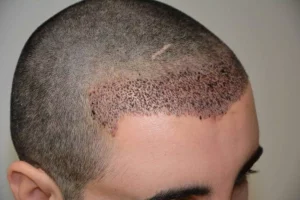
In the first 24‑48 hours, the transplanted area typically looks like a lightly bandaged canvas. Small circular marks from the extraction sites may be visible, and the scalp often appears pinkish‑red due to mild inflammation. This is a normal response and part of the healing process.
Patients usually notice:
- Redness and mild swelling around the graft sites, especially in the frontal region.
- Small scabs forming over each implanted follicle, which will fall off naturally within 7‑10 days.
- Bandages or a light protective dressing that is removed by the clinic staff before discharge.
During this period, post‑operative care is crucial. Gentle washing with a prescribed shampoo, avoiding direct sunlight, and keeping the head elevated while sleeping help reduce swelling and promote optimal graft adherence. Most patients can return to light, non‑strenuous activities within a few days, but it is advisable to avoid intense workouts or heavy lifting for at least a week.
Recovery Timeline: How the Transplant Evolves Over Weeks and Months
The visual transformation of a transplant unfolds gradually. Understanding each stage demystifies the process and helps you track progress accurately.
Weeks 2‑4: Shedding Phase
Approximately two weeks after surgery, the transplanted hairs enter a natural shedding phase, often referred to as “shock loss.” The follicles have been relocated, and the old hairs fall out to make way for new growth. This can be alarming, but it is a sign that the grafts are resetting and preparing to produce fresh hair.
Months 2‑6: New Growth
New hair typically emerges as fine, soft strands resembling baby hair. By the third month, these hairs begin to thicken and darken, gradually blending with existing hair. Most patients notice a visible increase in density around the 4‑month mark.
Beyond 12 Months: Final Results
Full maturation of the grafts occurs around 12‑18 months post‑procedure. At this point, the hair has reached its final thickness, color, and natural growth cycle. The result is a seamless, natural‑looking hairline that mirrors the surrounding native hair.
| Time Frame | What You See | Key Care Tips |
|---|---|---|
| Day 1‑7 | Scabs, redness, mild swelling | Gentle washing, keep head elevated |
| Weeks 2‑4 | Hair shedding, faint pinkness | Avoid picking scabs, maintain scalp hygiene |
| Months 2‑6 | Fine new hair, increasing density | Use recommended growth serums, protect from UV |
| Months 12‑18 | Full‑grown hair, natural appearance | Regular follow‑up, maintain healthy lifestyle |
Understanding Before‑and‑After Images: What to Expect
Before‑and‑after galleries are the most compelling proof of a successful transplant. When you browse images, look for the following markers to gauge realistic outcomes:
- Consistent hair direction that follows the natural growth pattern.
- Even density distribution across the frontal, crown, and side regions.
- Absence of noticeable scars or “plug” marks, especially in FUE procedures.
- Gradual progression that matches the recovery timeline described above.
It’s important to remember that individual results vary based on donor hair quality, the number of grafts, and adherence to post‑operative instructions. High‑resolution before‑and‑after photos from reputable clinics like Gold City Hair typically display a natural transition without abrupt lines or patchy areas.
Common Concerns: Scars, Graft Survival, and Longevity
Many prospective patients ask, “what does a hair transplant look like” when they worry about visible scarring or graft failure. Modern techniques have dramatically reduced these risks.
Scar Appearance
FUE leaves only microscopic puncture points that are virtually invisible once the hair grows back. DHI, using the same extraction method, also results in minimal scarring. Proper after‑care, such as avoiding sun exposure and keeping the scalp moisturized, further diminishes any residual marks.
Graft Survival
Survival rates for well‑performed FUE or DHI procedures exceed 90 %. Factors influencing success include the surgeon’s expertise, the handling time of grafts, and the patient’s compliance with post‑operative protocols.
How Long Do Results Last?
Since transplanted hairs are taken from permanent donor zones, they retain their resistance to the hormone DHT that causes typical male‑pattern baldness. Consequently, the results are considered permanent, with natural aging and lifestyle factors being the only variables that might affect long‑term appearance.
Why Choose Gold City Hair for Your Hair Transplant
Gold City Hair has been delivering personalized hair restoration solutions in Turkey since 2017. Our team combines extensive experience with the latest FUE and DHI technologies to ensure each graft is placed with precision and care. Transparent communication, a comfortable clinic environment, and a commitment to natural‑looking outcomes set us apart. Trust us to guide you through every step of “what does a hair transplant look like” and help you achieve lasting confidence.
Ready to see the transformation for yourself? Contact Gold City Hair today to schedule a free, no‑obligation consultation and start your journey toward a fuller, natural‑looking head of hair.
FAQ
What does a hair transplant look like right after surgery?
The scalp appears pinkish‑red with tiny bandages, small circular marks from extraction sites, and mild swelling.
How long does it take to see new hair growth after a transplant?
New hair usually starts to emerge around 2‑3 months, becoming noticeable by 4‑6 months.
What is the difference between FUE and DHI extraction techniques?
FUE uses microscopic punches to remove grafts, while DHI loads grafts into a Choi pen for direct implantation.
Will I have visible scars after a hair transplant?
Modern FUE and DHI leave only microscopic dot scars that are virtually invisible once hair grows back.
How long do the results of a hair transplant last?
Results are considered permanent because grafts come from donor areas resistant to DHT.
What post‑operative care is recommended during the first week?
Gentle washing, keep the head elevated, avoid direct sun, and limit strenuous activity.