When you search for what is a trichologist, you’re looking for a professional who specializes in the science of hair and scalp health. A trichologist is a trained expert who assesses hair loss, thinning, and scalp disorders, offering personalized solutions that go beyond generic advice. In a world where up to 40 % of men and 30 % of women experience noticeable hair thinning by age 35, understanding who can help you is essential.
This article explains the role of a trichologist, the science behind trichology, and how it differs from other medical specialties. We’ll also cover the signs that indicate a visit to a hair specialist is warranted, what to expect during a consultation, and the pathways to becoming a certified trichologist. Whether you’re dealing with early‑stage hair loss or simply curious about scalp care, the information below will guide you toward the right professional.
By the end of this guide, you’ll know the key reasons to seek a trichology expert and how their expertise can complement other treatments, such as hair transplantation, to restore confidence and hair health.
The Science Behind Trichology: What the Study of Hair Involves
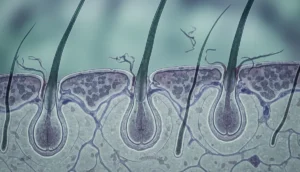
Trichology, derived from the Greek word “trichos” meaning hair, is the dedicated study of hair growth cycles, follicle biology, and scalp conditions. A trichologist examines the hair shaft, follicle structure, and the surrounding skin to diagnose issues ranging from androgenetic alopecia to fungal infections.
Key tools used in trichology include:
- Trichoscope – a handheld dermatoscope for magnified scalp imaging.
- Hair pull test – assesses shedding rates by gently pulling a small bundle of hair.
- Scalp biopsy – a minor procedure for detailed histological analysis.
- Digital phototrichogram – tracks hair growth over time using high‑resolution photography.
Through these methods, a trichologist can map the three phases of the hair growth cycle—anagen (growth), catagen (transition), and telogen (rest). Understanding where a disruption occurs helps pinpoint the underlying cause, whether hormonal, nutritional, or environmental.
Trichology also overlaps with nutrition science, genetics, and stress physiology. For instance, deficiencies in iron, vitamin D, or zinc often manifest as diffuse thinning, a pattern a qualified hair specialist can detect early.

Key Differences Between a Trichologist and a Dermatologist
Many patients wonder whether to see a trichologist or a dermatologist for hair concerns. While both address scalp health, their training and focus differ significantly.
| Aspect | Trichologist | Dermatologist |
|---|---|---|
| Primary Training | Specialized certification in trichology; often background in cosmetology, biology, or nursing. | Medical degree (MD or DO) with residency in dermatology. |
| Scope of Practice | Focus on hair growth cycles, scalp analysis, non‑surgical treatments, and lifestyle counseling. | Broad skin health, including medical skin diseases, surgical procedures, and prescription medications. |
| Typical Treatments | Topical serums, low‑level laser therapy, nutritional plans, scalp micro‑needling. | Prescription drugs (e.g., finasteride, minoxidil), corticosteroid injections, surgical excisions. |
| When to See | Early‑stage thinning, scalp irritation, hair texture concerns, preventive care. | Severe alopecia areata, scalp psoriasis, infections requiring medication, suspicious lesions. |
In practice, a hair specialist may collaborate with a dermatologist to provide a comprehensive plan. For example, a patient with androgenetic alopecia might receive medical therapy from a dermatologist and supportive scalp care from a trichologist.
When to See a Trichologist: Common Hair and Scalp Concerns
Identifying the right moment to book an appointment with a trichology expert can prevent minor issues from escalating. Below are typical scenarios where a hair doctor or scalp specialist is recommended.
- Gradual thinning on the crown or temples without obvious patchiness.
- Excessive shedding during washing or brushing (more than 100 hairs per day).
- Scalp itchiness or flakiness that persists despite over‑the‑counter shampoos.
- Changes in hair texture such as increased brittleness or loss of shine.
- Post‑treatment monitoring after hair transplant or PRP therapy.
Other red‑flag signs—such as sudden bald patches, pain, or sores—should prompt a visit to a dermatologist first, as these may indicate underlying medical conditions.
By consulting a trichologist early, you gain access to targeted, non‑invasive interventions that can stabilize hair loss, improve scalp health, and enhance the outcomes of any future surgical procedures.
What to Expect During a Trichology Consultation
A typical trichology appointment follows a structured yet personalized flow, ensuring you leave with a clear action plan.
1. Initial Interview
The specialist asks about your medical history, family patterns of hair loss, lifestyle, and any current hair products. This information helps differentiate genetic factors from environmental triggers.
2. Scalp Examination
Using a trichoscope, the practitioner evaluates follicle density, skin condition, and signs of inflammation. Photographs are often taken for future comparison.
3. Diagnostic Tests (if needed)
Depending on the findings, you may undergo a hair pull test, blood work for hormone levels, or a scalp biopsy to rule out infections.
4. Personalized Treatment Plan
The plan can include:
- Topical formulations (e.g., peptide serums).
- Low‑level laser devices for home use.
- Dietary recommendations and supplements.
- Referral to a dermatologist or surgeon for advanced therapies.
5. Follow‑Up Schedule
Progress is typically reviewed every 3–6 months, with adjustments based on hair growth metrics and patient feedback.
This comprehensive approach ensures that each step—from assessment to treatment—is grounded in scientific evidence and tailored to your unique hair profile.
Training and Certification: How Professionals Become Trichologists
Becoming a certified trichologist involves a blend of academic study, practical training, and ongoing education.
- Foundational Education – Many start with a degree in biology, cosmetology, nursing, or a related health field.
- Specialized Trichology Courses – Accredited programs, such as those offered by the International Association of Trichologists, provide 200–300 hours of coursework covering hair anatomy, scalp disorders, and treatment modalities.
- Practical Experience – Internships or mentorships in hair clinics allow trainees to observe real‑world assessments and apply diagnostic tools.
- Certification Exam – Candidates must pass a written and practical exam to earn titles like “Certified Trichologist” or “Registered Trichologist.”
- Continuing Education – Ongoing workshops keep professionals updated on emerging technologies such as platelet‑rich plasma (PRP) and stem‑cell‑based scalp therapies.
While trichology is not a medical doctorate, many practitioners collaborate closely with dermatologists and surgeons, creating a multidisciplinary network that benefits patients seeking comprehensive hair restoration.
Why Choose Gold City Hair for Your Hair Health Journey
Gold City Hair combines cutting‑edge hair transplant techniques with a deep understanding of scalp health. Since 2017, our team has integrated trichology insights into personalized treatment plans, ensuring that every patient receives both surgical expertise and preventive scalp care. With transparent communication, state‑of‑the‑art facilities in Turkey, and a commitment to lasting results, we empower you to regain confidence through healthy, natural‑looking hair.
Ready to take the first step toward healthier hair? Contact Gold City Hair today for a comprehensive trichology assessment and discover the tailored solutions that can transform your scalp health.
FAQ
What does a trichologist do?
A trichologist assesses hair and scalp health, diagnosing issues like thinning, shedding, and scalp disorders.
How is trichology different from dermatology?
Trichology focuses on hair and scalp health, while dermatology covers all skin conditions and medical treatments.
When should I see a trichologist for hair loss?
Visit a trichologist when you notice gradual thinning, excess shedding, scalp itchiness, or changes in hair texture.
What tools does a trichologist use during a consultation?
Common tools include a trichoscope, hair pull test, scalp biopsy, and digital phototrichogram.
How can a trichologist help after a hair transplant?
They provide scalp care, monitor graft health, and recommend supportive treatments to enhance results.
What qualifications are required to become a certified trichologist?
Certification typically requires a background in biology or cosmetology, specialized trichology coursework, practical experience, and an exam.