Hair fall is due to which vitamin deficiency is a question many people ask when they notice thinning strands or excessive shedding. Understanding the link between nutrition and hair health is essential because a simple dietary gap can trigger significant hair loss. In fact, studies show that up to 30% of hair‑related complaints are linked to micronutrient deficiencies.
This article explores the vitamins most closely tied to hair growth, explains how deficiencies disrupt the hair growth cycle, and offers practical dietary and supplement strategies. Whether you are experiencing early signs of thinning or looking to strengthen existing hair, the information below will help you identify potential gaps and take corrective action.
We will also discuss when nutritional approaches may need to be complemented by professional hair restoration treatments, such as those offered by Gold City Hair, to achieve lasting results.
Key Vitamins Linked to Hair Health
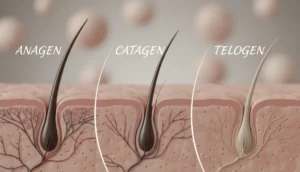
Hair follicles rely on a steady supply of nutrients to sustain the anagen (growth) phase. The following vitamins play pivotal roles:
- Vitamin A: Supports sebum production, keeping the scalp moisturized.
- Vitamin D: Regulates hair follicle cycling; deficiency is often associated with diffuse shedding.
- Vitamin E: Provides antioxidant protection against oxidative stress.
- Vitamin C: Enhances iron absorption and collagen synthesis.
- Biotin (Vitamin B7): Essential for keratin infrastructure.
- Iron: Carries oxygen to hair‑forming cells; low levels can cause telogen effluvium.
- Zinc: Influences hormone balance and DNA synthesis in follicular cells.
When any of these nutrients are lacking, the scalp environment becomes hostile to robust hair growth, often leading to the question “hair fall is due to which vitamin deficiency?” The answer usually involves more than one micronutrient, but some deficiencies are more prevalent than others.
How Vitamin Deficiencies Trigger Hair Fall
Each vitamin influences the hair follicle in a specific way. Below is a comparison of common deficiencies and their direct impact on the hair growth cycle.
| Vitamin / Mineral | Primary Role in Hair | Deficiency Symptom | Typical Hair‑Related Outcome |
|---|---|---|---|
| Vitamin D | Regulates follicle cycling | Fatigue, bone pain | Diffuse thinning, especially on the crown |
| Iron | Oxygen transport to follicles | Pale skin, shortness of breath | Sudden shedding, telogen effluvium |
| Biotin | Keratin production | Rash, brittle nails | Fine, weak hair strands |
| Vitamin A | Sebum regulation | Dry skin, vision issues | Dry, brittle hair and scalp irritation |
| Zinc | DNA synthesis & hormone balance | Loss of appetite, immune weakness | Patchy hair loss, slowed regrowth |
When the scalp lacks these nutrients, the anagen phase shortens while the telogen (resting) phase lengthens, leading to increased shedding. For many, the first clue that “hair fall is due to which vitamin deficiency?” is a noticeable change in hair texture or density, often accompanied by other systemic signs such as fatigue or skin dryness.
Identifying a Vitamin Deficiency: Signs and Tests
Before starting supplements, it is crucial to confirm whether a deficiency exists. Common signs include:
- Persistent hair shedding beyond the normal 50‑100 strands per day.
- Dry, flaky scalp or dandruff that does not improve with regular shampoo.
- General fatigue, pale complexion, or brittle nails.
- Sudden hair thinning in specific areas, such as the temples or crown.
Medical evaluation typically involves a simple blood test that measures serum levels of:
- 25‑hydroxy vitamin D
- Ferritin (iron storage)
- Complete blood count (CBC) for anemia
- Serum zinc and copper
- Thyroid function (to rule out hormonal causes)
These tests help pinpoint the exact nutrient shortfall, allowing for targeted supplementation rather than a trial‑and‑error approach. Consulting a healthcare professional ensures that any underlying health condition, such as anemia or thyroid disorder, is addressed alongside the nutritional plan.
Dietary Strategies and Supplements to Support Hair Growth
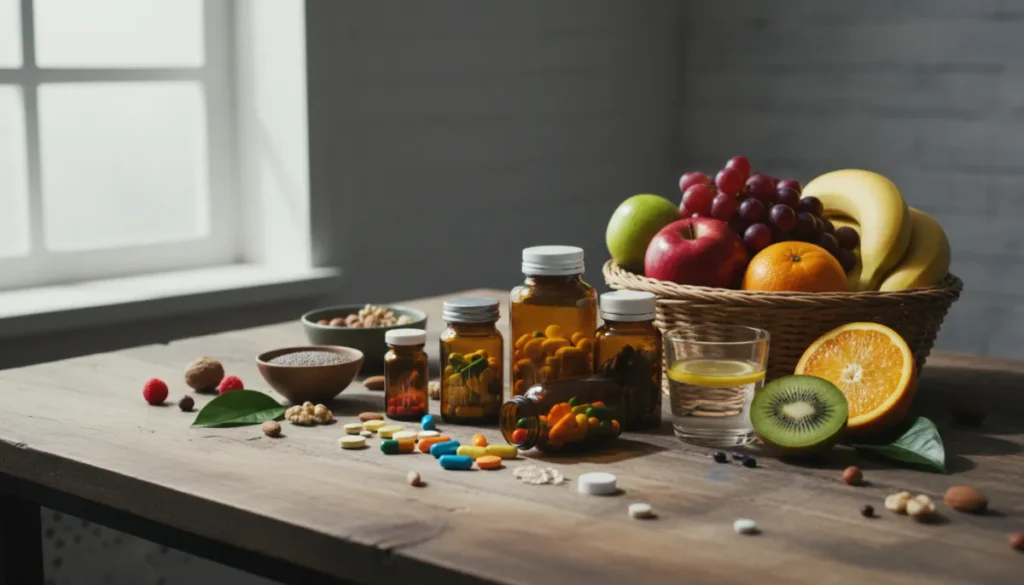
Once a deficiency is identified, dietary adjustments are the first line of defense. Incorporate the following foods to naturally boost the nutrients most associated with hair health:
- Vitamin D: Fatty fish (salmon, mackerel), fortified dairy, and sunlight exposure.
- Iron: Lean red meat, lentils, spinach, and pumpkin seeds.
- Biotin: Eggs, almonds, sweet potatoes, and cauliflower.
- Zinc: Oysters, chickpeas, pumpkin seeds, and quinoa.
- Vitamin A: Carrots, sweet potatoes, and kale.
- Vitamin E: Sunflower seeds, avocados, and olive oil.
When diet alone is insufficient, high‑quality supplements can fill the gap. Look for products labeled as “best vitamins for hair growth” or “hair growth vitamins” that contain a balanced blend of the above nutrients. A typical effective formulation includes:
- Vitamin D3 – 2000 IU
- Iron (as ferrous bisglycinate) – 18 mg
- Biotin – 5000 µg
- Zinc – 15 mg
- Vitamin A – 5000 IU
- Vitamin E – 15 mg
Consistent intake for at least three months is usually required to see measurable improvement in hair density. Remember that excess intake of certain vitamins, especially A and iron, can be harmful, so follow recommended dosages or professional guidance.
When to Consider Medical Hair Restoration Options
Even with optimal nutrition, some individuals continue to experience progressive hair loss due to genetic factors, hormonal imbalances, or scarring alopecia. In such cases, addressing the deficiency alone may not reverse the condition. Recognizing when “hair fall is due to which vitamin deficiency?” has been ruled out or corrected is key to moving forward.
Professional hair restoration methods, such as follicular unit extraction (FUE) and direct hair implantation (DHI), offer permanent solutions by redistributing healthy follicles to balding areas. These techniques are performed by experienced surgeons who tailor the approach to each patient’s scalp characteristics.
Gold City Hair, a leading clinic in Turkey, combines state‑of‑the‑art FUE and DHI with personalized pre‑ and post‑procedure care. Their team ensures that patients receive a comprehensive evaluation, including nutritional status, before any surgical intervention, maximizing the chances of long‑term success.
Why Choose Gold City Hair
Gold City Hair has been delivering aesthetic and cosmetic treatments since 2017, specializing in hair restoration techniques such as FUE, DHI, and eyebrow or beard transplants. The clinic emphasizes a personalized experience, transparent communication, and a commitment to natural‑looking results. With a focus on patient safety and satisfaction, Gold City Hair offers a comprehensive pathway from nutritional assessment to advanced surgical solutions, helping individuals regain confidence and a fuller head of hair.
Ready to restore your hair and confidence? Contact Gold City Hair today for a personalized consultation and discover the best plan for your unique needs.
Take the first step toward healthier hair—schedule your appointment now.
FAQ
What vitamin deficiency is most commonly linked to hair fall?
Vitamin D deficiency is frequently associated with diffuse hair shedding, while iron deficiency often causes sudden telogen effluvium.
How can I tell if my hair loss is due to a vitamin deficiency?
Look for systemic signs like fatigue, brittle nails, dry skin, and specific patterns of thinning, then confirm with blood tests.
Which foods can help improve hair health by providing essential vitamins?
Fatty fish, leafy greens, eggs, nuts, seeds, and colorful vegetables supply the key nutrients for strong hair.
What supplements are recommended for hair growth?
A balanced hair‑growth supplement containing vitamin D3, iron, biotin, zinc, vitamin A, and vitamin E is ideal.
How long does it take to see results after correcting a vitamin deficiency?
Visible improvement typically appears after three to six months of consistent supplementation and diet changes.
When should I consider medical hair restoration instead of just nutrition?
If hair loss continues despite correcting deficiencies, or if genetic or hormonal factors are dominant, medical restoration may be needed.