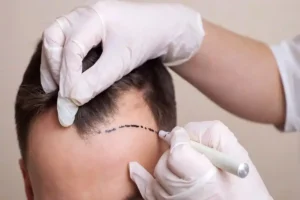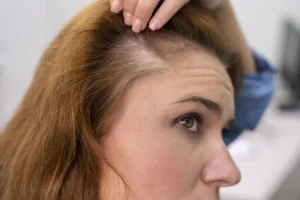

Hair loss, or androgenetic alopecia, is a common issue affecting millions. By age 35, two-thirds of American men notice hair loss. By 50, about 85% see a significant thinning of their hair. Seeing your hair thin or receding can be scary, but you’re not alone.
It’s normal to lose 50 to 100 hairs a day. But finding a lot of hair on your pillow might mean there’s a problem. This could be an early sign of telogen effluvium, caused by stress, hormonal changes, or not eating right. Catching it early is important for managing hair loss.
Regaining your confidence starts with knowing the early signs of balding. With today’s technology and personalized care, you can find treatments and take charge of your hair loss.
Önemli Çıkarımlar
Understand the early signs of balding to take proactive steps.
Hair loss affects millions worldwide, with significant prevalence by age 35 and 50.
Excessive hair shedding can be an indicator of underlying issues.
Modern techniques offer effective solutions for hair restoration.
Personalized care plans can help you achieve your hair goals.
Understanding Hair Loss: Facts and Statistics
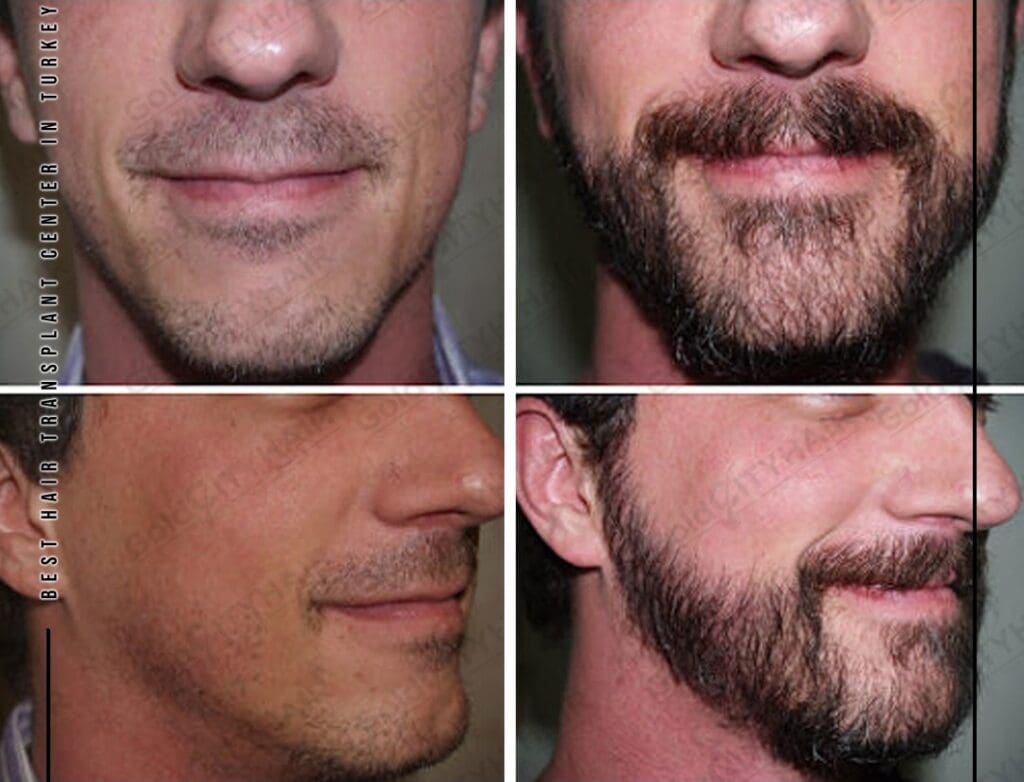
Hair loss, or alopecia, is a common issue. It can be caused by genetics, hormonal changes, and lifestyle. Knowing the facts and statistics helps us understand this widespread problem.
Prevalence of Hair Loss Across Age Groups
Hair loss can happen at any age. By 35, about two-thirds of American men start to lose hair. This number grows with age, with up to 50% of men experiencing male pattern baldness by 50.
Male pattern baldness is the most common type in men. It starts with a receding hairline and gets worse over time.
Male vs. Female Pattern Baldness
Men and women both lose hair, but in different ways. Men often see a receding hairline and thinning at the crown. Women notice thinning all over the scalp, mainly at the part line.
Normal Hair Loss vs. Balding
It’s key to know the difference between normal hair loss and balding. Losing 50 to 100 hairs a day is normal. But balding means losing more hair, often due to genetics or health issues.
Understanding hair loss can help regain confidence. Modern hair restoration methods like DHI and Sapphire FUE offer solutions for dream hair.
Am I Getting Bald? Recognizing the Early Warning Signs
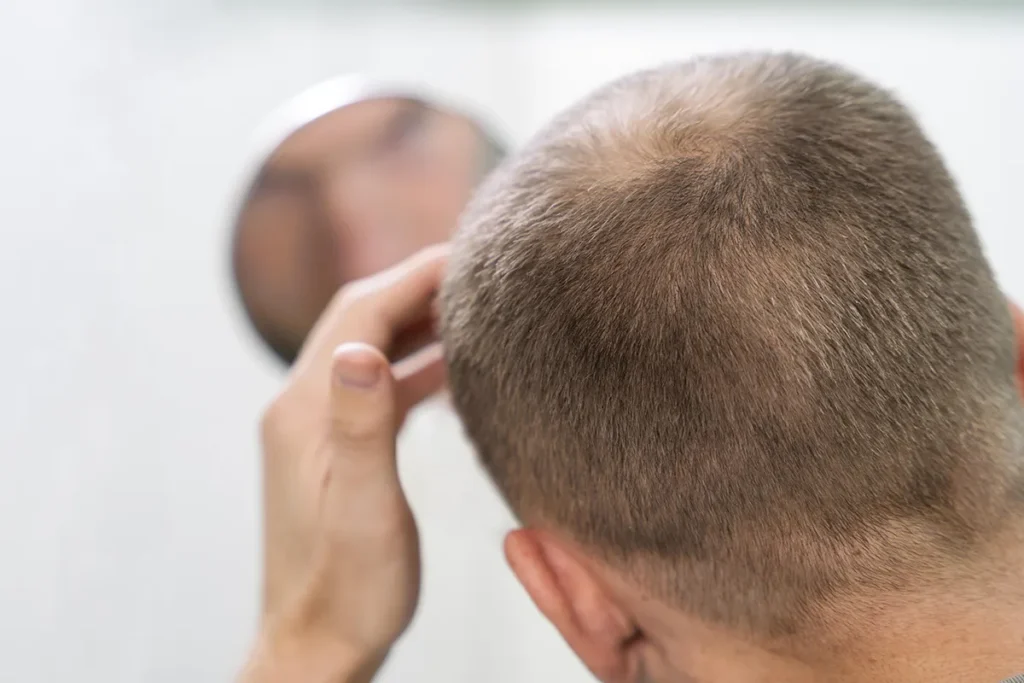
Knowing the early signs of hair loss can help you act fast. Balding happens slowly, and spotting it early is key to taking action.
Receding Hairline and Temple Changes
Men often notice their hairline receding, forming an ‘M’ shape. The temples also thin, making balding more visible.
Women might see thinning around the temples or a general thinning of hair. Watching for these signs is important.
Thinning at the Crown
The crown of the head is another area to watch. Hair loss here is common due to sensitivity to DHT, a hormone. As balding gets worse, this thinning gets more obvious.
Checking your scalp regularly can help spot thinning at the crown. Catching it early means you can act sooner.
Changes in Hair Texture and Volume
Hair texture and volume changes are also warning signs. Hair might get finer, shorter, and less colored. This makes the scalp more visible.
Seeing these changes can motivate you to find ways to improve your hair’s look and density.
Understanding balding signs is the first step to feeling confident again. Spotting these early signs lets you start addressing hair loss and finding treatments.
Early-Onset Baldness: Causes and Risk Factors
Early baldness can be upsetting, often caused by genes and hormones. Knowing why it happens is key for those losing hair young.
Genetic Predisposition and Family History
Genes play a big part in early baldness. More than 80% of male-pattern baldness comes from family history. If your parents lost hair, you might too. This can lead to androgenetic alopecia, with a receding hairline and thinning crown.
Knowing your family history is important. Acting early can lessen hair loss. Knowing your genetic risk is the first step.
Hormonal Influences on Hair Loss
Hormones also play a big role in early baldness. Dihydrotestosterone (DHT) makes hair follicles shrink, causing thinner hair. How sensitive you are to DHT can affect your hair loss risk.
Hormonal imbalances can trigger hair loss.
Sensitivity to DHT is a key factor in balding.
Hormonal influences can be managed with appropriate treatment.
Premature Balding in Teenagers
Teenagers losing hair early is a worry, often due to genes and hormones. Signs of balding at 15 or younger need attention. Early spotting can lead to better management. Teens losing hair should see a doctor to find the cause and get help.
Understanding hair loss is the first step to feeling better. With today’s treatments, people can regain their hair and confidence.
Conclusion: Next Steps If You’re Noticing Hair Loss
Seeing the early signs of balding can be a big moment. It’s the first step to dealing with hair loss. If you’re wondering if you’re going bald, knowing the signs is key.
Seeing a hair specialist or dermatologist is a good next step. They can give you advice and treatments that fit your hair needs. With new tech and expert care, you can feel confident again and get the hair you want.
Knowing the signs of balding and getting help from experts can really help. By acting early, you can fight hair loss and get the hair you’ve always wanted. With the right help and modern methods, you can have a smooth and lasting hair growth journey.
SSS
How do I know if I’m going bald
Aramak için gradual thinning, receding hairline, or widening part rather than temporary shedding
What are the early signs of balding
Receding temples, thinning at the crown, more scalp visibility, and increased hair shedding
What is the difference between male and female pattern baldness
Male Pattern Baldness shows receding hairline and crown loss, while Female Pattern Baldness causes diffuse thinning with preserved hairline
Can I prevent balding if I have a family history
You may not fully prevent it, but early treatment and proper care can slow progression
What causes premature balding in teenagers
Genetics, hormonal changes, stress, poor nutrition, and conditions like Telogen Effluvium
Are there effective treatments for hair loss
Yes, options include medications like minoxidil and finasteride, PRP therapy, and hair transplants
How can I tell if my hair loss is normal or a sign of balding
Normal shedding is 50–100 hairs daily, while balding shows patterned thinning and slow regrowth
What is the best way to address early-onset baldness
Start early treatment, improve diet, reduce stress, and consult a specialist for personalized care
Referanslar
Ulusal Biyoteknoloji Bilgi Merkezi. Kanıta Dayalı Tıbbi Öngörü. Erişim adresi https://pubmed.ncbi.nlm.nih.gov/27891421/