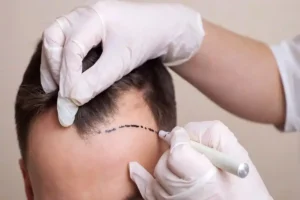
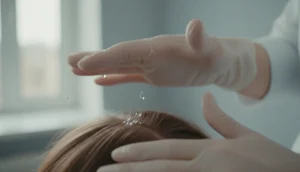
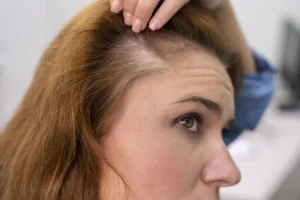
When it comes to addressing hair loss, understanding the range of hair restoration techniques available is essential for making an informed decision. From advanced follicular unit extraction (FUE) to the precision of direct hair implantation (DHI), modern solutions offer realistic results with minimal downtime. In this guide, we explore the science behind each method, compare their benefits, and outline what patients can expect before, during, and after treatment. Whether you are dealing with male pattern baldness, thinning patches, or seeking eyebrow and beard transplants, the right technique can dramatically improve self‑confidence and overall appearance.
According to recent studies, over 40 % of men experience noticeable hair loss by the age of 35, and many turn to professional hair transplant procedures as a reliable solution. By demystifying the process and highlighting key considerations, this article aims to empower you with the knowledge needed to choose the most suitable approach for your unique situation.
Read on to discover how each technique works, how to prepare for your appointment, and why Gold City Hair stands out as a trusted partner in your hair restoration journey.
How Modern Hair Restoration Techniques Work
Contemporary hair restoration techniques rely on extracting healthy follicles from a donor area—typically the back or sides of the scalp—and re‑implanting them into thinning or balding zones. The two most popular methods, FUE and DHI, differ primarily in the way follicles are harvested and placed.
Foliküler Ünite Ekstraksiyonu (FUE)
FUE involves using a micro‑punch tool, usually 0.8 mm to 1.0 mm in diameter, to individually remove follicular units. This method leaves tiny, dot‑like scars that are virtually invisible after healing. Because each graft is harvested separately, the surgeon can precisely select the healthiest follicles, resulting in higher survival rates.
Direct Hair Implantation (DHI)
DHI builds on the FUE foundation but adds a specialized implanter pen that allows the surgeon to load each graft and immediately place it without creating pre‑made incisions. This reduces handling time, improves graft orientation, and often leads to faster recovery.
- Minimally invasive with no linear scar
- High graft survival (up to 95 % in skilled hands)
- Shorter postoperative downtime
- Suitable for both scalp and facial hair restoration

Comparing FUE, DHI, and FUT: Which Method Suits You?
While FUE and DHI dominate the market, some patients still consider follicular unit transplantation (FUT), also known as the strip method. Understanding the differences helps you align the technique with your lifestyle, budget, and aesthetic goals.
| Technique | Scarring | Recovery Time | Ideal Candidates | Typical Session Duration |
|---|---|---|---|---|
| FUE | Dot‑like scars, virtually invisible | 7‑10 days for mild redness | Patients seeking minimal scarring | 6‑8 hours (depends on graft count) |
| DHI | Dot‑like scars, often less noticeable | 5‑9 days, faster due to reduced handling | Those wanting precise graft placement | 5‑7 hours, slightly shorter than FUE |
| FUT (Strip) | Linear scar behind the ear | 10‑14 days, more postoperative discomfort | Patients needing large graft numbers | 4‑6 hours, efficient for high volume |
When evaluating hair loss treatment options, consider factors such as the density you desire, your tolerance for scarring, and the total number of grafts required. For most individuals with moderate to extensive thinning, FUE offers a balanced blend of safety and aesthetic outcome, while DHI provides an extra level of precision for those who prioritize exact hairline design.
Beyond the Scalp: Eyebrow and Beard Transplant Options
Hair restoration is not limited to the scalp. Many patients seek to enhance facial features, especially eyebrows and beards, using the same hair restoration techniques that have proven effective for scalp hair. These procedures follow the same principles of follicular unit extraction and precise implantation, but they require a different artistic approach.
Eyebrow Transplant
Eyebrow restoration typically uses a single‑blade or micro‑punch tool to harvest fine hairs that mimic natural brow texture. The surgeon creates ultra‑fine incisions that follow the natural growth direction, achieving a soft, natural look.
Beard and Mustache Transplant
For facial hair, thicker follicles are selected from the donor area to match the density and curl of a typical beard. The DHI implanter pen is often preferred because it allows for meticulous control over angle and depth, essential for a seamless blend with existing facial hair.
- Customizable shape and density
- Long‑lasting results (up to 8‑10 years)
- Minimal downtime – usually 3‑5 days
- Ideal for scar revision, alopecia areata, or aesthetic enhancement
These facial hair solutions are increasingly popular as part of a comprehensive hair loss therapy plan, offering patients a holistic approach to restoring confidence across the entire head and face.
Preparing for a Hair Restoration Procedure: What to Expect
Successful outcomes begin long before the surgeon picks up the first graft. Proper preparation ensures that the body is ready for the procedure and that the transplanted follicles have the best chance of thriving.
Pre‑Consultation Checklist
- Medical history review – disclose any chronic illnesses, medications, or previous surgeries.
- Scalp analysis – the surgeon assesses hair density, donor area quality, and pattern of loss.
- Photography – standardized photos help track progress over time.
- Lifestyle adjustments – avoid smoking, limit alcohol, and discuss any recent hair‑loss medications.
Day‑Of‑Surgery Guidelines
On the day of the operation, patients are usually instructed to arrive with a clean, medication‑free scalp. Local anesthesia is administered, and the entire session can last anywhere from 4 to 10 hours, depending on the number of grafts.
For those opting for the DHI method, the implanter pen reduces the need for pre‑made recipient sites, which can shorten the overall procedure time and enhance graft survival.
Post‑Procedure Care and Long‑Term Results
After the grafts are placed, diligent after‑care is crucial for maximizing the success of any hair restoration technique. Patients typically experience mild redness and scabbing for the first few days, which resolves with proper hygiene.
Immediate After‑Care
- Gentle washing with prescribed shampoo after 48 hours
- Avoid direct sun exposure and high‑heat styling for two weeks
- Take prescribed antibiotics or anti‑inflammatories as directed
- Sleep with the head elevated for the first night
Long‑Term Growth Timeline
New hair usually begins to shed within 2‑3 weeks—a normal part of the “shock loss” phase. New growth typically becomes visible around the 3‑month mark, with full density developing between 12‑18 months. Consistent follow‑up appointments allow the clinic to monitor progress and address any concerns.
Patients who maintain a healthy lifestyle, avoid harsh chemicals, and follow the surgeon’s recommendations often experience lasting results that can endure for a decade or more. Combining the procedure with proven hair regrowth treatments, such as PRP or topical minoxidil, can further enhance the outcome.
Why Choose Gold City Hair
Gold City Hair has been delivering safe, personalized hair restoration techniques in Turkey since 2017. Our team combines extensive experience with state‑of‑the‑art facilities, ensuring each patient receives a tailored plan that addresses their unique pattern of loss. Transparent communication, rigorous pre‑operative screening, and a commitment to natural‑looking results set us apart as a trusted partner on the journey to renewed confidence.
Ready to take the next step toward a fuller, natural‑looking head of hair? Contact Gold City Hair today to schedule your personalized consultation and discover which hair restoration technique is right for you.
Experience the confidence that comes with expertly restored hair—book your appointment now.
SSS
What is the difference between FUE and DHI hair transplant methods?
FUE extracts follicles with a micro‑punch and creates tiny dot scars, while DHI uses an implanter pen to place grafts directly without pre‑made incisions.
Is FUT (strip method) still used and who is it best for?
Yes, FUT is used for patients needing a large number of grafts, offering faster surgery but leaving a linear scar.
Can hair restoration techniques be used for eyebrows and beards?
Yes, the same FUE and DHI methods can transplant hair to eyebrows and beards with customized techniques.
What should I do to prepare for a hair transplant appointment?
Complete a medical history review, scalp analysis, photography, and avoid smoking and alcohol before surgery.
What is the typical timeline for hair growth after a transplant?
Shedding starts at 2‑3 weeks, new growth appears around 3 months, and full density develops by 12‑18 months.
Why should I choose Gold City Hair for my hair restoration?
Gold City Hair offers safe, personalized procedures in Turkey with experienced surgeons and state‑of‑the‑art facilities.