Seeing strands on your pillow or noticing a wider part in the mirror can be unsettling, especially when you’re only 20 years old. The question “why is my hair thinning at 20
Why Is My Hair Thinning at 20? Understanding Early Adult Hair Loss
Many young adults wonder why is my hair thinning at 20 and feel uneasy about the sudden change in their appearance. Hair loss is not exclusive to older men; it can begin in the early twenties, often catching people off guard. According to recent dermatology surveys, nearly 15% of men and 8% of women notice noticeable thinning before the age of 25. This article explores the most common causes, early warning signs, lifestyle influences, medical conditions, and the range of treatment options—including advanced transplant techniques offered by Gold City Hair.
We’ll break down the science behind hair thinning in your early adult years, help you identify whether it’s a temporary issue or a sign of a deeper problem, and provide practical steps you can take right now. Whether you’re dealing with a receding hairline, diffuse thinning, or patchy loss, understanding the root cause is the first step toward an effective solution.
Read on to learn what you can do to preserve your hair, when to seek professional advice, and how modern hair restoration methods can restore both density and confidence.
Common Causes of Hair Thinning in Your Early 20s
Hair loss at a young age is often multifactorial. While genetics play a major role, several other factors can accelerate the process.
- Androgenetic alopecia (commonly known as male or female pattern baldness) – driven by the hormone DHT.
- Alopecia areata – an autoimmune condition causing round patches of hair loss.
- Traction alopecia – chronic tension from tight hairstyles.
- Stress‑induced telogen effluvium – sudden shedding after physical or emotional stress.
- Nutritional deficiencies – low iron, zinc, or vitamin D.
- Hormonal fluctuations – especially in women during menstrual cycles or PCOS.
Understanding which of these factors applies to you can guide the appropriate treatment pathway.

Recognizing Early Signs and When to Seek Help
Spotting hair loss early can make a huge difference in treatment outcomes. Below are the most reliable indicators that it’s time to consult a specialist.
- Gradual recession of the hairline, especially at the temples.
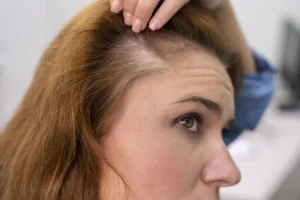
- Noticeable thinning on the crown or top of the head.
- Increased shedding when washing or brushing hair.
- Patchy bald spots that appear suddenly.
- Scalp itching, redness, or inflammation.
If you observe any two or more of these signs for more than three months, scheduling an evaluation with a hair restoration clinic is advisable. Early intervention can halt progression and improve the success rate of treatments such as FUE or DHI transplants.
Lifestyle and Nutritional Factors That Influence Hair Health
Daily habits can either support or sabotage hair growth. A balanced diet and stress management are essential components of a healthy hair cycle.
| Nutrient | Key Food Sources | Role in Hair Health |
|---|---|---|
| Iron | Red meat, spinach, lentils | Helps deliver oxygen to hair follicles |
| Zinc | Oysters, pumpkin seeds, chickpeas | Supports cell renewal and hormone balance |
| D Vitamini | Sunlight exposure, fortified milk, fatty fish | Regulates hair follicle cycling |
| Biotin (Vitamin B7) | Egg yolks, almonds, sweet potatoes | Strengthens keratin structure |
In addition to nutrition, regular exercise improves circulation to the scalp, while adequate sleep reduces stress‑induced telogen effluvium. Limiting harsh hair treatments—such as frequent bleaching or high‑heat styling—also preserves hair integrity.
Medical Conditions and Hormonal Changes Impacting Hair
Beyond lifestyle, several medical issues can trigger early hair thinning. Identifying an underlying condition is crucial for targeted therapy.
- Thyroid disorders – both hypothyroidism and hyperthyroidism can cause diffuse shedding.
- Polycystic ovary syndrome (PCOS) – hormonal imbalance leading to androgenic alopecia in women.
- Autoimmune diseases – such as lupus, which can affect the scalp.
- Scalp infections – fungal or bacterial infections that damage follicles.
- Medications – certain antidepressants, anticoagulants, and retinoids.
A comprehensive blood panel and hormonal profile can pinpoint these issues. Treating the root medical problem often restores hair growth without the need for surgical intervention.
Treatment Options: From Medication to Hair Transplant
When the cause is identified, a range of treatments can be considered. Below is a comparison of the most common approaches.
| Treatment | How It Works | Typical Results | Considerations |
|---|---|---|---|
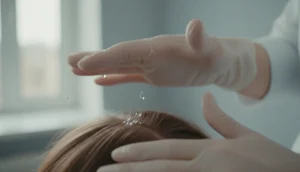
| Topical minoxidil | Vasodilator that prolongs the growth phase | Modest regrowth, best for early thinning | Requires daily application, may cause scalp irritation |
| Oral finasteride | DHT blocker that slows follicle miniaturization | Significant density increase in men | Potential sexual side effects, prescription needed |
| Platelet‑rich plasma (PRP) | Injects growth factors to stimulate follicles | Improves thickness in some patients | Multiple sessions, variable outcomes |
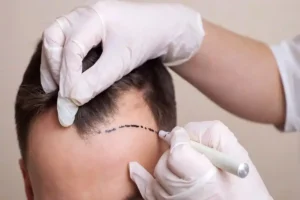
| FUE or DHI hair transplant | Transplants individual follicular units from donor area | Permanent, natural‑looking results | Costly, requires surgical expertise |
For those asking “why is my hair thinning at 20”, a combination of medical therapy and minimally invasive procedures often yields the best outcome. Early use of minoxidil or finasteride can preserve existing hair, while a well‑planned transplant restores lost density.
Preventive Measures and Long‑Term Hair Care Strategies
Maintaining hair health after treatment is essential to avoid recurrence. Incorporate these habits into your routine for lasting results.
- Use gentle, sulfate‑free shampoos and avoid excessive heat styling.
- Protect your scalp from UV damage with hats or sunscreen sprays.
- Schedule regular follow‑up appointments to monitor progress.
- Continue a balanced diet rich in iron, zinc, and vitamin D.
- Manage stress through meditation, yoga, or regular exercise.
Adopting a proactive approach helps keep your hair follicles healthy and maximizes the longevity of any restorative procedure you may undergo.
Why Choose Gold City Hair
Gold City Hair has been delivering personalized hair restoration solutions since 2017. Our clinic specializes in advanced techniques such as FUE and DHI, ensuring natural‑looking density with minimal downtime. With a dedicated team of experienced surgeons and a commitment to transparent communication, we tailor each treatment plan to the individual’s unique needs, helping you regain confidence and a full head of hair.
Ready to stop wondering why your hair is thinning at 20? Contact Gold City Hair today for a personalized consultation and take the first step toward lasting confidence.
Call now or fill out our online request form to schedule your appointment.
SSS
{
“@context”: “https://schema.org”,
“@type”: “BreadcrumbList”,
“itemListElement”: [
{ “@type”: “ListItem”, “position”: 1, “name”: “Home”, “item”: “https://goldcityhair.com/” },
{ “@type”: “ListItem”, “position”: 2, “name”: “”, “item”: “https://goldcityhair.com/” },
{ “@type”: “ListItem”, “position”: 3, “name”: “Why Is My Hair Thinning at 20? Understanding Early Adult Hair Loss”, “item”: “https://goldcityhair.com/” }
]
} SSS
Why does hair start thinning at age 20?
Hair thinning at 20 can be triggered by genetics, hormonal changes, stress, nutritional gaps, or medical conditions.
What are the early signs that I should look for?
Look for a receding hairline, thinning crown, increased shedding, patchy bald spots, and scalp irritation.
Can diet really affect hair thinning in my twenties?
Yes, a balanced diet rich in iron, zinc, vitamin D, and biotin supports healthy hair growth.
What treatment options are available for a 20‑year‑old with thinning hair?
Options include topical minoxidil, oral finasteride, PRP therapy, and hair transplant techniques like FUE or DHI.
How can I prevent further hair loss after treatment?
Maintain a gentle hair‑care routine, protect your scalp from UV, eat nutrient‑dense foods, and manage stress.
What causes hair thinning at 20?
Hair thinning at 20 is commonly caused by genetics, stress, nutritional deficiencies, hormonal imbalances, or underlying medical conditions affecting the scalp or body.
Is it normal to experience hair loss in your early 20s?
Yes, early hair thinning is more common than expected and can affect both men and women due to genetic or lifestyle-related factors.
Can stress lead to hair thinning at a young age?
Yes, stress can trigger temporary hair shedding known as telogen effluvium, which usually improves once stress levels are managed.
How can I tell if my hair loss is temporary or permanent?
Gradual thinning and a receding hairline often indicate genetic hair loss, while sudden or patchy shedding may be temporary or linked to health issues.
What treatments are available for hair thinning at 20?
Treatment options include topical solutions like minoxidil, medications such as finasteride (for men), PRP therapy, and advanced procedures like FUE or DHI hair transplants.
Can hair thinning be reversed at a young age?
In many cases, yes. If caught early and the hair follicles are still active, proper treatment and lifestyle changes can help restore hair growth.