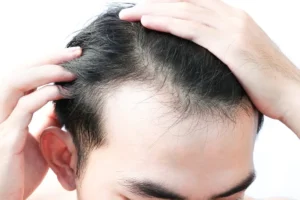
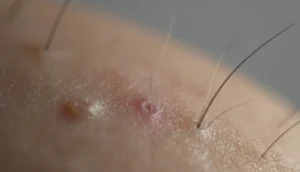
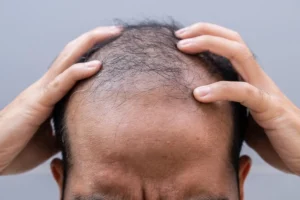
Many people wonder whether can losing hair be a sign of cancer and if sudden thinning should trigger immediate concern. Hair loss is a common issue that can stem from genetics, stress, hormonal changes, or medical conditions—including, in rare cases, cancer. Understanding the underlying causes helps you respond appropriately and seek timely medical advice.
In this article we explore the medical relationship between hair loss and cancer, identify red‑flag symptoms that merit professional evaluation, and outline the diagnostic tools doctors use to differentiate benign alopecia from cancer‑related hair changes. Whether you are experiencing patchy bald spots, diffuse thinning, or unexplained shedding, the information below will guide you toward informed decisions about your health.
According to recent dermatology surveys, roughly 15 % of patients who notice rapid hair loss report an underlying systemic condition, highlighting the importance of a thorough assessment. By the end of this guide you will know when hair loss is likely harmless, when it could signal something more serious, and what steps you can take to protect both your scalp health and overall well‑being.
Understanding the Connection Between Hair Loss and Cancer
Hair follicles are highly sensitive to changes in the body’s hormonal and immune environment. Certain cancers, especially those that affect the endocrine system or cause severe malnutrition, can disrupt the normal hair growth cycle, leading to diffuse thinning or patchy loss. While most hair loss cases are unrelated to malignancy, a few mechanisms link the two:
- Paraneoplastic alopecia – an autoimmune response triggered by cancer cells that mistakenly attacks hair follicles.
- Direct infiltration of the scalp by malignant cells, which can physically destroy hair follicles.
- Side effects of chemotherapy, radiation, or targeted therapies that damage rapidly dividing cells, including those in the hair matrix.
It is essential to differentiate between these cancer‑related patterns and more common forms of alopecia such as androgenetic alopecia, alopecia areata, or telogen effluvium. The latter typically present with predictable patterns—receding hairline, vertex balding, or round bald patches—while cancer‑associated loss may be sudden, widespread, and accompanied by systemic symptoms like unexplained weight loss, fatigue, or persistent fevers.
Although the phrase can losing hair be a sign of cancer raises valid concerns, the probability remains low. Nonetheless, recognizing atypical hair loss patterns can prompt earlier medical investigation, potentially catching a serious condition at a more treatable stage.

Medical Conditions That Can Cause Hair Loss Similar to Cancer Symptoms
Several non‑cancerous disorders mimic the alarming hair loss that sometimes raises the question “can losing hair be a sign of cancer?” Understanding these conditions helps avoid unnecessary alarm while ensuring serious issues aren’t overlooked.
| Condition | Typical Hair Loss Pattern | Key Associated Symptoms |
|---|---|---|
| Alopesi Areata | Round, smooth bald patches | Autoimmune markers, nail pitting |
| Telogen Effluvium | Diffuse shedding across scalp | Recent stress, illness, or medication change |
| Hipotiroidizm | Thinning hair, especially on the outer edges | Fatigue, weight gain, cold intolerance |
| Systemic Lupus Erythematosus | Patchy or diffuse loss, often with scalp lesions | Joint pain, facial rash, fatigue |
While these ailments are not cancer, they can produce rapid or extensive hair loss that feels alarming. For instance, telogen effluvium often follows a high fever or major surgery, both of which can also be present in cancer patients, creating diagnostic overlap.
Other factors such as severe iron deficiency, chronic infections, and certain medications (e.g., anticoagulants, retinoids) can also lead to significant shedding. Recognizing accompanying systemic signs—like persistent night sweats, unexplained bruising, or changes in lymph node size—helps clinicians decide whether further oncologic work‑up is necessary.
When to Seek Medical Evaluation for Sudden Hair Loss
Not every strand that falls out signals a life‑threatening condition, but certain red flags should prompt a prompt visit to a healthcare professional. Below are scenarios where the answer to “can losing hair be a sign of cancer” leans toward a more serious investigation.
- Rapid onset – Losing more than 100 hairs per day for several consecutive days without a clear trigger.
- Accompanying systemic symptoms – Unexplained weight loss, persistent fever, night sweats, or fatigue.
- Visible scalp abnormalities – Ulcers, nodules, or discoloration on the scalp.
- Family history of cancer – Especially hematologic cancers that can affect hair follicles.
- Recent exposure to known carcinogens – Occupational chemicals, radiation, or certain chemotherapy agents.
When any of these signs appear, a dermatologist or primary care physician will typically begin with a detailed medical history and physical examination. Blood tests to assess thyroid function, iron levels, and inflammatory markers are common first steps. If results suggest an abnormal systemic process, the clinician may refer you to an oncologist for further evaluation.
Early detection is crucial. Even if the eventual diagnosis is a benign condition, ruling out cancer promptly reduces anxiety and allows for faster initiation of appropriate hair‑restoring treatments, whether medical or surgical.
Diagnostic Tests That Help Differentiate Cancer‑Related Hair Loss
When clinicians suspect that hair loss could be linked to an underlying malignancy, a series of diagnostic tools are employed to clarify the cause. The goal is to distinguish paraneoplastic alopecia or direct tumor infiltration from more common alopecias.
- Scalp Biopsy – A small tissue sample examined under a microscope can reveal inflammatory patterns, tumor cells, or fibrosis indicative of cancer.
- Blood Panel – Includes complete blood count (CBC), lactate dehydrogenase (LDH), and tumor markers (e.g., CEA, CA‑125) to detect systemic abnormalities.
- Imaging Studies – MRI or CT scans of the head may identify masses invading the scalp or lymphadenopathy.
- Hormone and Autoimmune Panels – Assess for thyroid dysfunction, antinuclear antibodies, and other markers that could explain alopecia without cancer.
Results from these tests guide the next steps. A normal biopsy combined with unremarkable blood work usually points toward non‑malignant alopecia, while detection of malignant cells or suspicious imaging findings triggers oncologic referral.
It is worth noting that many cancer patients experience hair loss as a side effect of treatment rather than a symptom of the disease itself. In such cases, the hair loss is expected, and physicians can discuss protective measures like scalp cooling caps or gentle hair care routines.
Managing Hair Loss While Undergoing Cancer Treatment
If you are undergoing chemotherapy, radiation, or targeted therapy, hair loss is a common and often temporary side effect. While the question “can losing hair be a sign of cancer” may have prompted your initial concern, managing treatment‑related alopecia is a separate challenge that many patients face.
- Scalp Cooling – Devices that lower scalp temperature during chemotherapy can reduce the amount of drug reaching hair follicles, decreasing shedding.
- Gentle Hair Care – Use sulfate‑free shampoos, avoid heat styling, and limit chemical treatments to protect fragile strands.
- Wigs and Headwear – High‑quality wigs, scarves, or hats provide confidence and comfort during the shedding phase.
- Nutritional Support – Adequate protein, vitamins (especially biotin, vitamin D), and minerals support regrowth once treatment ends.
Post‑treatment, many patients consider permanent solutions such as hair transplantation. Modern techniques like Follicular Unit Extraction (FUE) and Direct Hair Implantation (DHI) can restore natural‑looking density once the scalp has fully recovered. Consulting a specialist ensures you choose the right timing and method for optimal results.
Remember, while hair loss can be distressing, it does not define your health journey. Open communication with your oncology team, combined with supportive care measures, helps you maintain both physical and emotional well‑being throughout treatment.
Why Choose Gold City Hair
At Gold City Saç we combine cutting‑edge FUE and DHI techniques with a personalized, transparent approach. Since 2017, our Turkish clinic has helped thousands regain confidence through natural‑looking hair restoration. Our experienced surgeons tailor each plan to your unique scalp anatomy, ensuring minimal downtime and lasting results. With a focus on patient education and ethical care, Gold City Hair stands as a trusted partner for those seeking reliable solutions to hair loss.
Ready to take the next step toward a fuller, healthier head of hair? Contact Gold City Hair today for a free, no‑obligation consultation and discover how our expert team can restore your confidence.
SSS
Can hair loss be an early sign of cancer?
Rarely, but certain patterns of sudden, unexplained hair loss can indicate an underlying malignancy.
What types of cancer are linked to hair loss?
Cancers affecting the endocrine system, hematologic malignancies, and those causing severe malnutrition can lead to hair loss.
How do doctors differentiate cancer‑related hair loss from other alopecia?
Through clinical history, physical exam, blood work, scalp biopsy, and imaging when needed.
What red‑flag symptoms should prompt a medical evaluation for sudden hair loss?
Rapid shedding, systemic signs like weight loss or fever, scalp abnormalities, and a family cancer history.
What diagnostic tests are used to investigate hair loss suspected of being cancer‑related?
Scalp biopsy, comprehensive blood panel, imaging (MRI/CT), and hormone/autoimmune panels.
How can hair loss be managed during chemotherapy?
Scalp cooling, gentle hair care, wigs or headwear, and nutritional support are key strategies.